AI and Trust: The Future of Invisible Transactions
Careers
Banking & FinTech Jobs, curated daily
Open roles across banks, NBFCs, and fintechs - filter by category, experience, and salary.
2 Minute Summary
As AI technologies transform payment systems, the very way we conduct transactions is evolving. AI is making payments increasingly invisible, shifting us into a world where trust and real-time controls become crucial. This shift promises personalized experiences while heightening focus on safety and managing fraud, thus redefining our financial landscape.
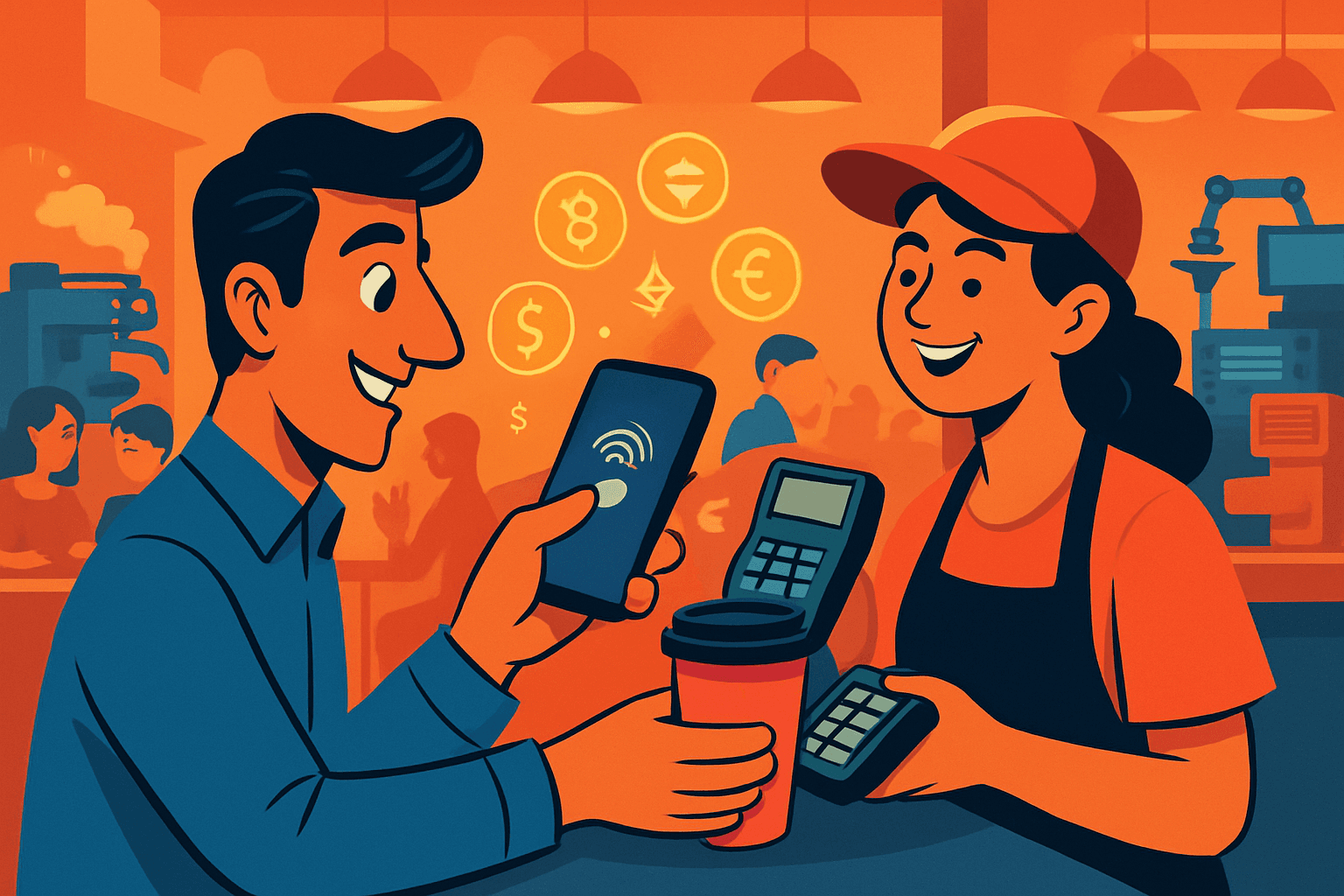
In the fast-evolving world of finance, artificial intelligence (AI) is not just the latest buzzword; it’s a game-changer. As the Economic Times recently pointed out, AI is on the brink of making payments invisible—what does that even mean? Well, imagine paying for your morning coffee without fumbling for cash or cards, as your smart assistant seamlessly handles the transaction for you. Welcome to the future of delegated commerce, where machines take on money matters, allowing us to focus on the fun parts of spending, like enjoying that caffeine fix!
While this might sound like a scene out of a futuristic movie, it highlights a significant shift in consumer behavior. As we embrace this AI-driven convenience, the spotlight shines on trust. With machines autonomously handling our finances, the need for a trustworthy framework is paramount. Real-time controls and safeguards will become essential, ensuring that not only is your money safe, but that you also feel secure in letting AI take the wheel. After all, what’s money without trust?
Moreover, as AI enhances our payment experiences, it also gets smarter in protecting us from fraudulent transactions. Machine learning algorithms can analyze patterns at lightning speed, identifying potential fraud while we sip our coffee—talk about staying one step ahead! But with these advancements come the responsibility of establishing new guardrails; a financial system where machines interact autonomously begs the question: how do we protect ourselves when the watchful eyes are, well, machines?
As we navigate this exciting landscape, consumers will find themselves caring less about the underlying transaction rails and more about the outcome. Did the payment go through? Did I get my rewards? AI empowers us to focus on the experiences rather than the complexities behind them. If the future of money leans into trust and ease of use, then indeed, trust will become our new currency.
Why It Matters
The evolution of AI in payments redefines how we perceive transactions and brings forth a critical emphasis on trust. As financial systems become more automated and machine-driven, ensuring safety and reliability will be essential for consumer confidence.
Who Benefits
Consumers will benefit from faster, more reliable payment experiences while enjoying greater security through AI-driven fraud detection. Businesses, too, will thrive in a landscape where trust enhances operational efficiency and customer satisfaction.
Who Is Impacted
Banks and financial institutions will need to adapt to this shift by investing in technology and securing consumer trust. In a way, anyone involved in the financial ecosystem—from tech developers to everyday shoppers—will feel the impact of these changes.
Key Takeaways
- ✓AI is making payments 'invisible' and shifting to delegated commerce.
- ✓Trust and real-time controls are becoming essential for financial transactions.
- ✓Fraud detection will improve significantly with AI.
- ✓Consumers will focus on outcomes rather than transaction processes.