UPI
Everything Bank Talkies has covered in UPI.

UPI at 10: The Digital Payment Revolution That Transformed India
As the Unified Payments Interface (UPI) turns 10, it has redefined the digital payments landscape in India. From humble beginnings to billions of transactions, UPI has been nothing short of a miracle in financial technology, making money transfers as easy as sending a text.
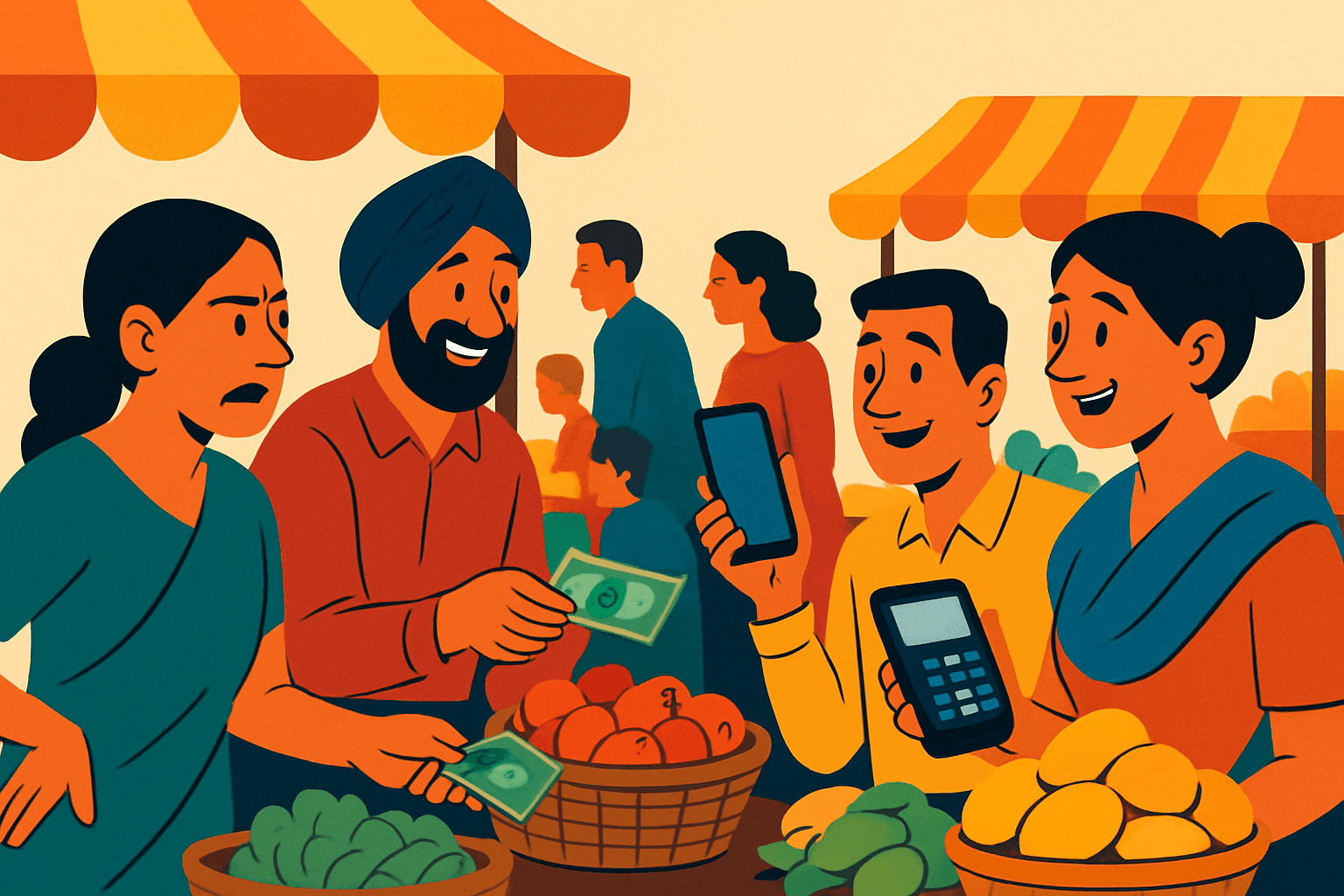
Is Cash Making a Comeback? Exploring the Recent Rise in Cash Transactions
It seems cash is trying to stage a comeback in the ongoing digital age. Recent reports indicate that while UPI transactions are gaining ground, cash use is seeing a resurgence. This could be due to concerns over potential fees associated with digital transactions, hinting at a possible shift back to good old-fashioned cash if charges come into play.
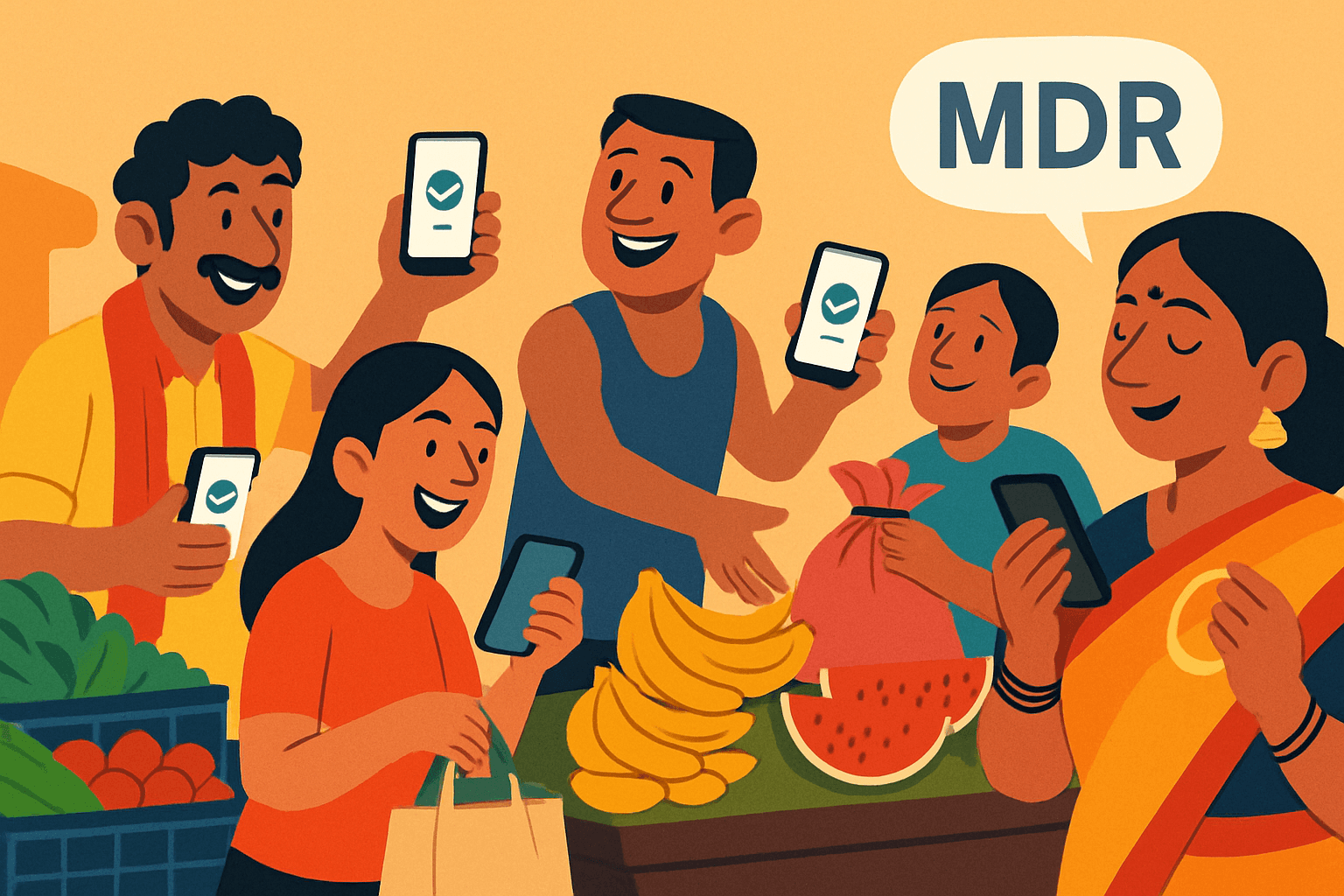
Decoding UPI MDR: Who Pays the Bill?
The Indian government has made it clear that UPI (Unified Payments Interface) will continue to be free for consumers and small merchants. However, under the new rules, a Merchant Discount Rate (MDR) may apply to select transactions that exceed a certain amount. This means while most day-to-day payments remain cost-free, larger transactions could attract fees – but don’t worry, it won’t be your average chaiwala who gets hit!
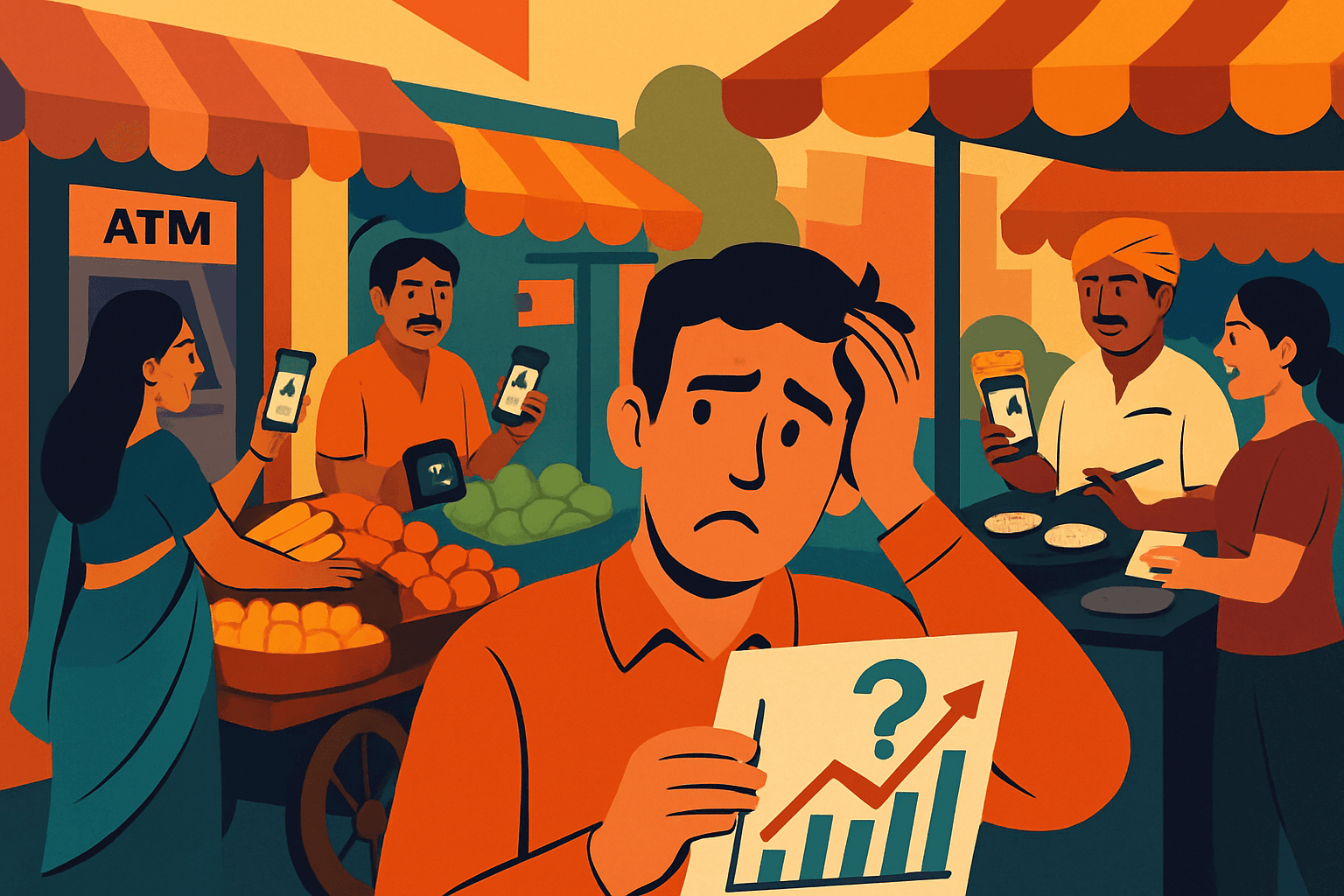
UPI Transaction Charges: Still on the Table, But Not on the Menu Yet
As discussions around UPI transaction charges heat up, Reserve Bank Governor Sanjay Malhotra says it’s too soon to make any decisions. Meanwhile, the government is looking into potential legal amendments to introduce merchant discount rates for specific UPI deals. All while the push for more UPI adoption continues!
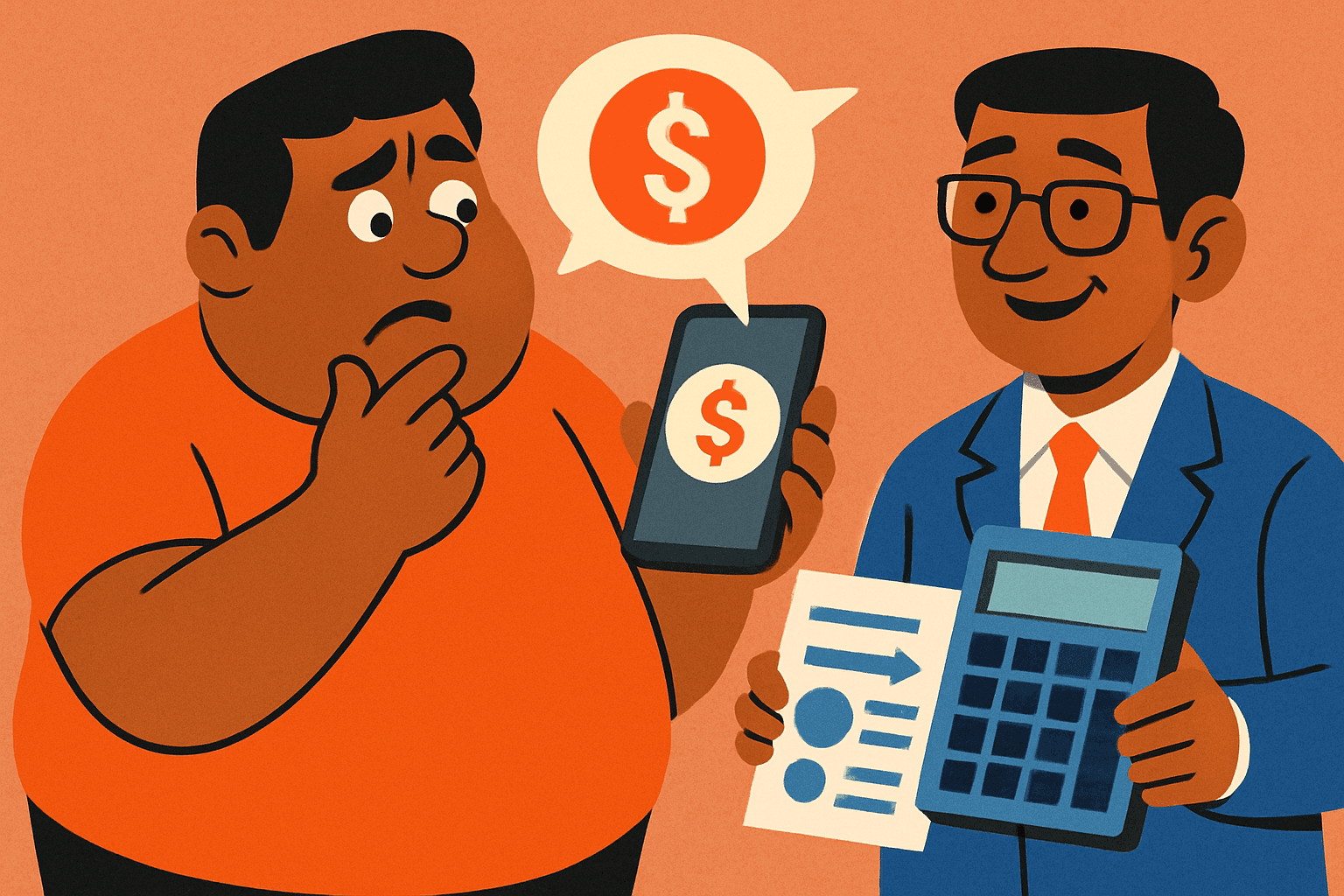
Payment Bill Rekindles Merchant Discount Rate Hopes for Large-Value UPI
The Indian government is considering amendments to the Payment and Settlement Systems Act that may see the return of Merchant Discount Rates (MDR) for large-value UPI transactions. This move aims to help banks and fintech companies recover investments in technology and infrastructure, especially for transactions over 2,000 rupees. The reintroduction could create a revenue stream for payment companies without causing significant disruption.
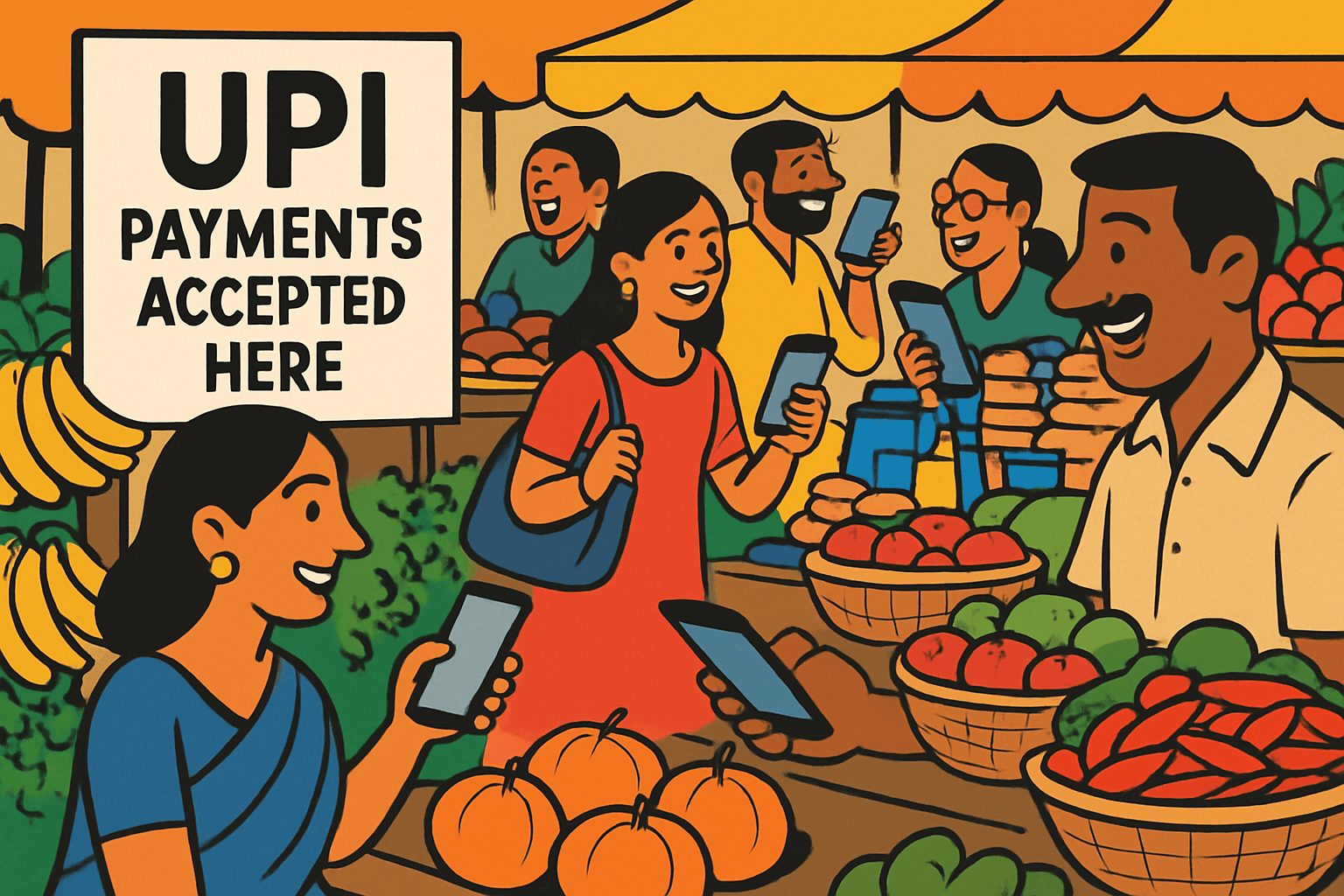
UPI Transactions Hit New High: July's Spending Spree
July saw a record number of transactions through the Unified Payments Interface (UPI) in India, with consumers flocking to the instant payment system for everything from groceries to movie tickets. As digital payments continue to gain traction, UPI's rise reflects the changing spending habits of Indian consumers, supported by new features and increasing merchant adoption. This article dives into why July was a landmark month for UPI and what it means for the future of digital payments in India.
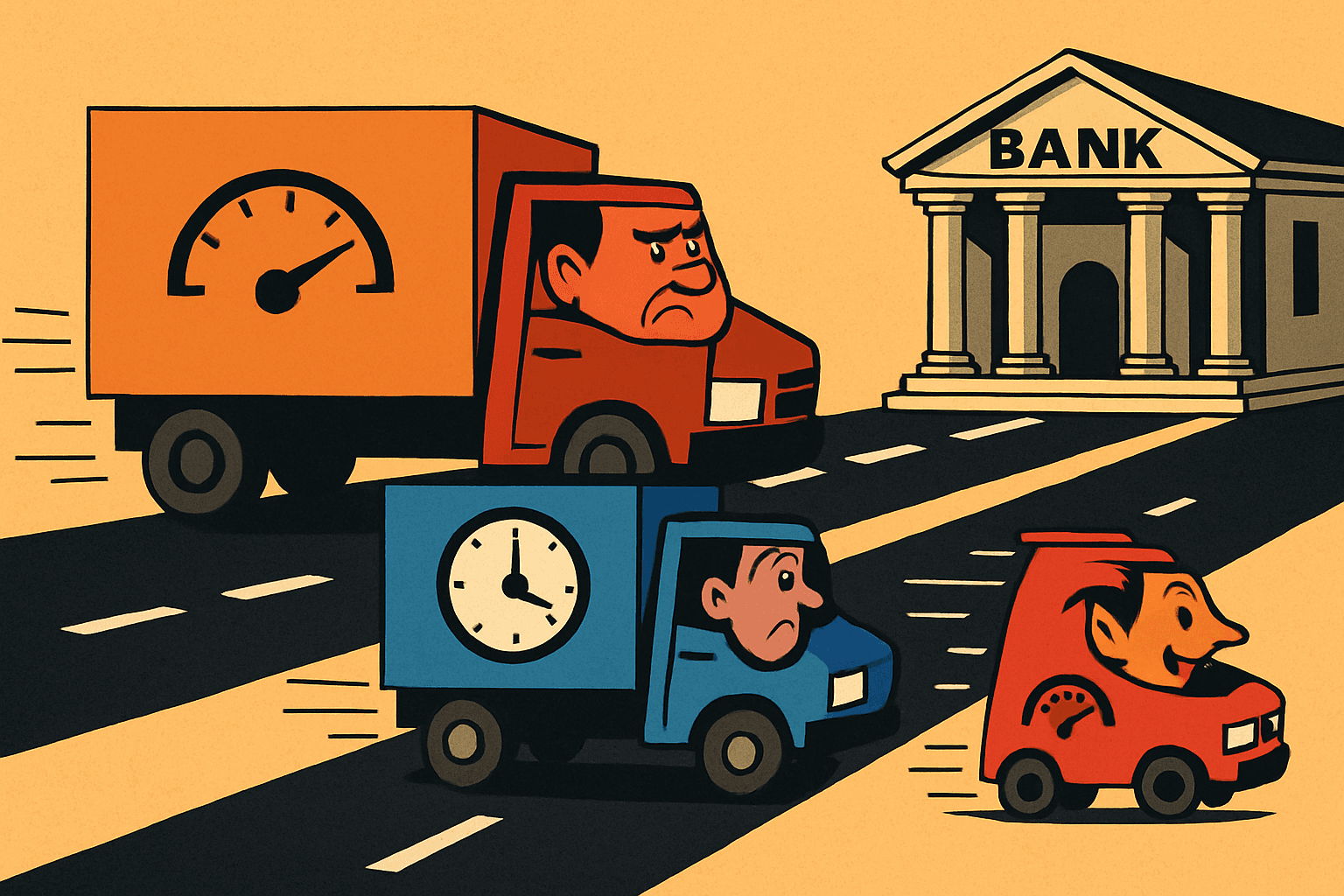
NEFT vs RTGS vs IMPS: Which One Should You Actually Use?
India has three separate bank transfer rails - NEFT, RTGS, and IMPS - each with different speed, minimum amount, and cost trade-offs, and most people default to whichever one their banking app shows first without knowing the difference.
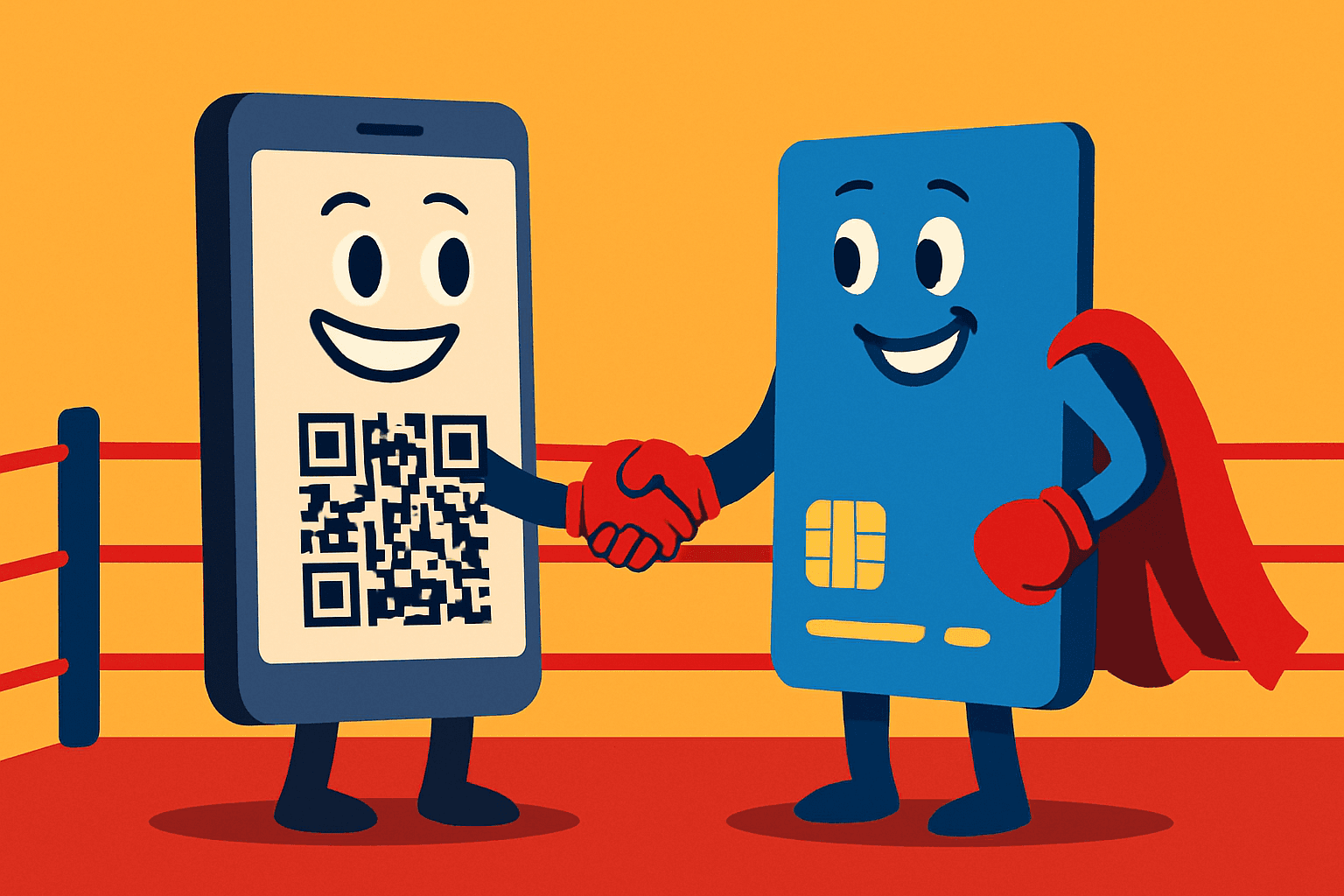
UPI vs Cards: Why India Chose a Different Path
Cards took decades to reach mass adoption worldwide because they needed expensive point-of-sale hardware and charged merchants a fee on every transaction. UPI skipped both problems, which is why it overtook cards in India in a fraction of the time.
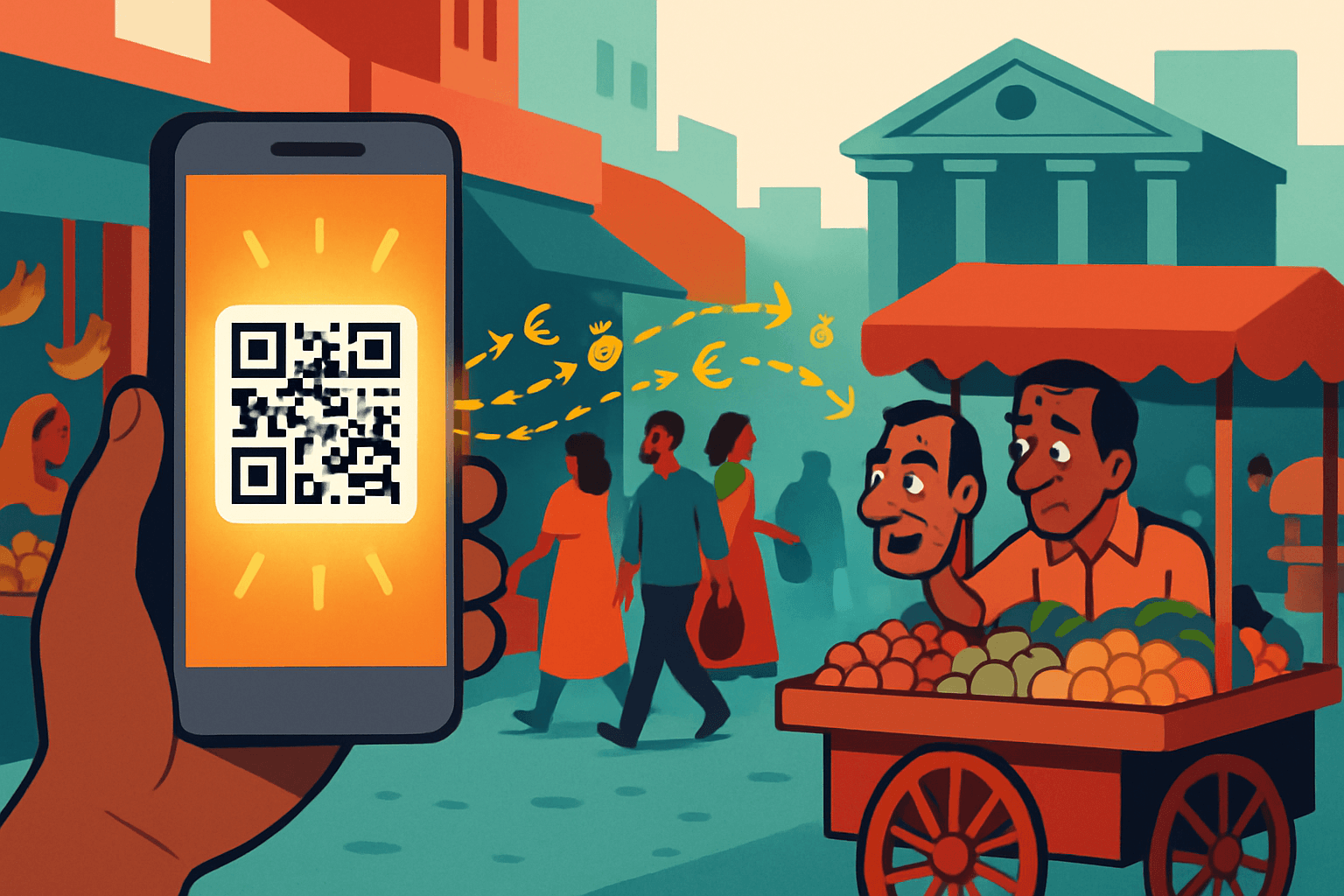
The Evolution of UPI: How India Rewired Money Movement
UPI went from a niche interbank experiment in 2016 to the backbone of India's daily payments, processing tens of billions of transactions a month and reshaping how the country moves money.