Trending Stories
The most-read Bank Talkies articles from the last 30 days.

Demystifying Taxes for Indian Freelancers Working with US IT Companies
Freelancers in India earning from US IT firms need to navigate a jungle of taxation rules, from reporting income to GST compliance. Key points include converting dollars to rupees, claiming expenses, and understanding ITR and TDS obligations, all while being mindful of the tax treaty between India and the US.

Why Chasing Global Returns Might Not Be Worth It for Indian Investors
A new study shows that while India may seem to lag behind other global markets in the short term, its long-term equity performance has much to offer. Investors should rethink chasing quick gains abroad, as past data reveals significant shifts in market rankings over time.

Banking Leaders on the Hot Seat: Shaping Reforms for Viksit Bharat 2047
The Indian government is set to form a high-powered committee to steer banking reforms aimed at achieving a 'Viksit Bharat' by 2047. Finance Minister Nirmala Sitharaman highlighted that with non-performing assets (NPAs) at a historic low, now is the time for banks to embrace change. Stakeholders are encouraged to contribute ideas that will shape the future of the banking sector in India.

ITAT Delhi Orders ₹5.31 Lakh TDS Refund: No Original ITR? No Problem!
In a recent ruling, the ITAT Delhi paved the way for a ₹5.31 lakh tax refund despite the absence of an original Income Tax Return (ITR). The tribunal stated that taxpayers shouldn’t be penalized for not presenting an original ITR, especially when a return was filed in response to a Section 148 notice. This decision emphasizes the importance of taxpayer rights during assessment processes.

Double the Trouble: Rising Vehicle Loans Signal Risks for Lenders
A growing number of vehicle buyers are opting for multiple loans, coupled with increased average loan sizes, heightening credit risks for lenders. Most pronounced in commercial vehicle finance, the percentage of borrowers with multiple loans has jumped in just a year.

RBI Reports Rising House Prices: What’s Driving the Surge?
The Reserve Bank of India has released the House Price Index for Q1:2026-27, revealing a 1.1% increase in property prices across major cities. The uptick was particularly noticeable in Chandigarh, Lucknow, and Thiruvananthapuram, indicating an ongoing demand in the real estate market.
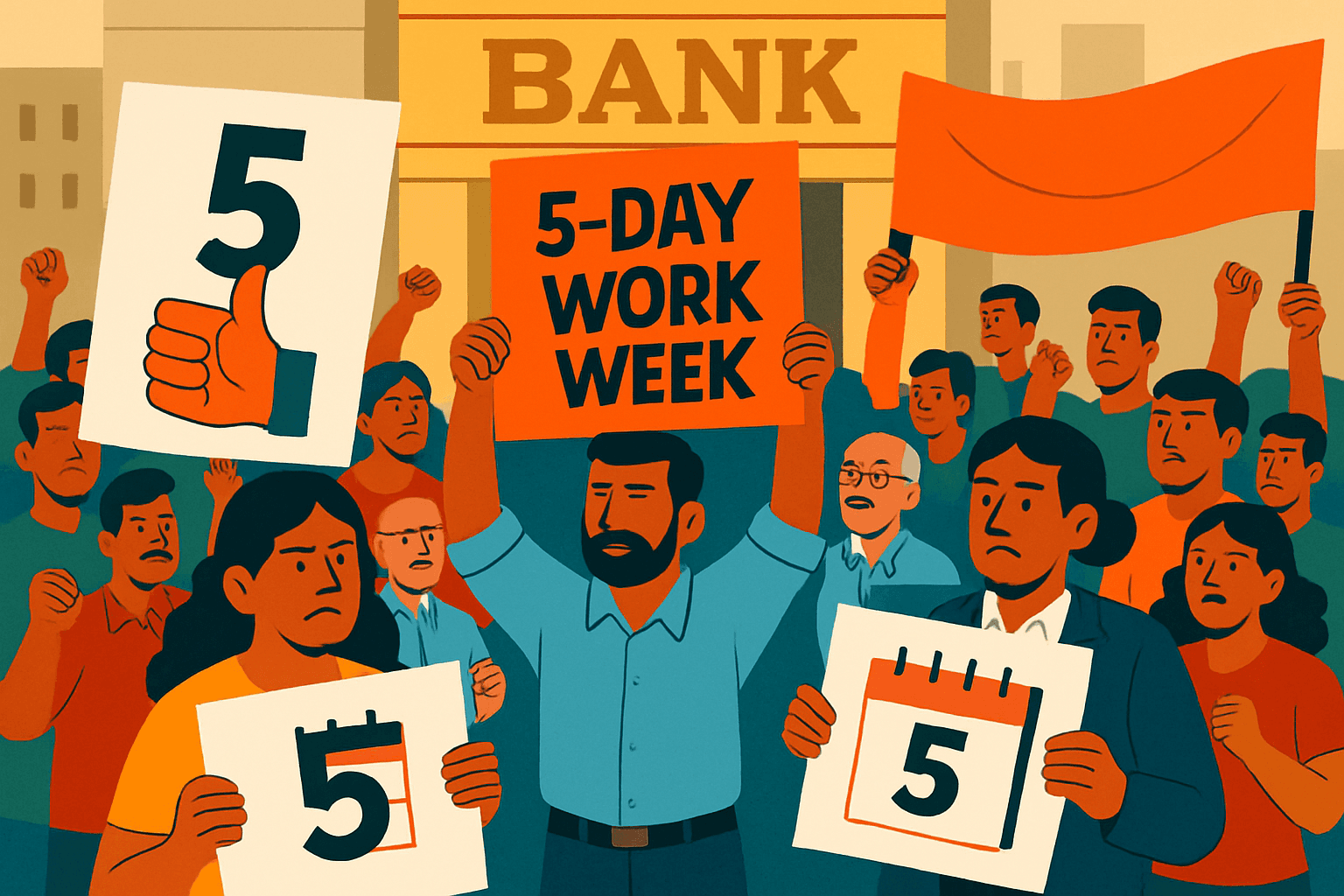
Bank Unions Gear Up for Nationwide Strike on September 11
Bank unions are on the verge of a nationwide strike on September 11 to advocate for five-day banking and improvements in pensions and incentives. After facing a 'negative attitude' from the government, the unions are ready to escalate their efforts with future strikes planned as well.

India’s New Capex Cycle: Cash is King for Corporate Giants
India's corporate investment landscape is transforming, led by cash-rich conglomerates harnessing internal funds for growth, marking a departure from the debt-centric boom of yesteryears. HSBC India's CEO Hitendra Dave emphasizes this shift, highlighting the expanding balance sheets of major players and the need for new economic reforms to attract global investments.

Banks Tighten the Screws on Forensic Auditors: A New Era of Scrutiny Begins
In response to recent Enforcement Directorate observations, Indian banks are ramping up the eligibility criteria for forensic auditors. This move comes after the de-empanelment of two firms from the Agencies for Specialised Monitoring list, reflecting an increased commitment to transparency and accountability in financial practices. Leading public sector banks are also celebrating robust financials, reporting their highest net profits in years.

Don't Let Credit Report Errors Ruin Your Score: Here's How to Fix Them!
Credit report errors can significantly impact your credit score and your eligibility for loans. This article outlines common mistakes found in credit reports, how to identify these inaccuracies, and practical steps to dispute and correct them, ensuring your financial health remains intact.

Citigroup and Axis Bank Join Forces: A Win-Win for NRI Depositors
Citigroup and Axis Bank have partnered to harness the potential of Non-Resident Indian (NRI) deposits. This collaboration aims to enhance dollar inflows and bolster India's foreign-exchange reserves, making it a favorable time for NRIs looking to invest in foreign-currency deposits.

Stable Times Ahead: Indian Banks Navigate Asset Quality with Ease
Indian banks are maintaining a stable outlook on asset quality, thanks to reduced unsecured lending and solid government support for microfinance. Even as the crisis in West Asia unfolds, the impact on operations remains limited. MSME loans are growing but are within safe limits, keeping stress levels low.

Indian Banks Shine Bright: The Best Shape in a Decade!
According to Motilal Oswal Financial Services, Indian banks have achieved a remarkable turnaround, boasting their strongest position in a decade. With gross non-performing assets at near-historic lows and solid capital reserves, these banks are now not only healthier but also primed for growth as credit demand surges amid an improving economy.

AI and Trust: The Future of Invisible Transactions
As AI technologies transform payment systems, the very way we conduct transactions is evolving. AI is making payments increasingly invisible, shifting us into a world where trust and real-time controls become crucial. This shift promises personalized experiences while heightening focus on safety and managing fraud, thus redefining our financial landscape.

UPI at 10: The Digital Payment Revolution That Transformed India
As the Unified Payments Interface (UPI) turns 10, it has redefined the digital payments landscape in India. From humble beginnings to billions of transactions, UPI has been nothing short of a miracle in financial technology, making money transfers as easy as sending a text.
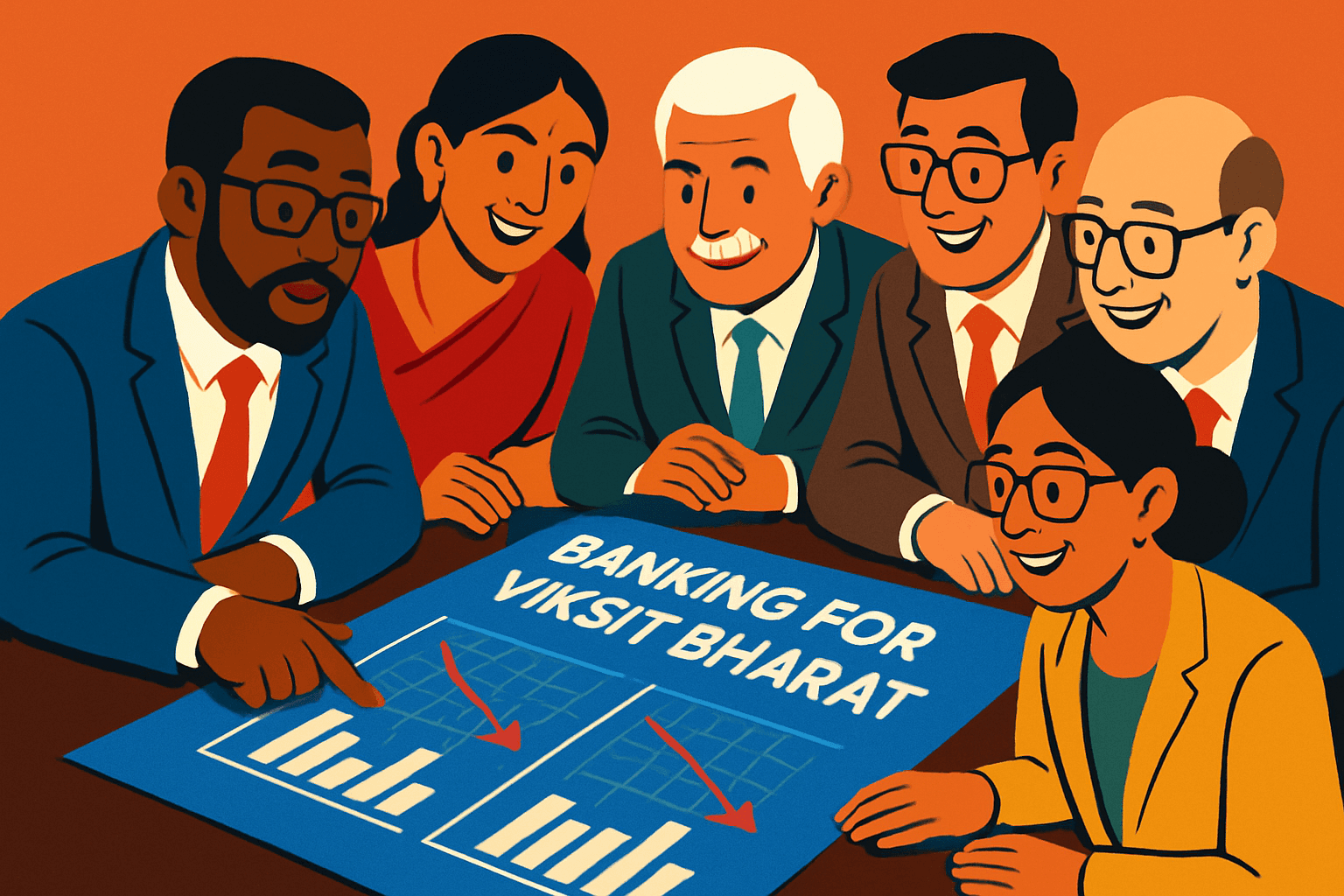
India's Banking Sector Poised for Reform: What’s Next?
Finance Minister Nirmala Sitharaman has announced that India's banking sector is ready for its next reform phase, bolstered by low non-performing assets. A High-Level Committee is set to be introduced to ensure that banks align with India's growth ambitions.

India's Upcoming Shadow Loan Rules: A Need for Guardrails, Not Bans
The RBI's proposed restrictions on flexi loans could reshape borrowing for self-employed workers and small businesses in India. While aimed at preventing bad debt, these measures might inadvertently limit access to vital working capital for those who genuinely need it. The key challenge lies in establishing effective oversight that protects borrowers without shutting them out from much-needed financing.

Is Cash Making a Comeback? Exploring the Recent Rise in Cash Transactions
It seems cash is trying to stage a comeback in the ongoing digital age. Recent reports indicate that while UPI transactions are gaining ground, cash use is seeing a resurgence. This could be due to concerns over potential fees associated with digital transactions, hinting at a possible shift back to good old-fashioned cash if charges come into play.

RBI’s FCNR U-Turn: Unraveling the Policy Certainty Knots
The RBI's abrupt closure of the special FCNR(B) deposit swap window has triggered concerns among bankers about the stability and predictability of India's investment policies. Originally set to close at the end of September, the window was shut earlier on August 31, leading to questions about the future of dollar borrowings and financial planning for banks.

High-Powered Panel on the Way to Review Indian Banking Sector
A high-powered committee is set to be formed by the Indian government to evaluate the current banking landscape. Finance Minister Nirmala Sitharaman announced the initiative, aiming to address and resolve key issues within the system. This comes as part of a continuous effort to strengthen the financial sector and improve its resilience.

Why the Future of Finance Rests on Software, Not Just Banks
The financial landscape is rapidly changing, with digital payments on the rise in India. This shift brings to light the challenges posed by outdated systems. As global account ownership increases, the focus is shifting towards enhancing payment security and speed through advanced AI and better infrastructure, suggesting that the machinery of finance is just as crucial as the banks themselves.

Are Indian Influencers Striking Gold with Instagram Subscriptions?
In the thriving world of digital content, Indian influencers are raking in big bucks from Instagram subscriptions. Subhashree Sahu, a content creator from Odisha, lost her account but previously earned ₹23 lakh a month from her 1.3 million followers. This trend reflects the lucrative side of social media, transforming passionate hobbies into solid income sources.

RBI Slaps ₹59.20 Lakh Penalty on IndusInd Bank for Non-Compliance
The Reserve Bank of India has imposed a monetary penalty of ₹59.20 lakh on IndusInd Bank for failing to comply with certain guidelines related to interest rates on deposits and the securitisation of standard assets. This decision underscores the RBI's commitment to ensuring that banking regulations are adhered to diligently.
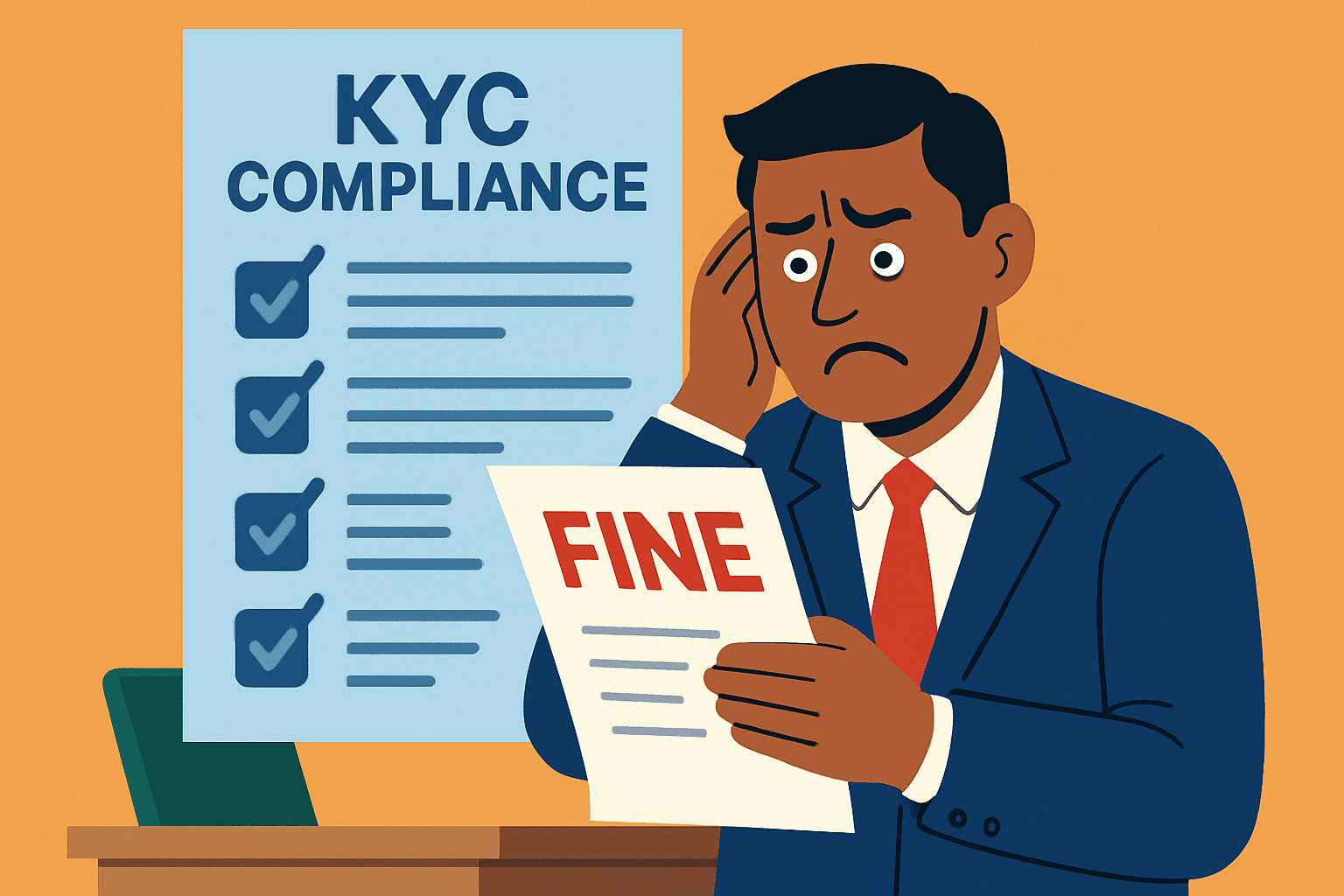
RBI Slaps ₹2.70 Lakh Fine on Fusion Finance Limited for KYC Missteps
The RBI has imposed a ₹2.70 lakh penalty on Fusion Finance Limited for failing to comply with KYC guidelines. This move highlights the bank's commitment to enforce regulations in the financial sector to enhance customer safety and uphold industry standards.

RBI’s New Norms: Banks to Share Loan Rates Monthly – What You Need to Know
The Reserve Bank of India is changing the game for borrowers by requiring banks to disclose their lending rates every month, effective April 1, 2027. This effort aims to provide transparency in loan pricing, making it easier for customers to find the best deals. Floating loans will also need to be reset quarterly, and there will be caps on microfinance and small loan charges.

Southern Banks Shine with Doubling Gold Loan Books
South Indian banks have doubled their gold loan portfolios in just three years, thanks to soaring gold prices and a growing demand for credit. This trend highlights the region's increasing reliance on gold as a collateral for loans, with players like CSB Bank leading the charge.

Banks in Hot Water Over Mule Accounts: Parliamentary Panel Calls for Penalties
A parliamentary committee is pushing for penalties against banks that host multiple mule accounts and for lapses in their Know Your Customer (KYC) processes. This comes amid concerns over delays in merchant discount rates affecting investments in the payments sector. The government is also looking at a self-sustaining financial model for UPI to cover funding gaps in infrastructure development.

The Hidden Economics of International Spending: What You Need to Know
As India's international spending skyrockets, many travelers face unexpected costs from forex mark-ups on credit cards. Choosing zero forex mark-up options can lead to significant savings. Understanding these costs is crucial for savvy global shoppers looking to maximize their travel experiences without breaking the bank.

AI: The Future of Banking Needs A Cyber Secure Passport
According to BCG’s Hardik Shah, AI will profoundly change the Indian banking landscape in the coming decade. However, this transformation comes with cybersecurity risks that necessitate stronger governance from banks, regulators, and the government to ensure that the adoption of AI is both responsible and secure.

Indian Bank Deposits Hit Record High: What’s Behind the Surge?
Indian bank deposits have surged by $115 billion in just three fortnights, reaching a record high. This increase primarily stems from foreign currency deposits driven by the Reserve Bank of India's special scheme. With this influx of funds, the banking system is expected to maintain robust credit conditions moving forward.

Bank of America's $1.9 Billion Investment: A Vote of Confidence in India's Retail Lending
Bank of America has announced a substantial investment of $1.9 billion into Jio Financial's Jio Credit, underscoring the appeal of India's thriving retail lending market. This partnership aims to leverage Jio's digital prowess alongside Bank of America's financial expertise, signaling a growing interest from global banks in India's economic landscape. Regulatory approvals are pending for this high-profile collaboration.