Fraud
Everything Bank Talkies has covered in Fraud.
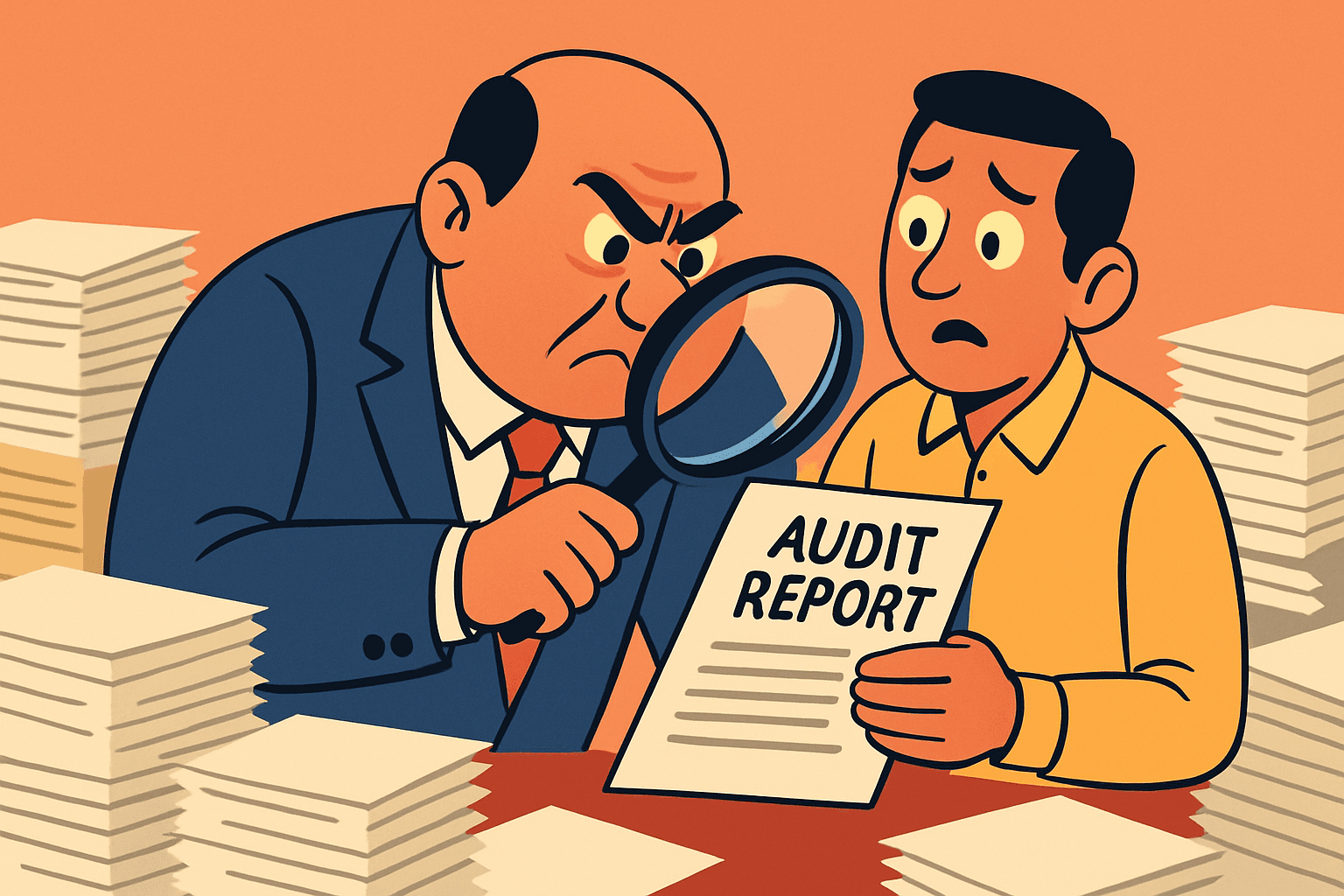
Banks Tighten the Screws on Forensic Auditors: A New Era of Scrutiny Begins
In response to recent Enforcement Directorate observations, Indian banks are ramping up the eligibility criteria for forensic auditors. This move comes after the de-empanelment of two firms from the Agencies for Specialised Monitoring list, reflecting an increased commitment to transparency and accountability in financial practices. Leading public sector banks are also celebrating robust financials, reporting their highest net profits in years.

Banks in Hot Water Over Mule Accounts: Parliamentary Panel Calls for Penalties
A parliamentary committee is pushing for penalties against banks that host multiple mule accounts and for lapses in their Know Your Customer (KYC) processes. This comes amid concerns over delays in merchant discount rates affecting investments in the payments sector. The government is also looking at a self-sustaining financial model for UPI to cover funding gaps in infrastructure development.
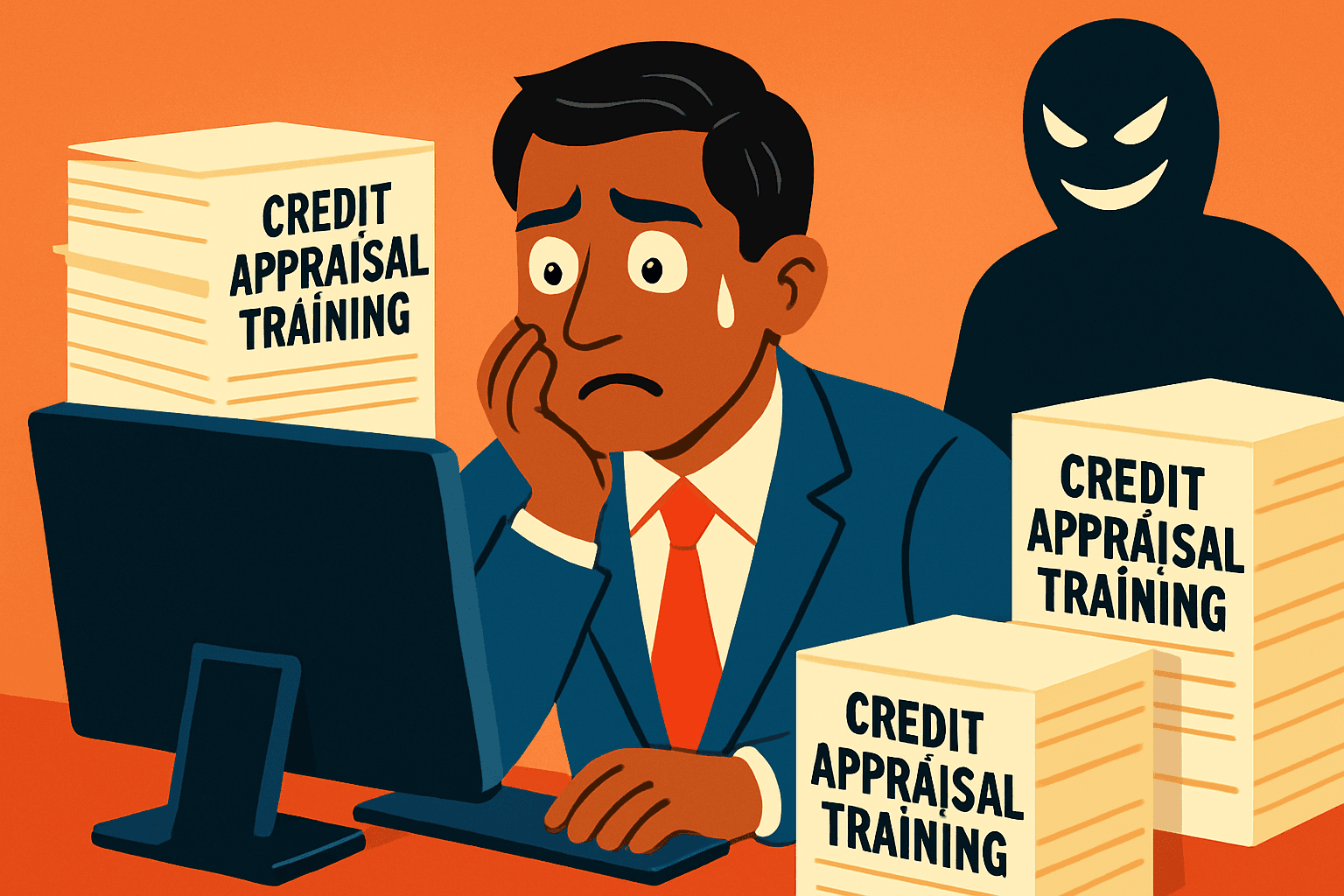
CVC Warns Banks: Train Up or Suffer Fraud Fallouts
The Central Vigilance Commission (CVC) has identified inadequate training in credit monitoring as a major contributor to fraud in the banking sector. In a proactive push, the CVC has urged banks to enhance their training programs to ensure vigilant credit appraisal and monitoring practices. Action reports are expected by November 30 as part of the campaign to improve public administration.

Banks Propose New 'Yes-No' Prompts for UPI Transfers to Tackle Digital Fraud
In response to rising digital payment frauds, Indian banks have proposed a 'Yes-No' prompt system for high-risk UPI transactions. The goal is to balance security and user convenience, with the Reserve Bank of India weighing these suggestions for future guidelines.

RBI Fights Fake Currency with New Measures for Banks Near Borders
In a bid to tackle counterfeit currency, the Reserve Bank of India (RBI) has mandated that banks operating near international borders install currency detection machines and train their staff on security features by 2026. This initiative also emphasizes analyzing fake note data to enhance identification and reporting.

UPI Fraud Explained: The Scams Behind the Convenience
Most UPI fraud isn't a system hack at all - it's social engineering that tricks users into authorizing their own losses, usually by disguising a payment request as something else entirely.

How Fraud Detection Works: The Invisible Guard on Every Transaction
Every card swipe and UPI payment is silently scored for fraud risk in real time, comparing it against a customer's normal behavior before the transaction is ever approved.