Latest Stories
Everything published on Bank Talkies, newest first.

Demystifying Taxes for Indian Freelancers Working with US IT Companies
Freelancers in India earning from US IT firms need to navigate a jungle of taxation rules, from reporting income to GST compliance. Key points include converting dollars to rupees, claiming expenses, and understanding ITR and TDS obligations, all while being mindful of the tax treaty between India and the US.

Why Chasing Global Returns Might Not Be Worth It for Indian Investors
A new study shows that while India may seem to lag behind other global markets in the short term, its long-term equity performance has much to offer. Investors should rethink chasing quick gains abroad, as past data reveals significant shifts in market rankings over time.

Banking Leaders on the Hot Seat: Shaping Reforms for Viksit Bharat 2047
The Indian government is set to form a high-powered committee to steer banking reforms aimed at achieving a 'Viksit Bharat' by 2047. Finance Minister Nirmala Sitharaman highlighted that with non-performing assets (NPAs) at a historic low, now is the time for banks to embrace change. Stakeholders are encouraged to contribute ideas that will shape the future of the banking sector in India.
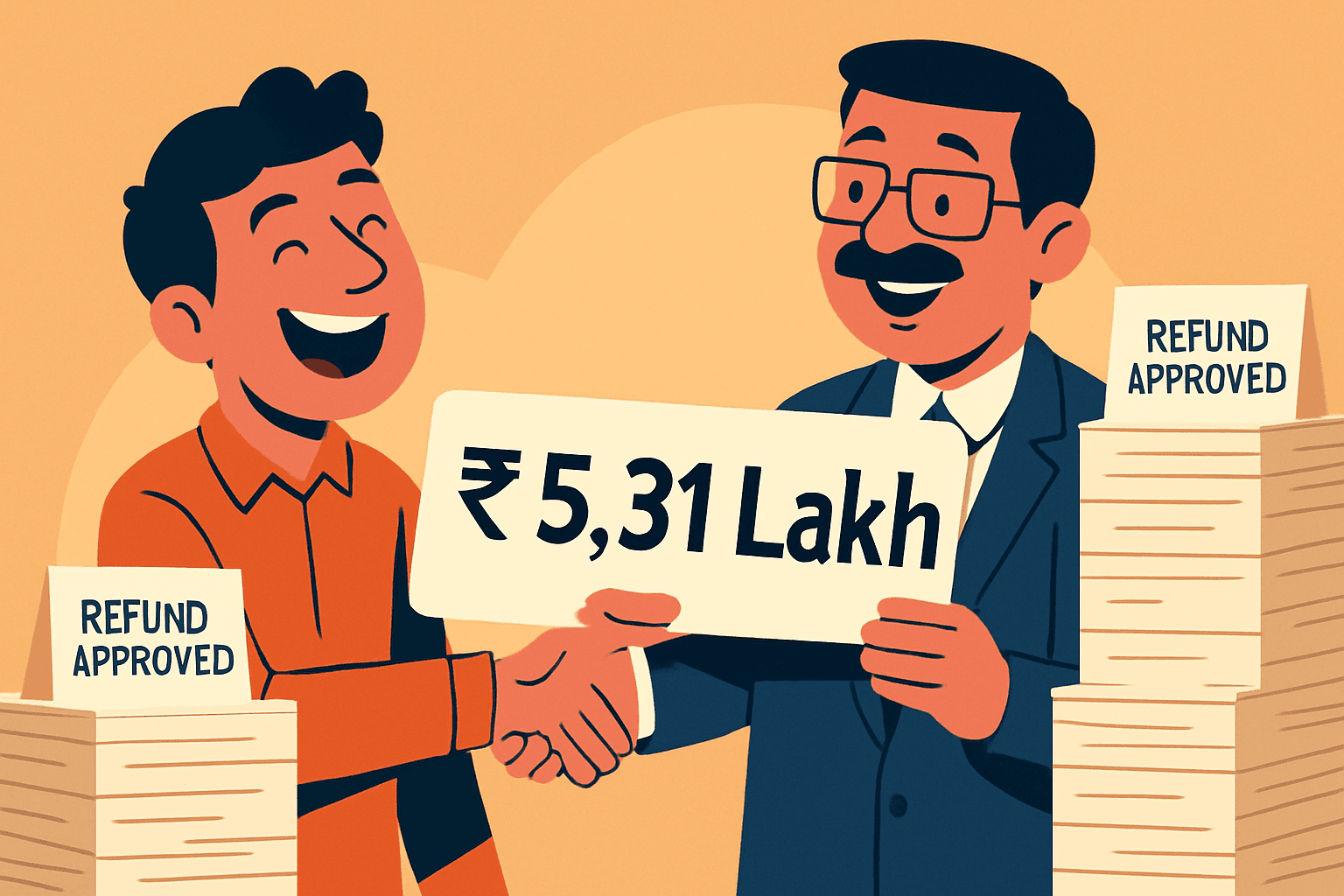
ITAT Delhi Orders ₹5.31 Lakh TDS Refund: No Original ITR? No Problem!
In a recent ruling, the ITAT Delhi paved the way for a ₹5.31 lakh tax refund despite the absence of an original Income Tax Return (ITR). The tribunal stated that taxpayers shouldn’t be penalized for not presenting an original ITR, especially when a return was filed in response to a Section 148 notice. This decision emphasizes the importance of taxpayer rights during assessment processes.

Double the Trouble: Rising Vehicle Loans Signal Risks for Lenders
A growing number of vehicle buyers are opting for multiple loans, coupled with increased average loan sizes, heightening credit risks for lenders. Most pronounced in commercial vehicle finance, the percentage of borrowers with multiple loans has jumped in just a year.

RBI Reports Rising House Prices: What’s Driving the Surge?
The Reserve Bank of India has released the House Price Index for Q1:2026-27, revealing a 1.1% increase in property prices across major cities. The uptick was particularly noticeable in Chandigarh, Lucknow, and Thiruvananthapuram, indicating an ongoing demand in the real estate market.
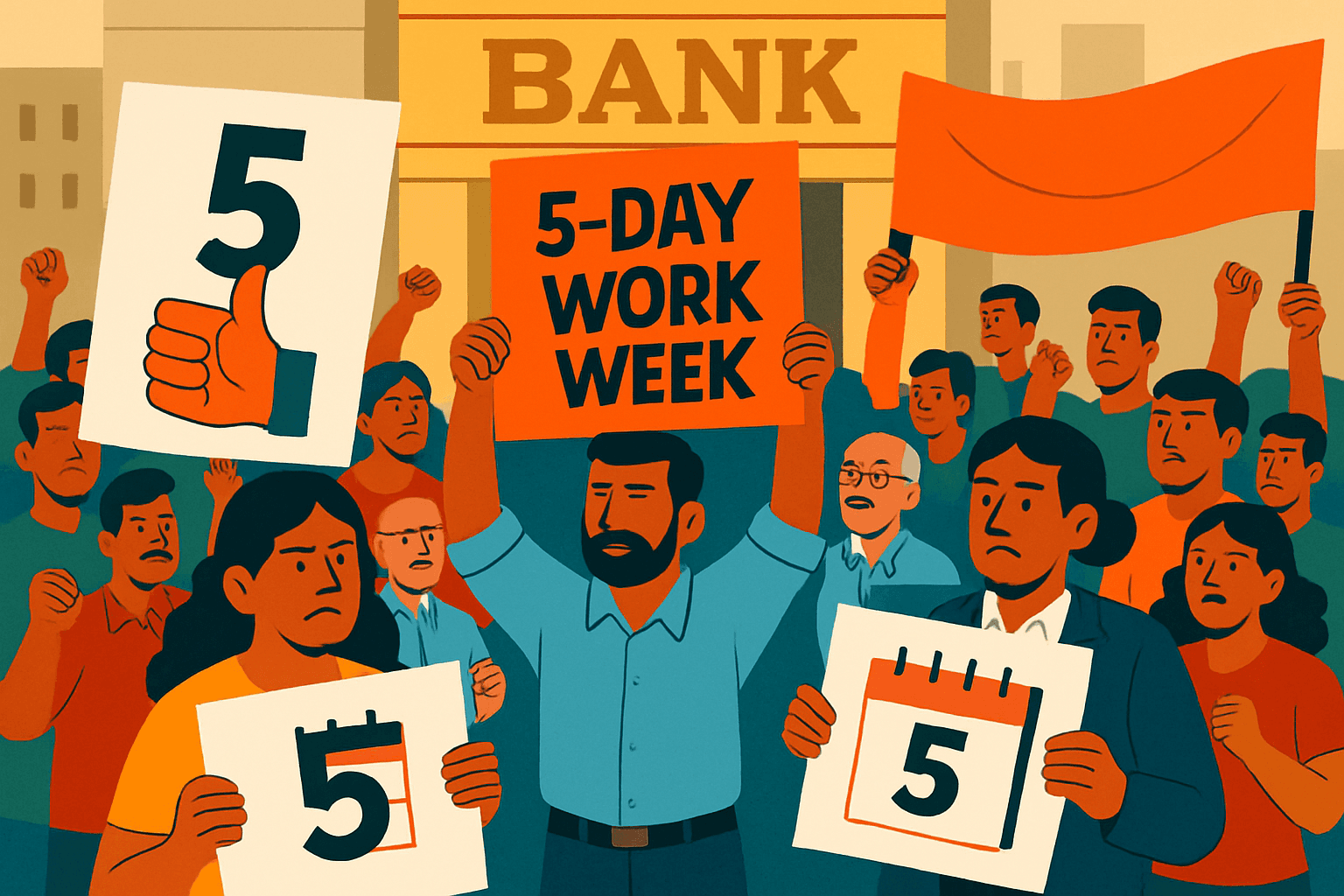
Bank Unions Gear Up for Nationwide Strike on September 11
Bank unions are on the verge of a nationwide strike on September 11 to advocate for five-day banking and improvements in pensions and incentives. After facing a 'negative attitude' from the government, the unions are ready to escalate their efforts with future strikes planned as well.

India’s New Capex Cycle: Cash is King for Corporate Giants
India's corporate investment landscape is transforming, led by cash-rich conglomerates harnessing internal funds for growth, marking a departure from the debt-centric boom of yesteryears. HSBC India's CEO Hitendra Dave emphasizes this shift, highlighting the expanding balance sheets of major players and the need for new economic reforms to attract global investments.

Banks Tighten the Screws on Forensic Auditors: A New Era of Scrutiny Begins
In response to recent Enforcement Directorate observations, Indian banks are ramping up the eligibility criteria for forensic auditors. This move comes after the de-empanelment of two firms from the Agencies for Specialised Monitoring list, reflecting an increased commitment to transparency and accountability in financial practices. Leading public sector banks are also celebrating robust financials, reporting their highest net profits in years.
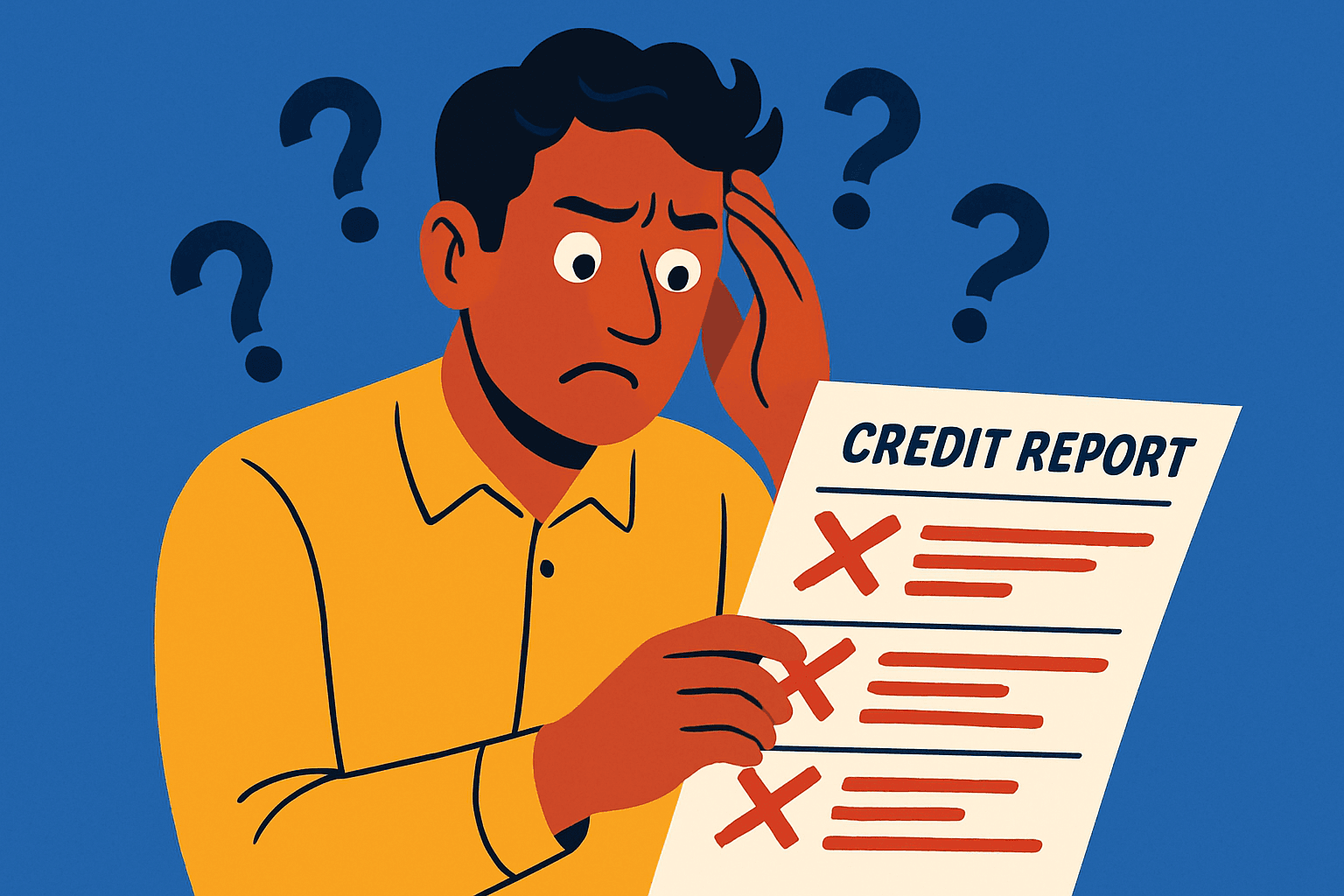
Don't Let Credit Report Errors Ruin Your Score: Here's How to Fix Them!
Credit report errors can significantly impact your credit score and your eligibility for loans. This article outlines common mistakes found in credit reports, how to identify these inaccuracies, and practical steps to dispute and correct them, ensuring your financial health remains intact.

Citigroup and Axis Bank Join Forces: A Win-Win for NRI Depositors
Citigroup and Axis Bank have partnered to harness the potential of Non-Resident Indian (NRI) deposits. This collaboration aims to enhance dollar inflows and bolster India's foreign-exchange reserves, making it a favorable time for NRIs looking to invest in foreign-currency deposits.

Stable Times Ahead: Indian Banks Navigate Asset Quality with Ease
Indian banks are maintaining a stable outlook on asset quality, thanks to reduced unsecured lending and solid government support for microfinance. Even as the crisis in West Asia unfolds, the impact on operations remains limited. MSME loans are growing but are within safe limits, keeping stress levels low.

Indian Banks Shine Bright: The Best Shape in a Decade!
According to Motilal Oswal Financial Services, Indian banks have achieved a remarkable turnaround, boasting their strongest position in a decade. With gross non-performing assets at near-historic lows and solid capital reserves, these banks are now not only healthier but also primed for growth as credit demand surges amid an improving economy.

AI and Trust: The Future of Invisible Transactions
As AI technologies transform payment systems, the very way we conduct transactions is evolving. AI is making payments increasingly invisible, shifting us into a world where trust and real-time controls become crucial. This shift promises personalized experiences while heightening focus on safety and managing fraud, thus redefining our financial landscape.

UPI at 10: The Digital Payment Revolution That Transformed India
As the Unified Payments Interface (UPI) turns 10, it has redefined the digital payments landscape in India. From humble beginnings to billions of transactions, UPI has been nothing short of a miracle in financial technology, making money transfers as easy as sending a text.
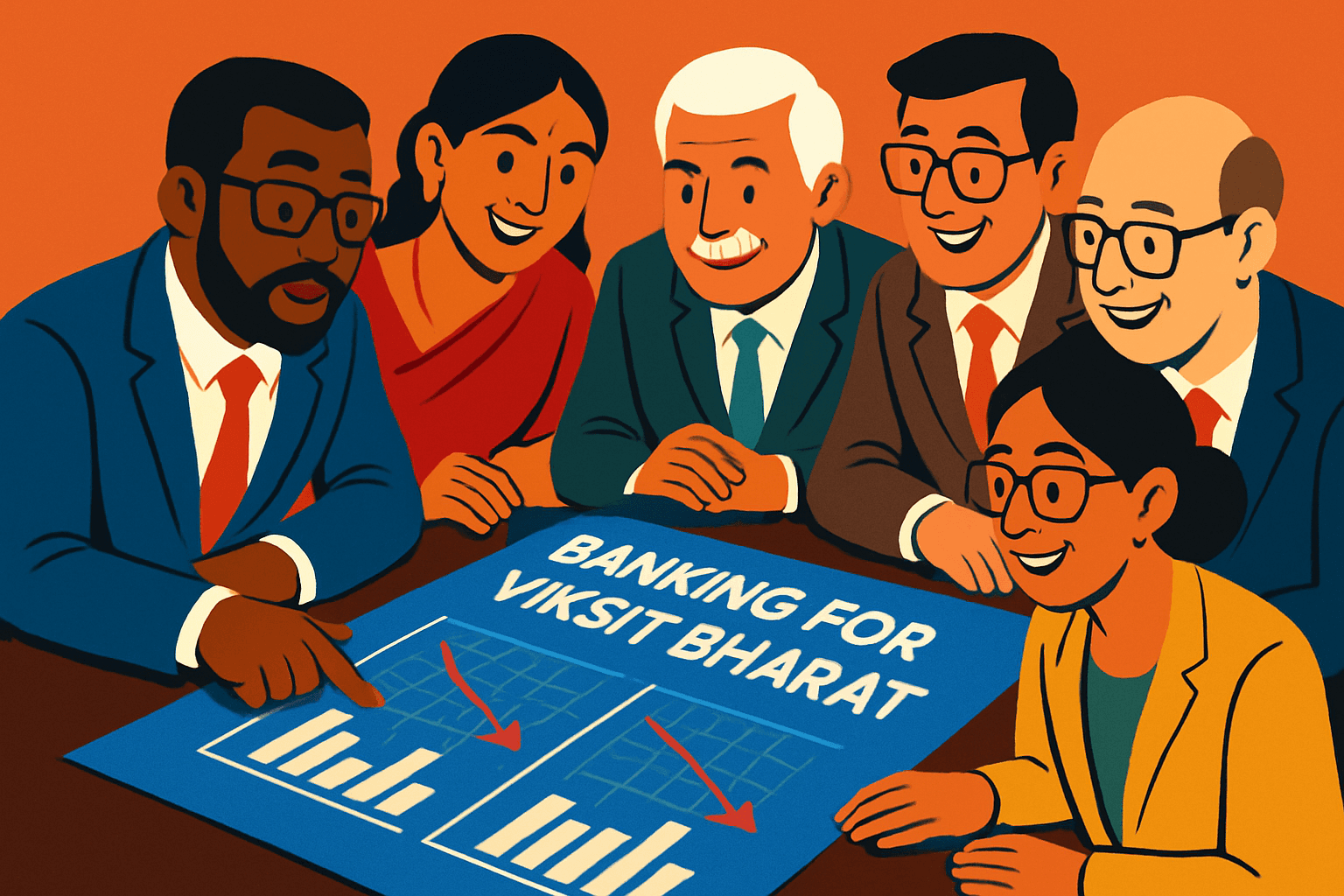
India's Banking Sector Poised for Reform: What’s Next?
Finance Minister Nirmala Sitharaman has announced that India's banking sector is ready for its next reform phase, bolstered by low non-performing assets. A High-Level Committee is set to be introduced to ensure that banks align with India's growth ambitions.

India's Upcoming Shadow Loan Rules: A Need for Guardrails, Not Bans
The RBI's proposed restrictions on flexi loans could reshape borrowing for self-employed workers and small businesses in India. While aimed at preventing bad debt, these measures might inadvertently limit access to vital working capital for those who genuinely need it. The key challenge lies in establishing effective oversight that protects borrowers without shutting them out from much-needed financing.

Is Cash Making a Comeback? Exploring the Recent Rise in Cash Transactions
It seems cash is trying to stage a comeback in the ongoing digital age. Recent reports indicate that while UPI transactions are gaining ground, cash use is seeing a resurgence. This could be due to concerns over potential fees associated with digital transactions, hinting at a possible shift back to good old-fashioned cash if charges come into play.

RBI’s FCNR U-Turn: Unraveling the Policy Certainty Knots
The RBI's abrupt closure of the special FCNR(B) deposit swap window has triggered concerns among bankers about the stability and predictability of India's investment policies. Originally set to close at the end of September, the window was shut earlier on August 31, leading to questions about the future of dollar borrowings and financial planning for banks.

High-Powered Panel on the Way to Review Indian Banking Sector
A high-powered committee is set to be formed by the Indian government to evaluate the current banking landscape. Finance Minister Nirmala Sitharaman announced the initiative, aiming to address and resolve key issues within the system. This comes as part of a continuous effort to strengthen the financial sector and improve its resilience.
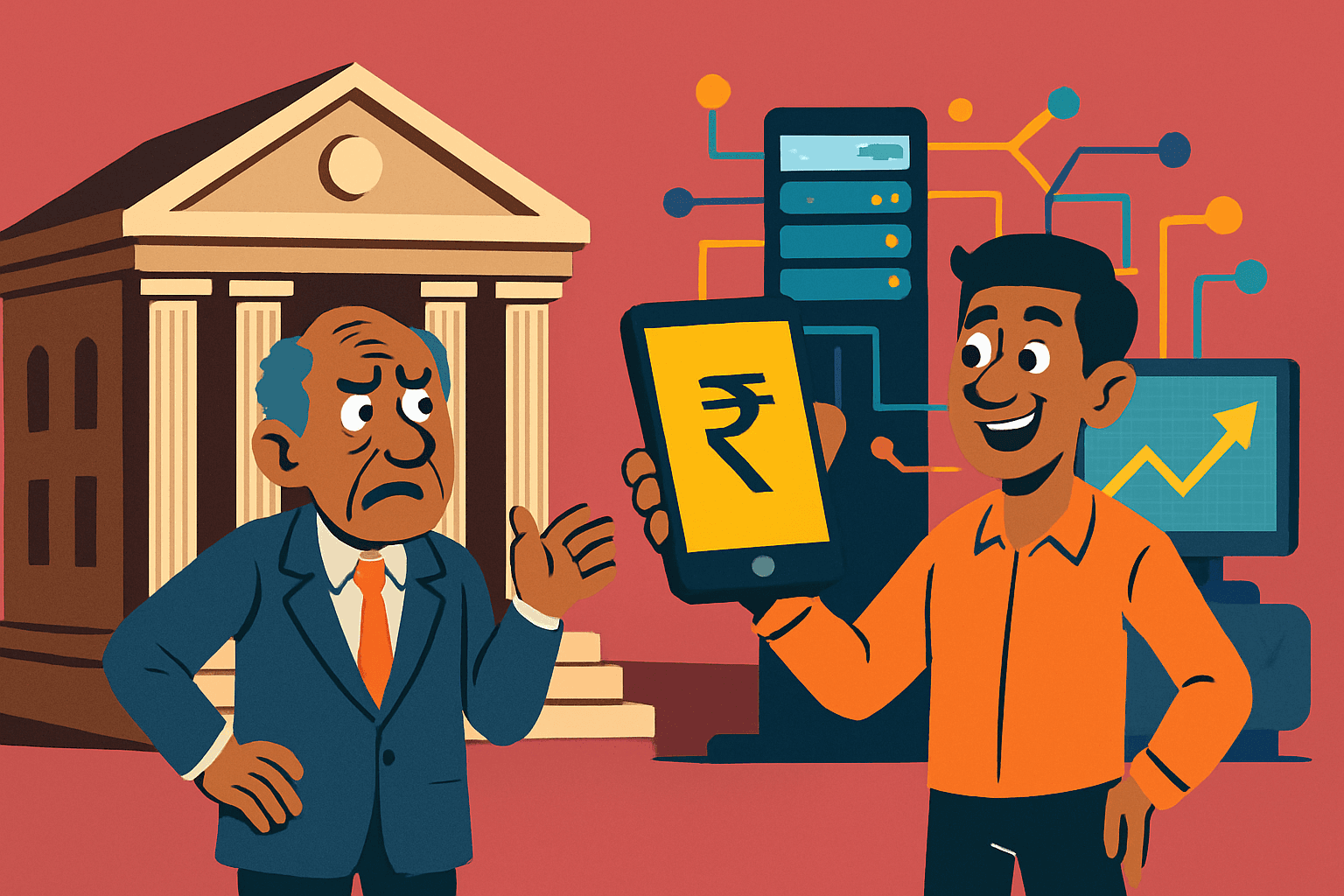
Why the Future of Finance Rests on Software, Not Just Banks
The financial landscape is rapidly changing, with digital payments on the rise in India. This shift brings to light the challenges posed by outdated systems. As global account ownership increases, the focus is shifting towards enhancing payment security and speed through advanced AI and better infrastructure, suggesting that the machinery of finance is just as crucial as the banks themselves.

Are Indian Influencers Striking Gold with Instagram Subscriptions?
In the thriving world of digital content, Indian influencers are raking in big bucks from Instagram subscriptions. Subhashree Sahu, a content creator from Odisha, lost her account but previously earned ₹23 lakh a month from her 1.3 million followers. This trend reflects the lucrative side of social media, transforming passionate hobbies into solid income sources.

RBI Slaps ₹59.20 Lakh Penalty on IndusInd Bank for Non-Compliance
The Reserve Bank of India has imposed a monetary penalty of ₹59.20 lakh on IndusInd Bank for failing to comply with certain guidelines related to interest rates on deposits and the securitisation of standard assets. This decision underscores the RBI's commitment to ensuring that banking regulations are adhered to diligently.
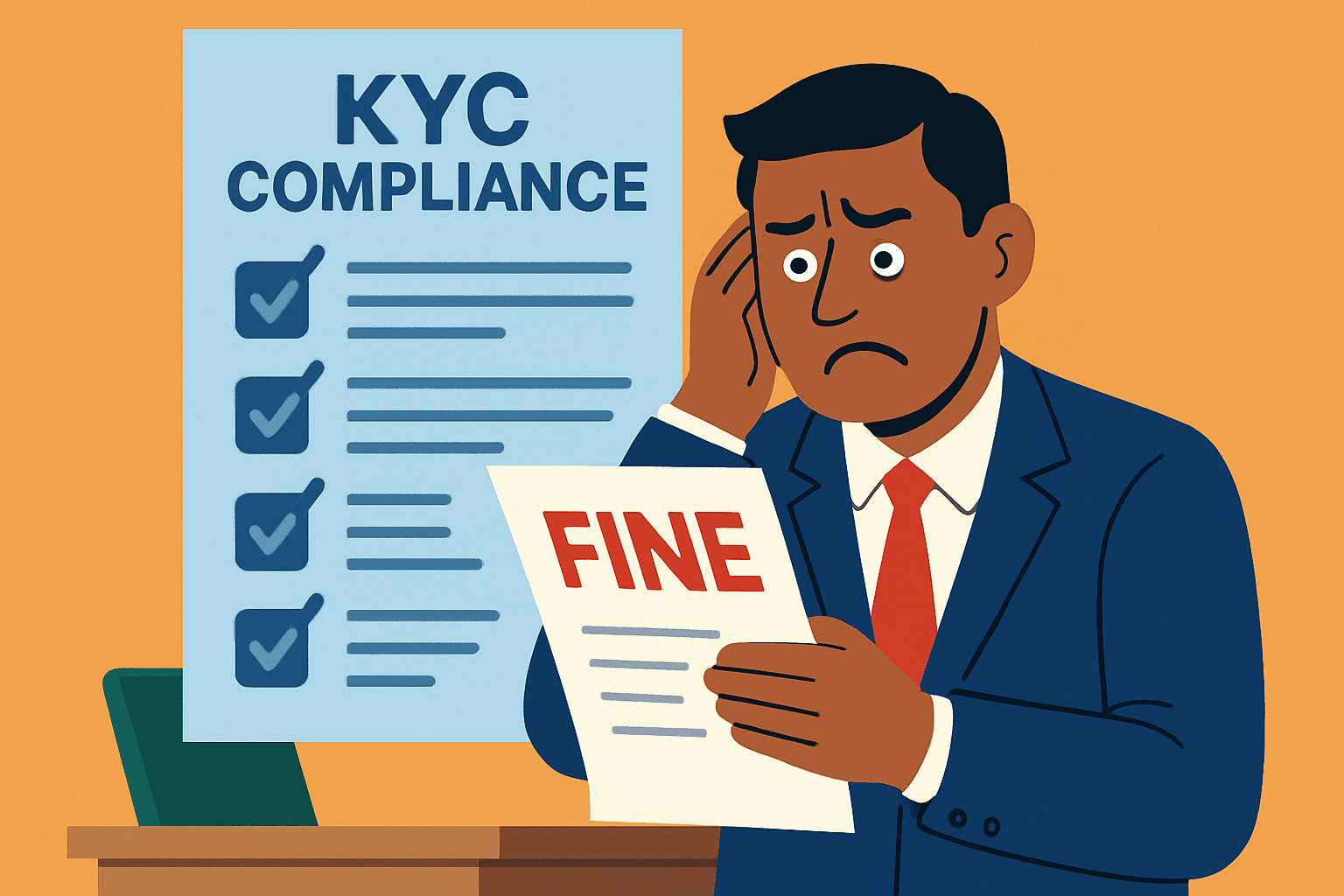
RBI Slaps ₹2.70 Lakh Fine on Fusion Finance Limited for KYC Missteps
The RBI has imposed a ₹2.70 lakh penalty on Fusion Finance Limited for failing to comply with KYC guidelines. This move highlights the bank's commitment to enforce regulations in the financial sector to enhance customer safety and uphold industry standards.

RBI’s New Norms: Banks to Share Loan Rates Monthly – What You Need to Know
The Reserve Bank of India is changing the game for borrowers by requiring banks to disclose their lending rates every month, effective April 1, 2027. This effort aims to provide transparency in loan pricing, making it easier for customers to find the best deals. Floating loans will also need to be reset quarterly, and there will be caps on microfinance and small loan charges.

Southern Banks Shine with Doubling Gold Loan Books
South Indian banks have doubled their gold loan portfolios in just three years, thanks to soaring gold prices and a growing demand for credit. This trend highlights the region's increasing reliance on gold as a collateral for loans, with players like CSB Bank leading the charge.

Banks in Hot Water Over Mule Accounts: Parliamentary Panel Calls for Penalties
A parliamentary committee is pushing for penalties against banks that host multiple mule accounts and for lapses in their Know Your Customer (KYC) processes. This comes amid concerns over delays in merchant discount rates affecting investments in the payments sector. The government is also looking at a self-sustaining financial model for UPI to cover funding gaps in infrastructure development.

The Hidden Economics of International Spending: What You Need to Know
As India's international spending skyrockets, many travelers face unexpected costs from forex mark-ups on credit cards. Choosing zero forex mark-up options can lead to significant savings. Understanding these costs is crucial for savvy global shoppers looking to maximize their travel experiences without breaking the bank.

AI: The Future of Banking Needs A Cyber Secure Passport
According to BCG’s Hardik Shah, AI will profoundly change the Indian banking landscape in the coming decade. However, this transformation comes with cybersecurity risks that necessitate stronger governance from banks, regulators, and the government to ensure that the adoption of AI is both responsible and secure.

Indian Bank Deposits Hit Record High: What’s Behind the Surge?
Indian bank deposits have surged by $115 billion in just three fortnights, reaching a record high. This increase primarily stems from foreign currency deposits driven by the Reserve Bank of India's special scheme. With this influx of funds, the banking system is expected to maintain robust credit conditions moving forward.

Bank of America's $1.9 Billion Investment: A Vote of Confidence in India's Retail Lending
Bank of America has announced a substantial investment of $1.9 billion into Jio Financial's Jio Credit, underscoring the appeal of India's thriving retail lending market. This partnership aims to leverage Jio's digital prowess alongside Bank of America's financial expertise, signaling a growing interest from global banks in India's economic landscape. Regulatory approvals are pending for this high-profile collaboration.

How ITAT Chennai Struck a Blow for Fairness in Property Taxation
In a significant ruling, the Income Tax Appellate Tribunal (ITAT) in Chennai has granted tax relief to a property seller who faced a hefty tax burden due to inflated stamp duty valuations. The case hinged on an unregistered sale agreement, but the tribunal acknowledged the legitimacy of earlier agreements and RTGS payments, ruling that the tax benefit should not be denied.

Indian Investors Set Sights on Overseas Equities and Crypto: A 2026 Outlook
As Indian investors increasingly diversify their portfolios, both overseas equities and cryptocurrencies have become hot favorites. This trend reflects a shift in investment strategies as individuals seek greater opportunities and risk management beyond the traditional domestic market.
RBI Holds Latest Overnight Variable Rate Reverse Repo Auction: What You Need to Know
The Reserve Bank of India recently conducted a Variable Rate Reverse Repo auction, with a total notified amount of ₹1,00,000 crore and accepting offers totally worth ₹58,671 crore. The cut-off rate for this auction was set at 5.24%. This auction is part of the RBI’s ongoing measures in monetary policy to manage liquidity in the banking system.
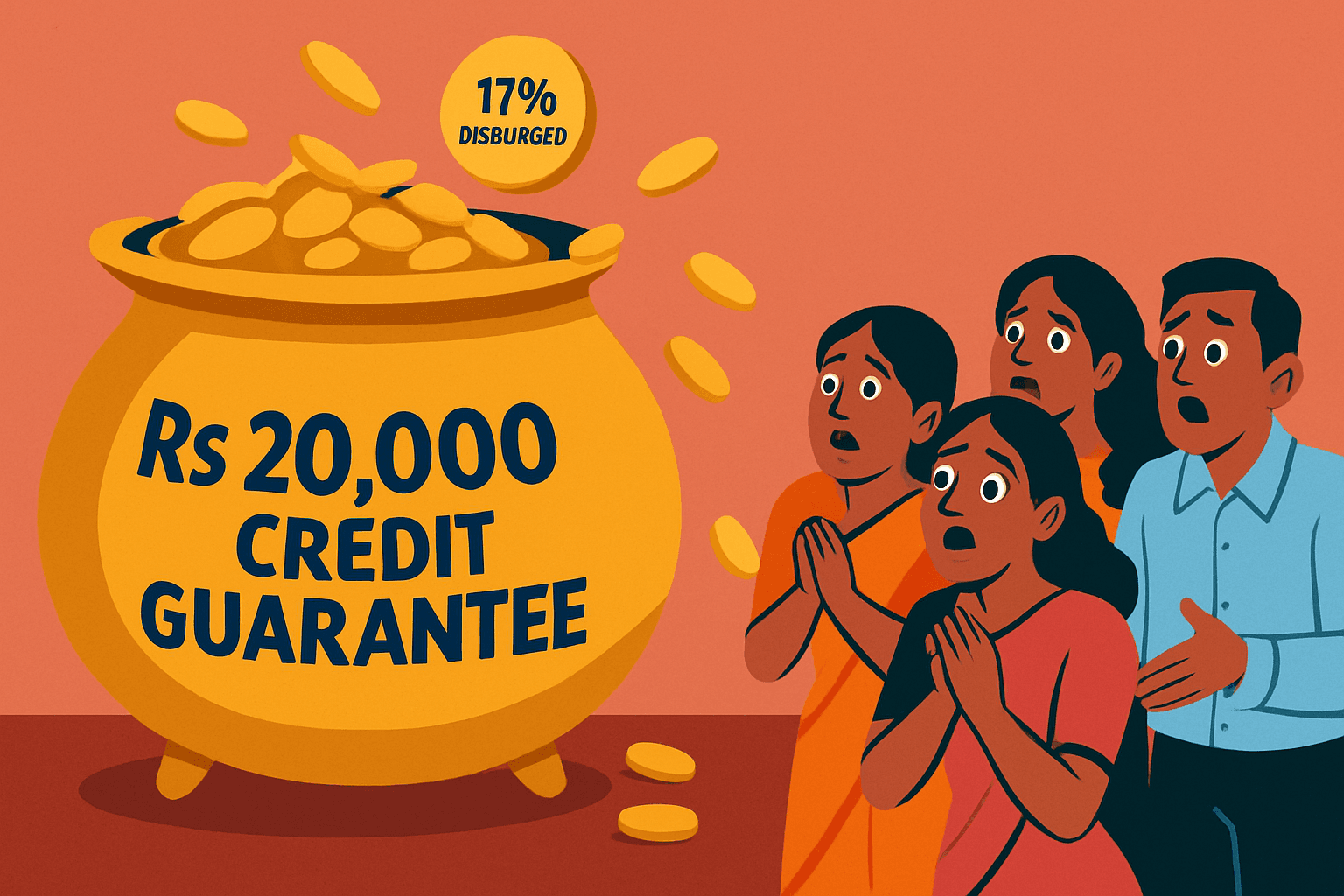
The Rs 20,000 Crore Credit Guarantee Plan: A Slow Start and Uncertain Future
Despite the government's big promise of a Rs 20,000 crore credit guarantee plan for microfinance, banks have disbursed only 17% of the funds. While small and medium-sized institutions have received some support, larger players remain wary, stalling loan sanctions and leaving many potential borrowers hanging.
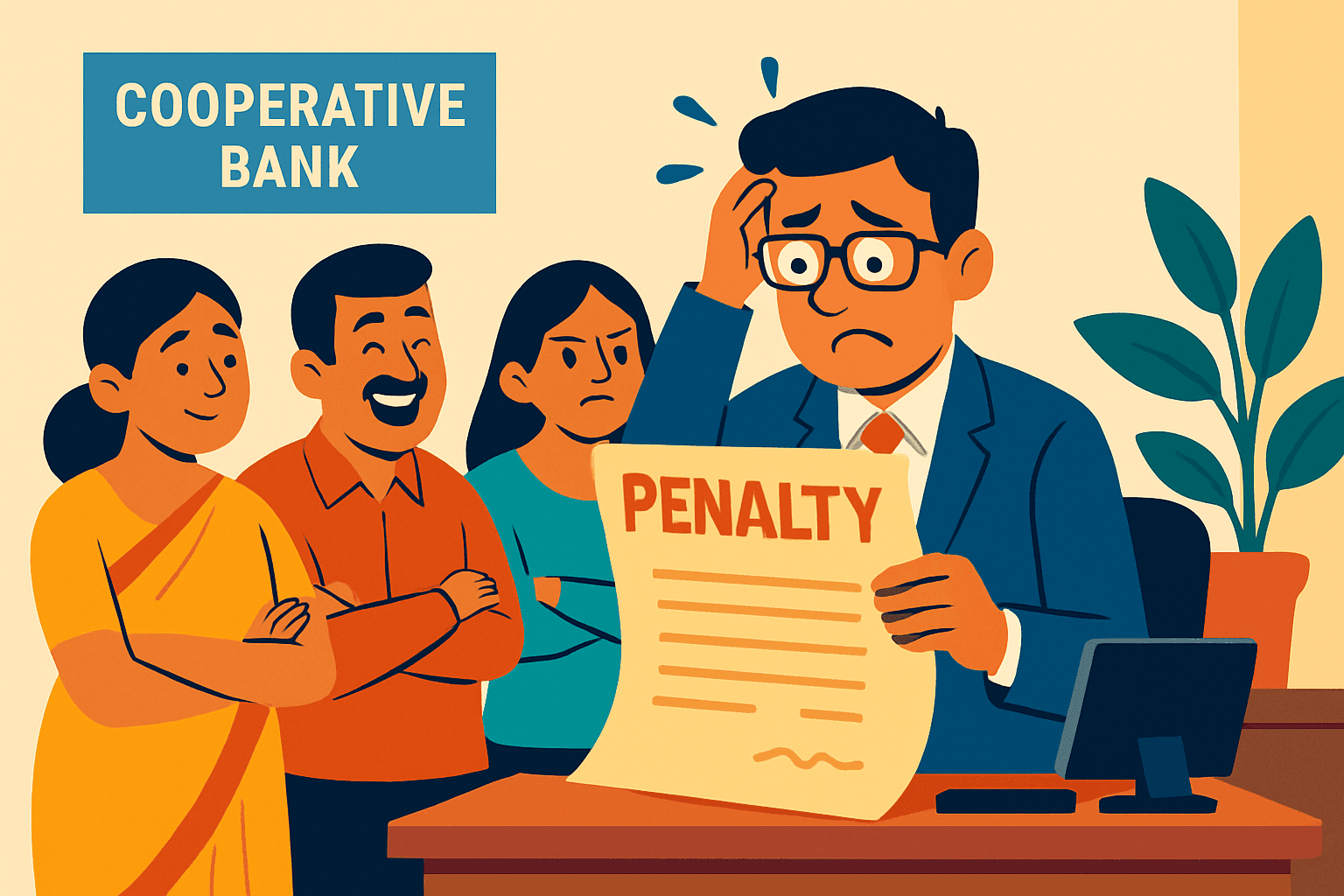
RBI Hits Amravati District Central Co-operative Bank with ₹50,000 Penalty
The Reserve Bank of India has imposed a ₹50,000 penalty on The Amravati District Central Co-operative Bank for failing to comply with KYC regulations and improper bank charge practices. This serves as a reminder for banks to uphold regulatory standards and ensure fairness for their customers.
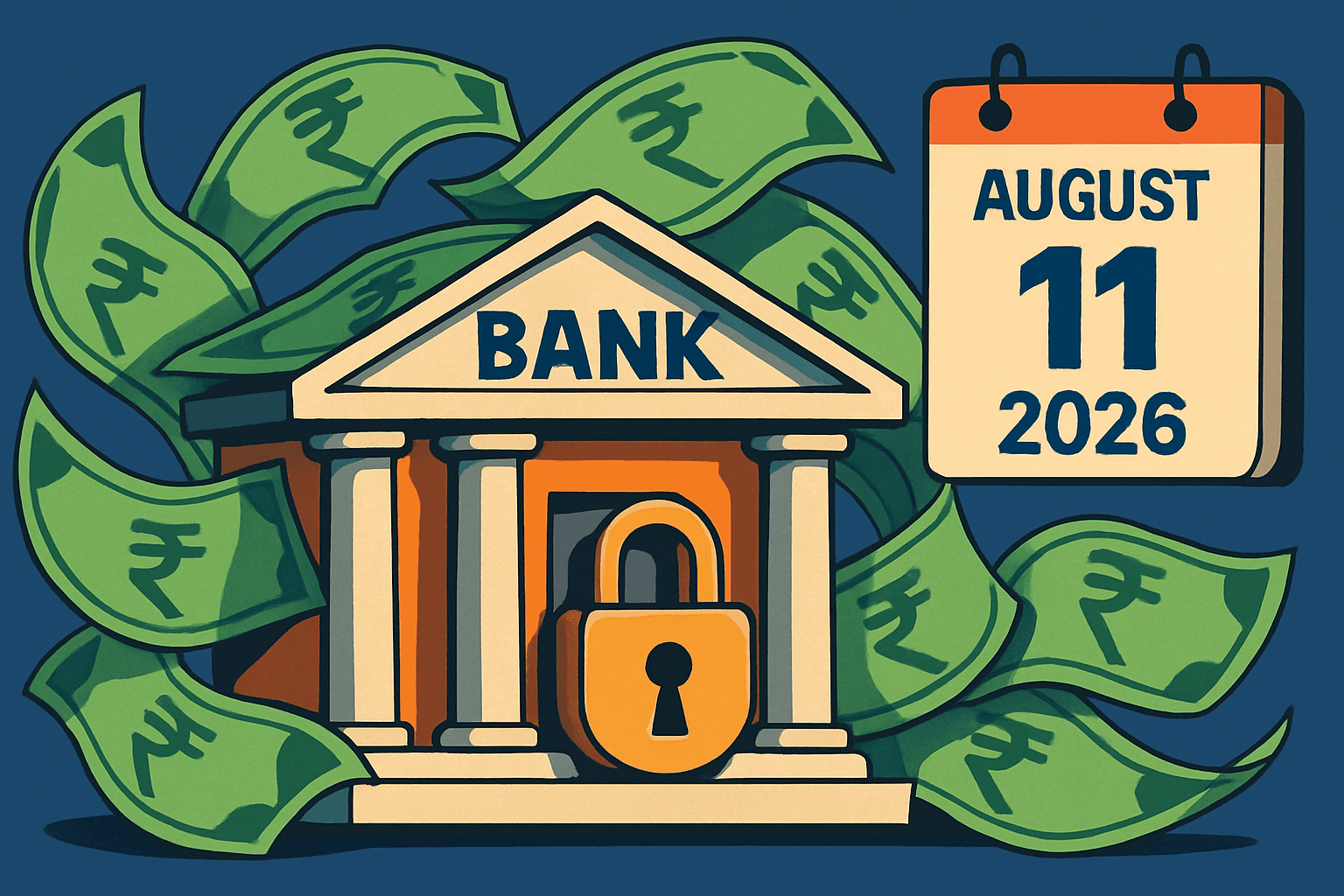
RBI Sets Date for Upcoming Variable Rate Reverse Repo Auction
The RBI is set to conduct a Variable Rate Reverse Repo auction on August 11, 2026, to manage liquidity conditions. This auction will involve ₹1,25,000 crore for a tenor of three days, with guidelines remaining unchanged from past auctions. Mark your calendars and keep an eye on your wallets!
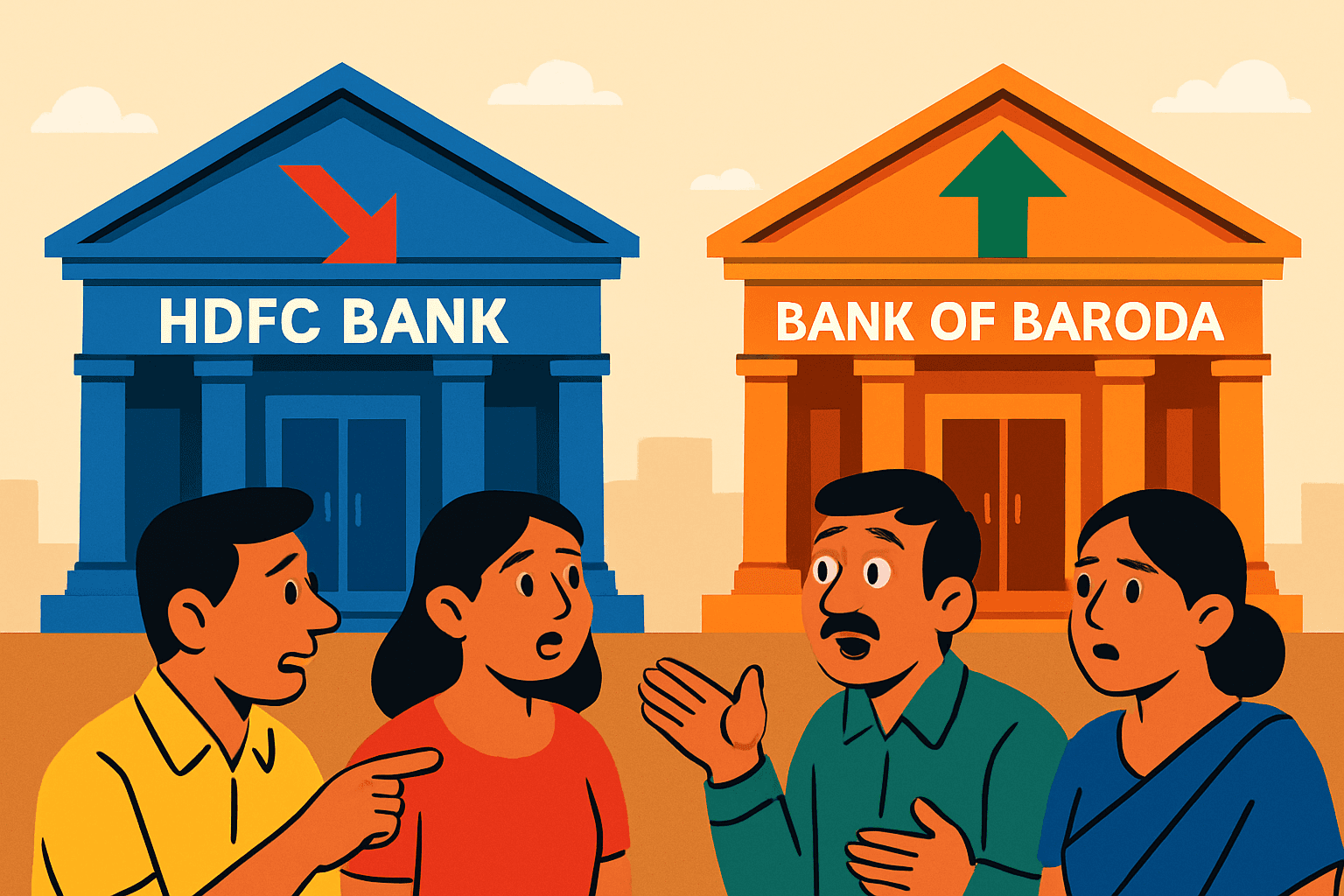
HDFC Bank Lowers Lending Rates, Bank of Baroda Turns Up the Heat
HDFC Bank has decided to cut its Marginal Cost of Funds based Lending Rate (MCLR) by 5 basis points effective August 7. Meanwhile, Bank of Baroda is raising its three-month lending rate by 10 basis points starting August 12. This move highlights the dynamic nature of the banking sector as these banks adjust their lending rates in response to market conditions.

Indian Banks Seek RBI's Blessing to Spread MTM Losses Over the Year
In light of the recent West Asia crisis causing bond-market turbulence, Indian banks are requesting the Reserve Bank of India (RBI) to allow them to spread their mark-to-market (MTM) losses across the remaining quarters of the fiscal year. This move comes as rising government bond yields significantly impact their treasury income, making it a critical moment for the banking sector.

Retirement Planning for Child-Free Couples: Expecting More than Just Savings
Many child-free couples assume that not having children reduces their retirement financial needs. However, experts suggest that these couples might actually require a larger retirement corpus to maintain their lifestyle and plan for potential unexpected expenses in their later years.

ITAT Chennai Paves the Way for Gratuity Tax Deductions with Common Sense Ruling
In a recent ruling, the ITAT Chennai has allowed a taxpayer to claim a deduction of ₹79.25 lakh for gratuity, which was initially denied due to an inadvertent error in the Income Tax Return (ITR). The tribunal highlighted that genuine claims should not be hindered by minor errors.

Understanding Money Market Operations: A Snapshot from August 07, 2026
On August 7, 2026, the Indian money market displayed a vibrant mix of operations, with significant volumes being traded across various segments. The call money segment remained busy, alongside triparty repos and market repos, all reflecting competitive interest rates. This article breaks down the figures and implications of these operations without the fluff.

Unlocking the Delhi Lakshmi Yojana: A Step-by-Step Guide to Apply and Check Your Status
Over 5.14 lakh women have registered for the Delhi Lakshmi Yojana in just one week since its launch. This initiative, aimed at supporting women's financial empowerment, offers assistance to eligible participants. Here’s how to apply and check your status in this ground-breaking program.

Are You Missing Out on ₹3,811 Crore? SEBI Reveals Unclaimed Mutual Fund Money
SEBI's latest report unveiled ₹3,811 crore left unclaimed in mutual funds by the end of FY26. With redemption amounts and dividends just sitting there, it’s like finding money in your old jeans! Here’s how you can check for unclaimed funds and recover what’s yours without breaking a sweat.

Justice Delayed, But Not Denied: Allahabad High Court Sides with Homebuyer After 13-Year Battle
In a notable ruling, the Allahabad High Court has fined a Noida builder ₹2.5 lakh after a homebuyer spent 13 years fighting over delayed possession of his flat. The court's decision to impose interest rates of 24% on the delayed possession highlights the challenges homebuyers face while seeking justice against builders.

Aiming for a Capital Comeback: How the Government Plans to Attract Foreign Investment
The Indian government is set to convene with public sector banks to strategize attracting foreign capital. This initiative aims to stabilize the rupee, bolster reserves, and support local businesses. By promoting foreign direct investment, the government hopes to enhance economic stability and growth.

PNB's Wealth Management Launch: Aiming for Gold Beyond Interest
Punjab National Bank is set to launch its wealth management services by December, reinforcing its commitment to diversify non-interest income. The bank is also ramping up its credit card operations in a move designed to enhance profitability, aiming for a profit exceeding twenty thousand crore rupees this financial year.
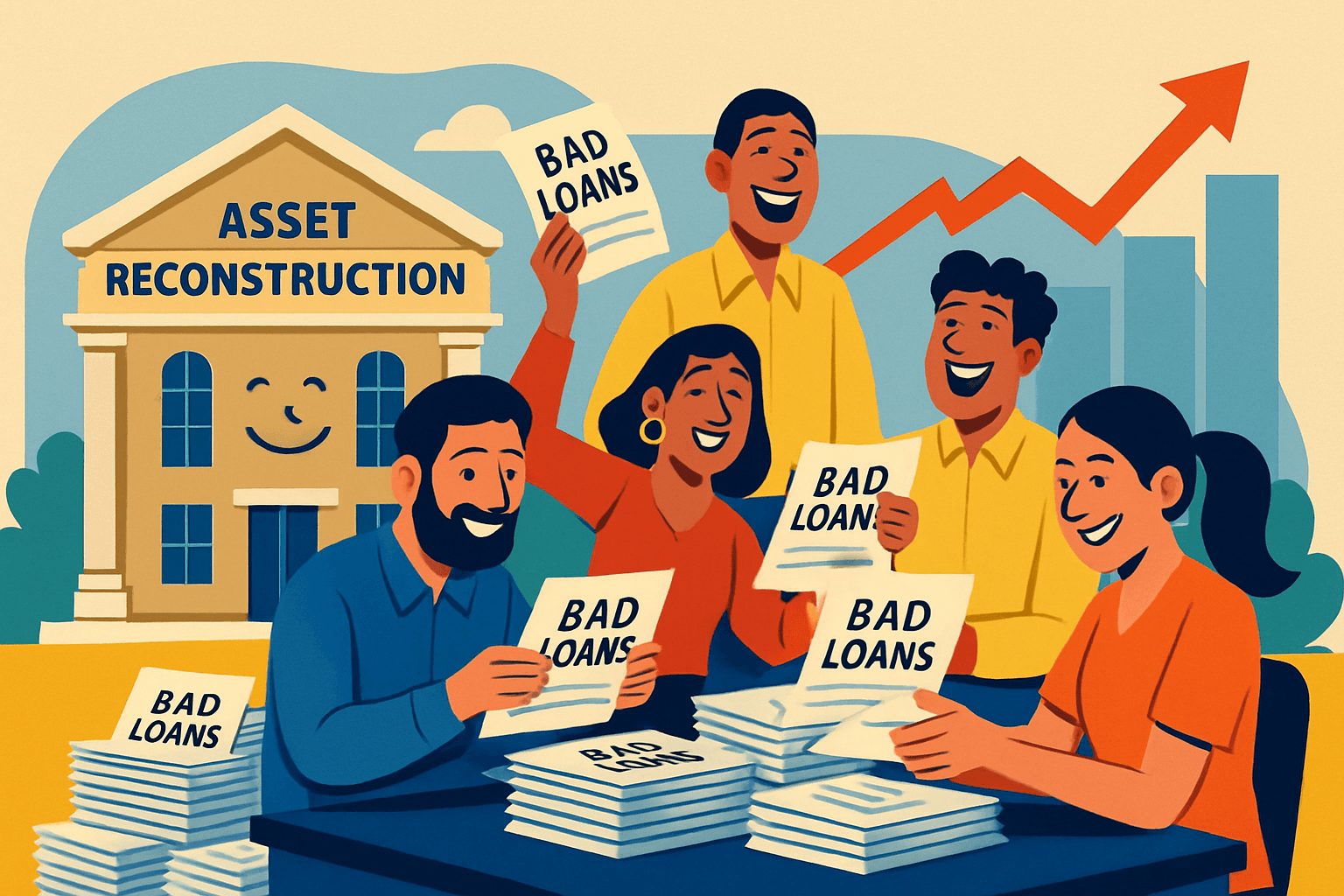
Asset Reconstruction Companies See a 56% Jump in Bad Loan Purchases
In the first quarter, asset reconstruction companies (ARCs) in India upped their purchases of bad loans by a significant 56%, totaling ₹26,304 crores. This growth reflects a continued downward trend in non-performing assets across the banking sector, with banks progressively resolving longstanding stressed assets through increased cash settlements and security receipts.
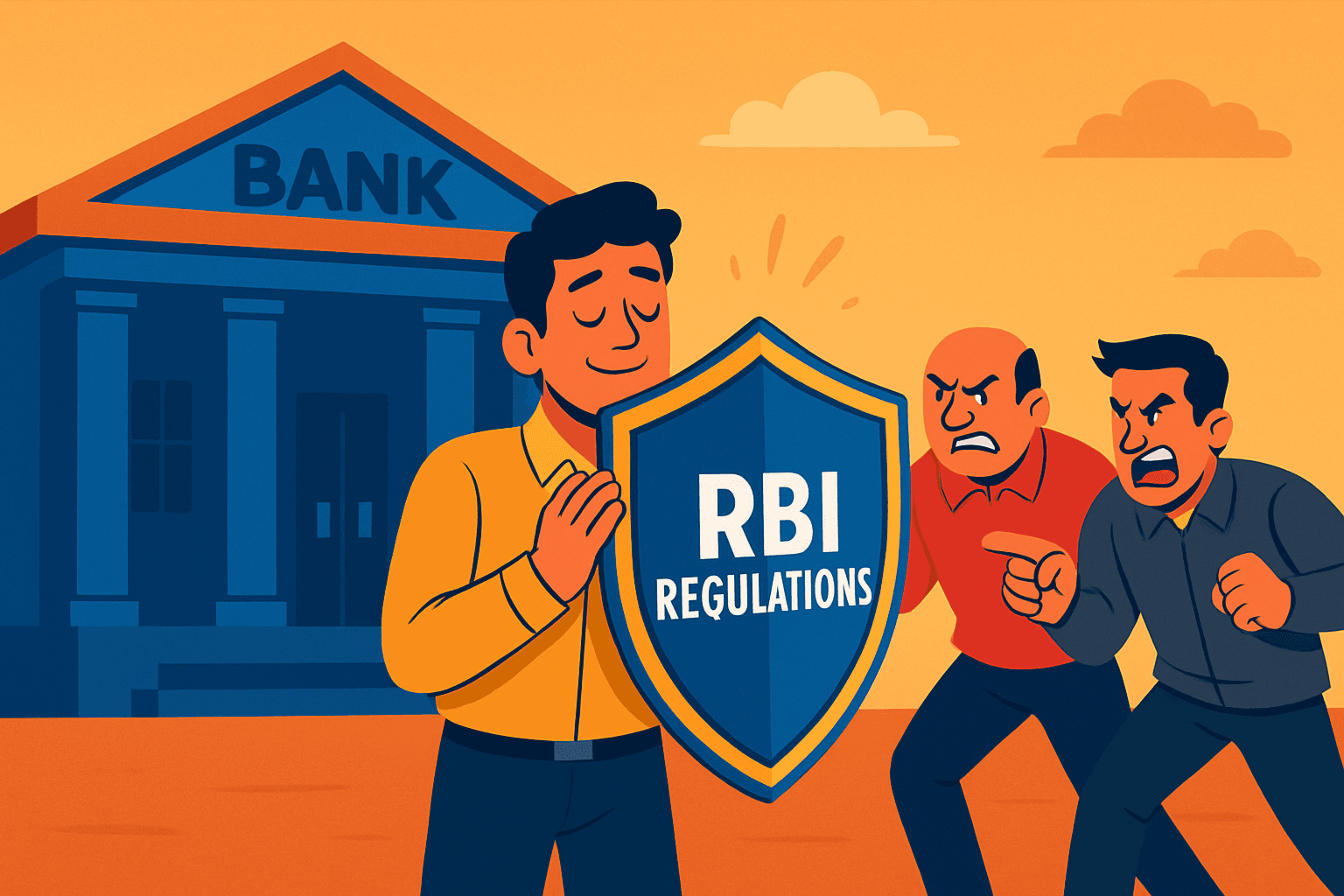
RBI's New Recovery Rules: A Shield for Borrowers Against Harassment
The Reserve Bank of India (RBI) is tightening regulations around loan recoveries starting January 2027. The new rules protect borrowers from harassment, unlawful service use, and device locking by banks and NBFCs, aiming to create a fairer financial environment. These guidelines set clear lines for recovery agents on how they can interact with borrowers, ensuring that people's rights are respected during tough financial times.

Global Banks Tighten the Purse Strings on Credit Cards for Wealthy Indians
In a surprising turn of events, offshore banks are scaling back the issuance of international credit cards to wealthy Indians, thanks to India's stringent 180-day rule on foreign fund transfers. This policy is also proving tricky for minors trying to navigate their foreign accounts. Is this the end of a golden era for luxury spending abroad?
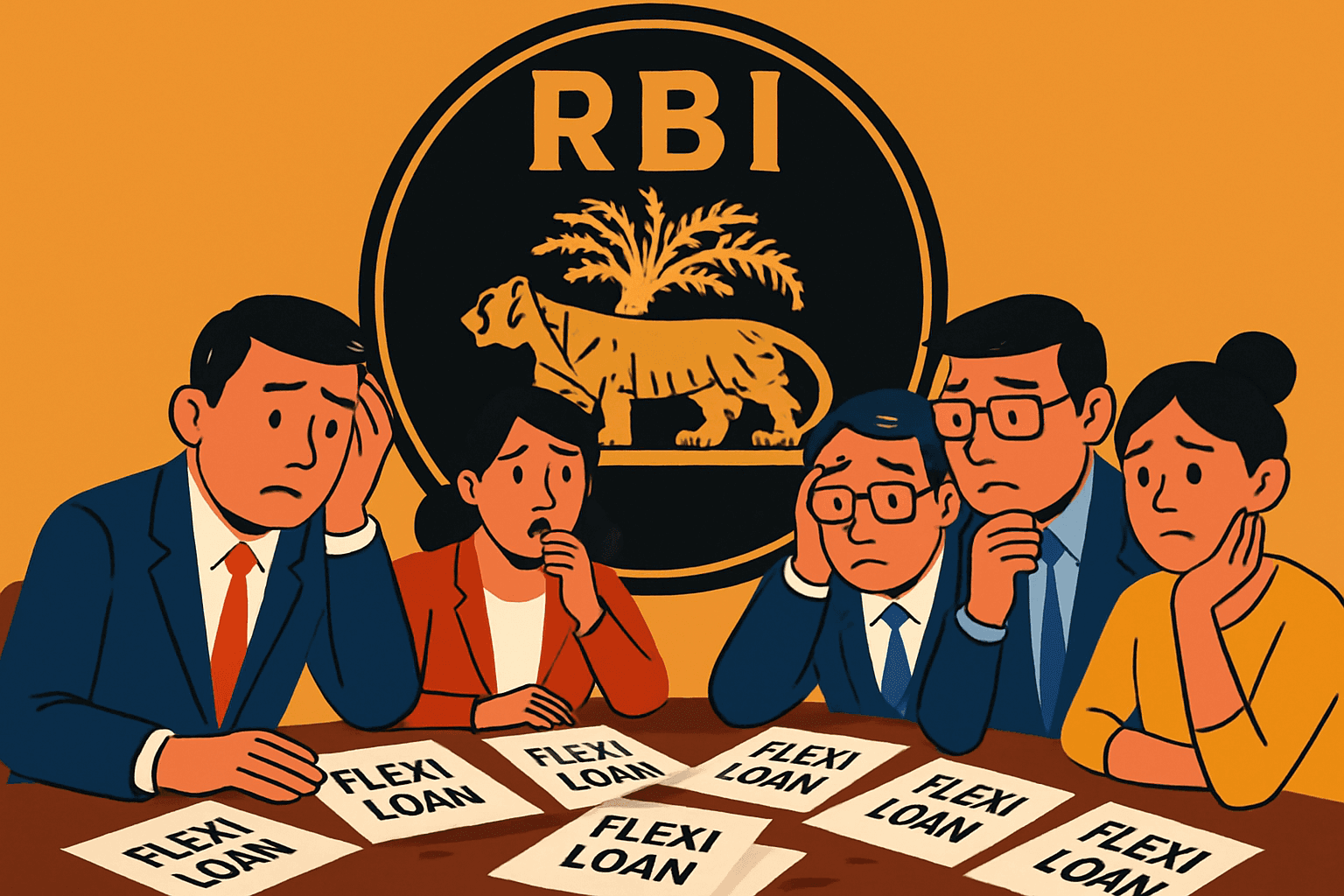
RBI’s Flexi Loan Draft: What’s at Stake for Bajaj Finance?
The Reserve Bank of India has proposed a draft guideline on Flexi Loans, which could impact lending giants like Bajaj Finance. These loans, known for their flexible repayment options, may face stricter regulations aimed at protecting consumers. While this is beneficial for borrowers, it raises concerns for lenders about profitability and operational shifts. Companies like Bajaj Finance must adapt rapidly to these potential changes or risk losing their competitive edge. Let's dive deeper into the implications of these would-be regulations.

The $110 Million Question: How Safe Are Your Crypto Wallets?
Bitcoin has cemented itself in the mainstream as an investment asset, but with its recent price drops, the focus shifts back to safety. Despite regulatory recognition in India, many investors remain wary of how best to store their digital treasures. Is there a foolproof way to hold onto your Bitcoin? Let's dive into the world of crypto wallets and explore the options.

Tata Sons Caught in Listing Limbo: What’s Next?
Tata Sons is at a crossroads as it stands classified as an upper-layer NBFC, which comes with a mandate for a stock market listing. While the Reserve Bank of India reviews its deregistration application, Tata Trusts prefer keeping the company private, contrasting with the Shapoorji-Pallonji Group's push for a listing to unlock value.
SBI Holds Firm on Loan Growth Goals Amid Broad-Based Credit Surge
The State Bank of India (SBI) is optimistic about its loan growth trajectory, sticking to its guidance of 14-15% for FY27. With broad-based credit growth across various segments and a plan to bolster its foreign-currency deposits, SBI shows confidence in its financial health despite concerns about potential economic factors like the El Nino phenomenon. Their net interest margins hover at a steady 3%, keeping things calm in the banking sphere.

Retail Loans Drive Non-Banking Finance Company Credit Surge
In June, non-banking finance company (NBFC) credit soared by 14.4%, reaching ₹59.3 lakh crore, spurred largely by retail loans. Housing, vehicle, and gold loans all contributed to this growth. As credit to the industry and services sectors also expanded, the trend indicates a flourishing lending environment, particularly in the retail space.

Gold Loans Soar: NBFCs Enjoy Nearly 70% Growth
Gold-backed loans from non-banking financial companies (NBFCs) surged nearly 70% year-on-year, hitting a whopping Rs 3.41 lakh crore by June 2026. This growth outstripped that of other retail loans, while housing and vehicle loans also showed decent progress. Meanwhile, the Reserve Bank of India has tightened regulations for these gold-backed loans, causing a shift in focus from industry and services credit growth, which has seen a moderation.

NBFC Sectoral Credit Deployment Sees Upward Trend in June 2026
The latest data from the Reserve Bank of India reveals that non-banking financial companies (NBFCs) have experienced a robust growth in credit deployment, with a year-on-year increase of 14.4% in June 2026. This marks a significant uptick from last year's 11.1%, indicating a positive trend in lending across various sectors, particularly in agriculture and housing finance.

Decoding UPI MDR: Who Pays the Bill?
The Indian government has made it clear that UPI (Unified Payments Interface) will continue to be free for consumers and small merchants. However, under the new rules, a Merchant Discount Rate (MDR) may apply to select transactions that exceed a certain amount. This means while most day-to-day payments remain cost-free, larger transactions could attract fees – but don’t worry, it won’t be your average chaiwala who gets hit!

SBI Plays Catch-Up in Digital Payments Arena with YONO Pay
State Bank of India's Chairman, CS Setty, acknowledges that the bank fell behind in digital payments, particularly with UPI transactions. As SBI works to enhance its YONO Pay app, there’s emerging debate within the banking sector about potential charges for UPI merchant payments, driven by increasing costs.
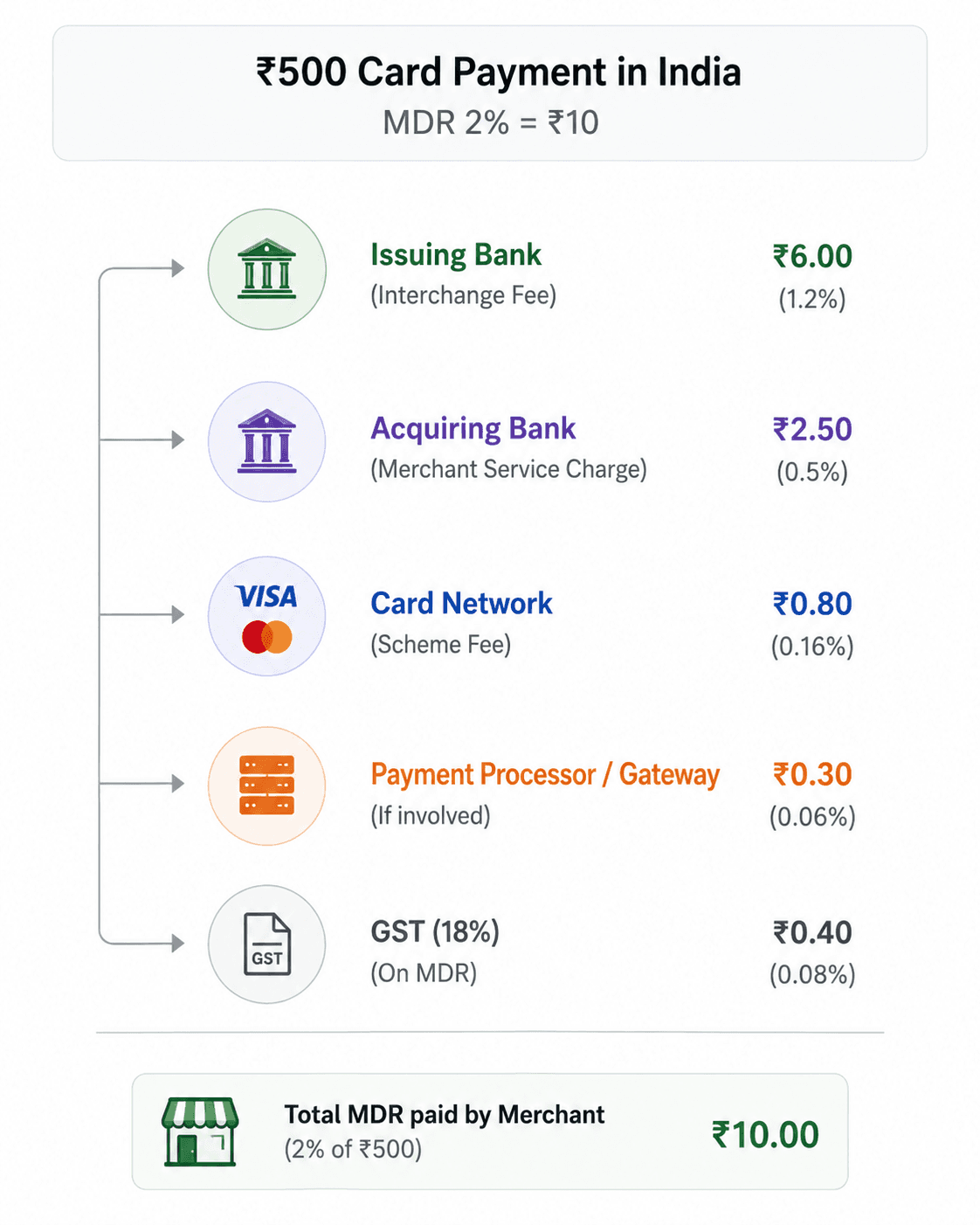
The Biggest Myth About Card Payments: Visa & Mastercard Aren't Taking Most of Your Money
Many believe that Visa and Mastercard take the lion's share of the fees whenever a credit card is swiped. However, the truth is far more nuanced. This article explores how Merchant Discount Rates are divided among various players in the payment ecosystem, explaining the roles of banks, payment gateways, and card networks. Understanding these dynamics reveals that the actual share taken by Visa and Mastercard is quite small, as most of the fees are retained by issuing banks and other payment facilitators.
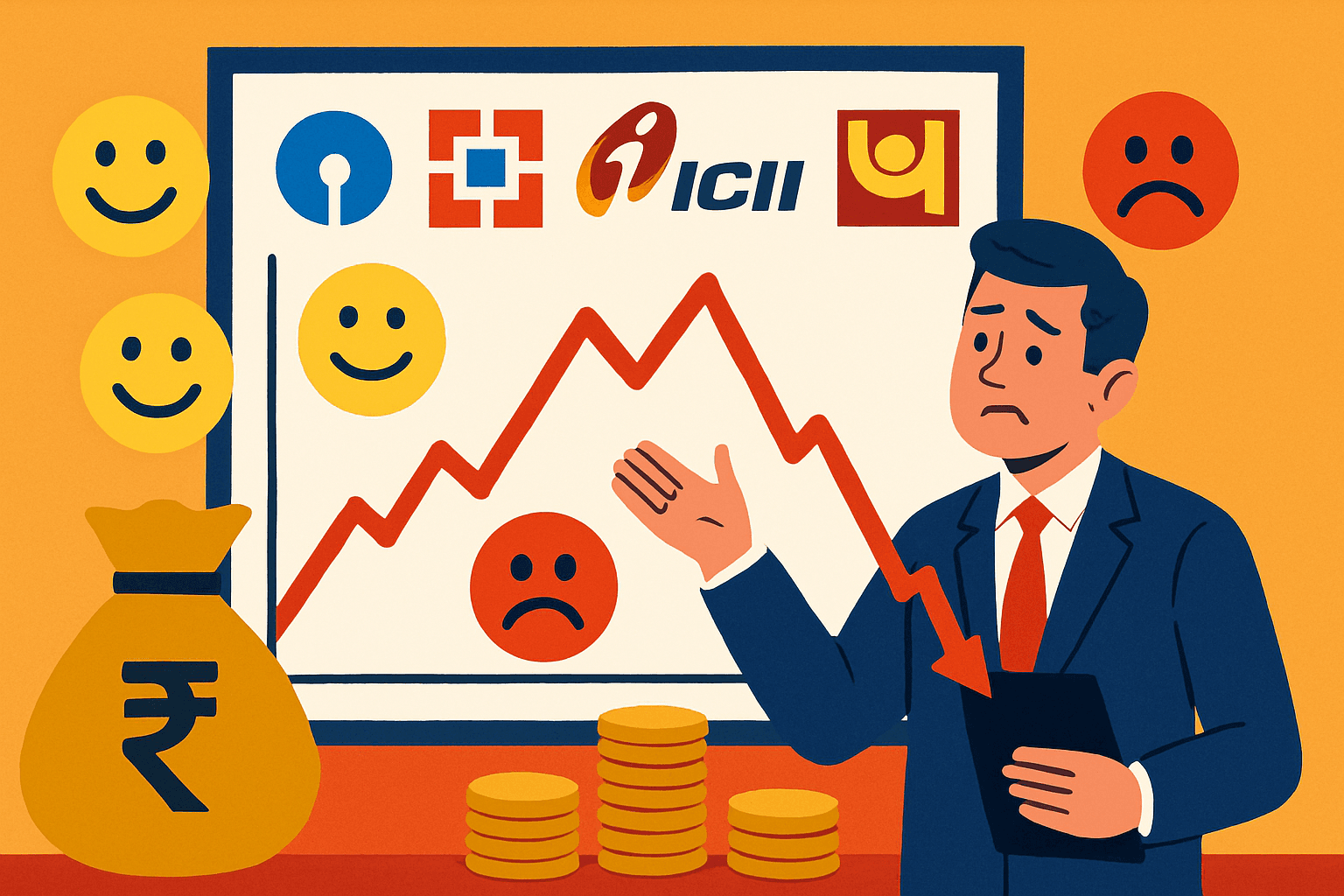
The Q1 Banking Numbers Are In – What Do They Tell Us?
As banks start to share their Q1 FY27 profits, some have shown impressive growth while others face challenges. PNB has seen the most significant year-on-year growth at an astounding 213%, while SBI leads with the highest absolute profit figures. Let’s break down the key numbers and trends.

Harnessing the Future: The Role of AI Agent Managers in Indian Banking
AI Agent Managers serve as the central intelligence layer for coordinating specialized AI Agents in Indian banking, enhancing efficiency in tasks like customer service and fraud detection. By streamlining operations and improving governance, they pave the way for a more integrated banking experience, adapting to the fast-paced digital landscape.

Understanding Financial Inclusion: A Key to Empowering Communities
Financial inclusion is not just a banking buzzword; it’s a powerful movement aiming to provide access to affordable financial services for all, including the underserved. In India, where a significant portion of the population remains unbanked, initiatives to promote financial inclusion are gaining momentum. This article breaks down what financial inclusion means, why it matters, and who benefits from it.

Understanding Probate in India: A Simplified Guide for Inheritors
Probate isn't the strict requirement it used to be for inheriting property in India after a 2025 amendment. However, it still plays an important role in validating wills and minimizing disputes among heirs. This article explains what probate is, how it differs from a succession certificate, and the process if someone dies without a will. Discover the ins and outs of probate so you can navigate inheritance with ease.

PVR INOX Unveils Smart Cinemas: A Movie Revolution in Tier III Cities!
PVR INOX is set to transform movie-going in Tier III cities with its new Smart Cinemas. This initiative aims to provide an affordable yet premium movie experience, starting with its first location in Muzaffarpur, Bihar. Affordable ticket prices combined with quality screenings could make cinema outings more accessible to the masses!

HDFC Bank CEO: No US Lawsuits Yet, Strong Governance Assured
HDFC Bank's CEO has reassured shareholders about the bank's solid governance following recent scrutiny, clarifying that no lawsuits have been filed in the US. The management expressed confidence in their readiness to defend the bank's actions, emphasizing its robust financial health and successful integration with HDFC Limited.

Kotak Predicts Balance of Payments Surplus by FY27: What It Means for India
Kotak Mahindra Bank forecasts a Balance of Payments surplus for India by FY27, buoyed by increased foreign direct investment and robust capital inflows. With headline inflation revised down to 5%, the economic outlook appears rosy, despite a potential rate hike later this year.

RBI's Steady Rates: A Silver Lining for Credit Growth
The Reserve Bank of India has kept its benchmark repo rate steady at 5.25%, a move welcomed by bankers who see this as a positive indicator for credit growth and economic stability. With raised economic growth forecasts and lowered inflation projections, the RBI is promoting a favorable environment for lending and financial inclusion.

UPI Transaction Charges: Still on the Table, But Not on the Menu Yet
As discussions around UPI transaction charges heat up, Reserve Bank Governor Sanjay Malhotra says it’s too soon to make any decisions. Meanwhile, the government is looking into potential legal amendments to introduce merchant discount rates for specific UPI deals. All while the push for more UPI adoption continues!

Government Plans to Introduce Fees on UPI Payments Over ₹2000 – What You Need to Know
The Indian government is considering introducing fees for UPI transactions exceeding ₹2000, a move that has sent shockwaves through the digital payments landscape. While this may help regulate the booming UPI ecosystem and ensure financial stability, users are concerned about potential costs. In this article, we break down the implications of this proposal and what it might mean for your everyday transactions.

Chasing FIRE: Lessons from Zindagi Na Milegi Dobara on Retirement Planning
In the inspirational journey of Zindagi Na Milegi Dobara, Arjun Saluja exemplifies the FIRE (Financial Independence, Retire Early) movement. However, the journey doesn’t end with early retirement; it requires strategies to protect your finances for years to come. A lower withdrawal rate and creating a safety margin in your retirement corpus are essential for surviving the inevitable economic swings over decades. Let’s dive into how we can protect our financial future while living life to the fullest.

E-Shram Portal Hits Milestone: 31 Crore Workers Registered!
The e-Shram portal has reached a remarkable milestone, with over 31.82 crore unorganised workers registering to access essential social security schemes and welfare services. This government initiative streamlines access to various resources, empowering workers in sectors often overlooked.

Everything You Need to Know About the Unified Pension Scheme
The Unified Pension Scheme (UPS), launched in April 2025, aims to ensure a reliable income for retirees. With over 1.18 lakh beneficiaries already on board, this optional pension under the NPS is gaining traction. Here's a breakdown of its objectives, eligibility, contribution structure, and key benefits.
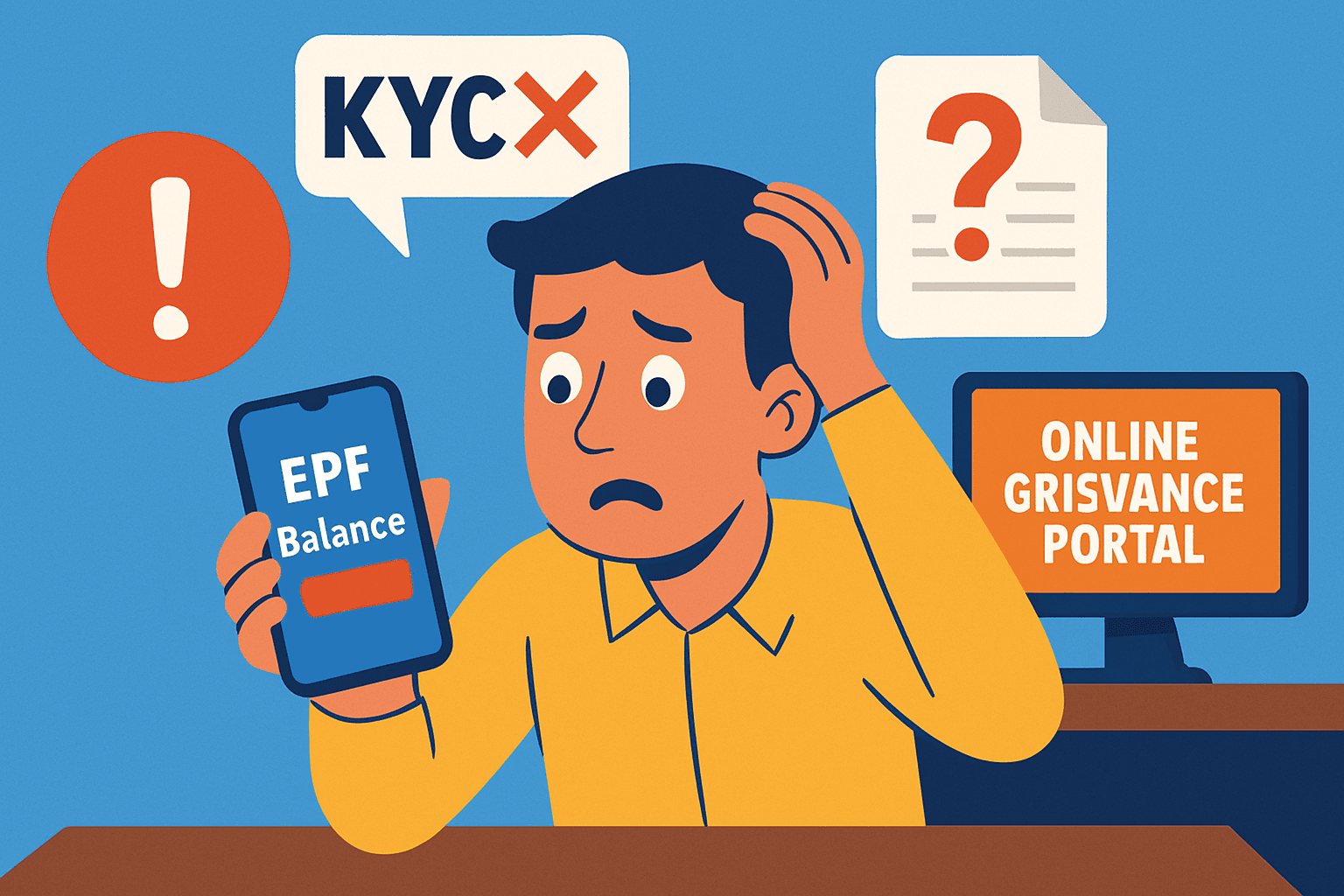
EPFO Grievances? Here’s Your Step-by-Step Guide to Filing Complaints Online
Are unresolved claims, KYC errors, or incorrect balance spoiling your day? EPFO members don’t have to stress! Here’s a simple guide to file your grievances online. From step-by-step processes to customer care alternatives, we cover it all. Let’s get those issues sorted!

Data Delight: Credit to Tech Infrastructure Sector Doubles in Two Years
India's technology infrastructure sector has seen an astonishing doubling in bank loans over the past two years, underscoring its growing significance as a global hub for data centers. Key drivers of this increase include IT services, digital infrastructure, and a robust demand for data centers and IT-enabled services. This growth presents a promising outlook for the sector as it continues to attract substantial financial support from banks.
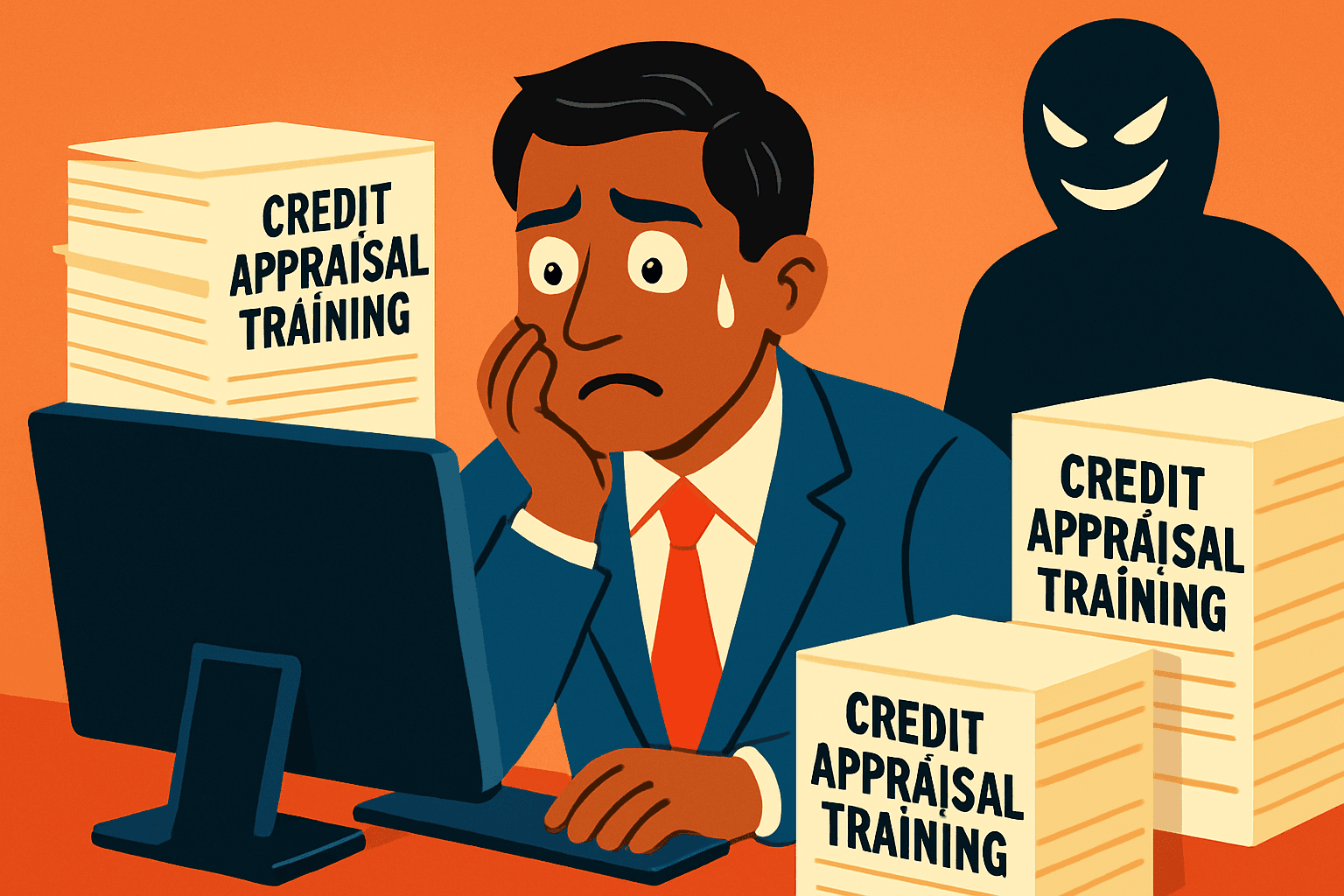
CVC Warns Banks: Train Up or Suffer Fraud Fallouts
The Central Vigilance Commission (CVC) has identified inadequate training in credit monitoring as a major contributor to fraud in the banking sector. In a proactive push, the CVC has urged banks to enhance their training programs to ensure vigilant credit appraisal and monitoring practices. Action reports are expected by November 30 as part of the campaign to improve public administration.

HSBC India Profits Edge Up as Corporate Banking Shines
HSBC India has reported a 4% rise in profits for the first half of 2026, largely driven by a boom in its corporate and institutional banking sectors. However, its wealth and premier banking divisions took a hit. The bank is also making headlines for its success in mobilising foreign currency deposits under a special RBI scheme.

Monsoon Blues: Microfinance Lending Takes a Dip
India's microfinance sector is reeling from an uneven monsoon, leading to a contraction in lending. With rural demand dropping and lenders exercising caution, the sector's portfolio shrank by four percent to ₹3.26 lakh crore by the end of June. As farmers battle unpredictable rainfall, the future of microfinance hangs in the balance.

Banks Propose New 'Yes-No' Prompts for UPI Transfers to Tackle Digital Fraud
In response to rising digital payment frauds, Indian banks have proposed a 'Yes-No' prompt system for high-risk UPI transactions. The goal is to balance security and user convenience, with the Reserve Bank of India weighing these suggestions for future guidelines.

Payment Bill Rekindles Merchant Discount Rate Hopes for Large-Value UPI
The Indian government is considering amendments to the Payment and Settlement Systems Act that may see the return of Merchant Discount Rates (MDR) for large-value UPI transactions. This move aims to help banks and fintech companies recover investments in technology and infrastructure, especially for transactions over 2,000 rupees. The reintroduction could create a revenue stream for payment companies without causing significant disruption.

Understanding the Bankers’ Book Bill: Why It Matters and What You Need to Know
The Bankers’ Book Bill aims to modernize banking practices in India by allowing banks to maintain electronic records of transactions, streamlining processes and reducing fraud risks. This important legislation not only promises to improve the efficiency and transparency of banking operations but also helps protect consumers by ensuring better data management and access. As this bill moves through Lok Sabha, its implications are vast for both financial institutions and their clients.
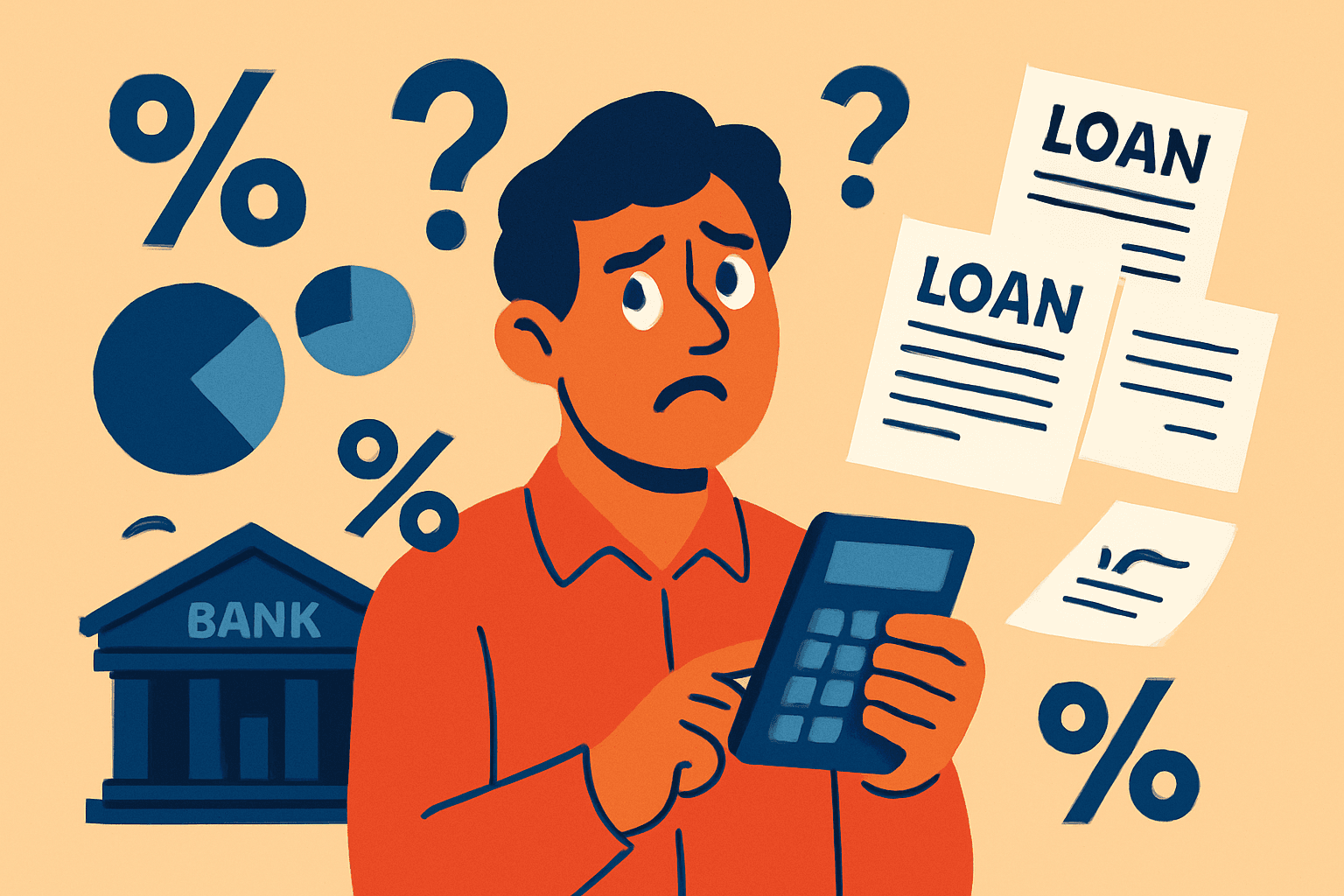
Mastering Your Home Loan: The Essential Maths for Every Indian Borrower
Understanding the key elements of home loans, like EMI calculation, amortization, and the impact of prepayment, is crucial for every borrower in India. Knowing how these factors work together can significantly reduce your overall borrowing costs. From the decreasing interest on a reducing balance to how repo rate fluctuations affect your payments, a little knowledge can go a long way in making your home loan journey smoother and more economical.

India's Retail Credit Revolution: A Decade of Doubling Access
India has witnessed a remarkable expansion in its formal retail credit market over the last decade. Access to formal credit has surged from 35% of the population in 2017 to an expected 74% by 2026. This growth is largely attributed to consumption-led loans, which have shifted borrowing from traditional asset purchases to lifestyle spending.

RBI Fights Fake Currency with New Measures for Banks Near Borders
In a bid to tackle counterfeit currency, the Reserve Bank of India (RBI) has mandated that banks operating near international borders install currency detection machines and train their staff on security features by 2026. This initiative also emphasizes analyzing fake note data to enhance identification and reporting.

Strong Loan Growth Signals Robust Economic Activity
Recent data from the Reserve Bank of India (RBI) reveals that banking credit is flourishing, with a year-on-year boost of 19.2% for industries and a 16% rise in personal loans. Medium enterprises are leading the charge with a staggering 30% growth, while sectors such as petroleum and gems show promising expansion. Gold loans have also emerged as the hottest trend in personal borrowing.
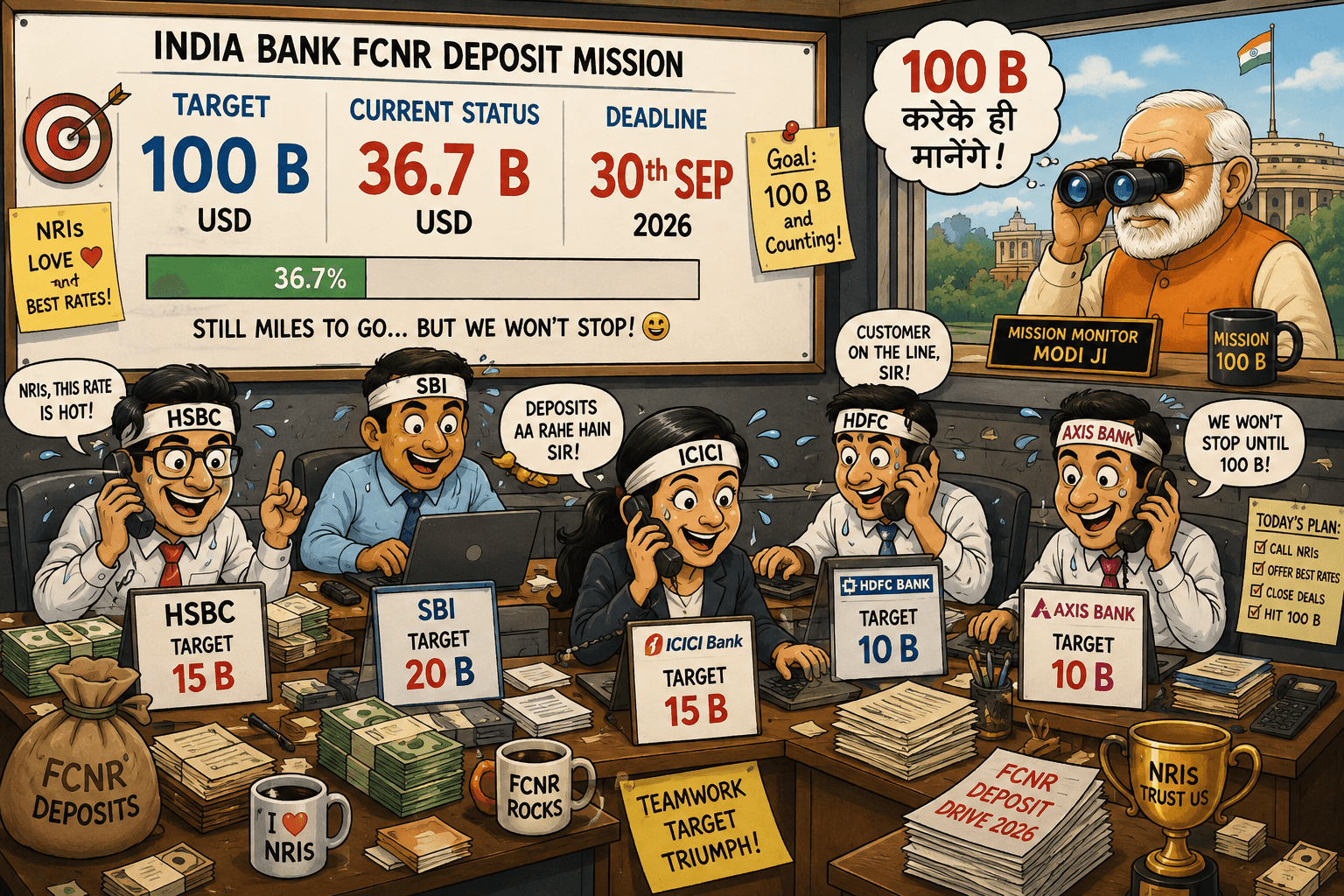
The FCNR Deposit Rate Race: Who’s Luring Desi NRIs with the Best Rates?
As Indian banks compete to attract NRIs (Non-Resident Indians) with high FCNR (Foreign Currency Non-Resident) deposit rates, we take a closer look at this banking trend. Banks are playing a playful game, enticing NRIs to make the most of their savings while keeping their foreign currency safe. The competition heats up as banks try to outdo each other in offerings, painting a light-hearted picture of the banking sector's tactics.

Zepto Postpones IPO: Who Needs Funds When You Have Delivery Speed?
Zepto, the quick grocery delivery startup, recently announced that it has decided to delay its initial public offering (IPO) plans. While the startup has enjoyed a meteoric rise thanks to its lightning-speed deliveries, potential investors are left wondering if the delay hints at deeper issues within the company or the broader market. In this article, we explore what this postponement may signify for Zepto and the rapidly evolving sector it operates in.

UPI Fraud Explained: The Scams Behind the Convenience
Most UPI fraud isn't a system hack at all - it's social engineering that tricks users into authorizing their own losses, usually by disguising a payment request as something else entirely.

How Fraud Detection Works: The Invisible Guard on Every Transaction
Every card swipe and UPI payment is silently scored for fraud risk in real time, comparing it against a customer's normal behavior before the transaction is ever approved.
Neo Banks in India: Innovation Without a Banking License
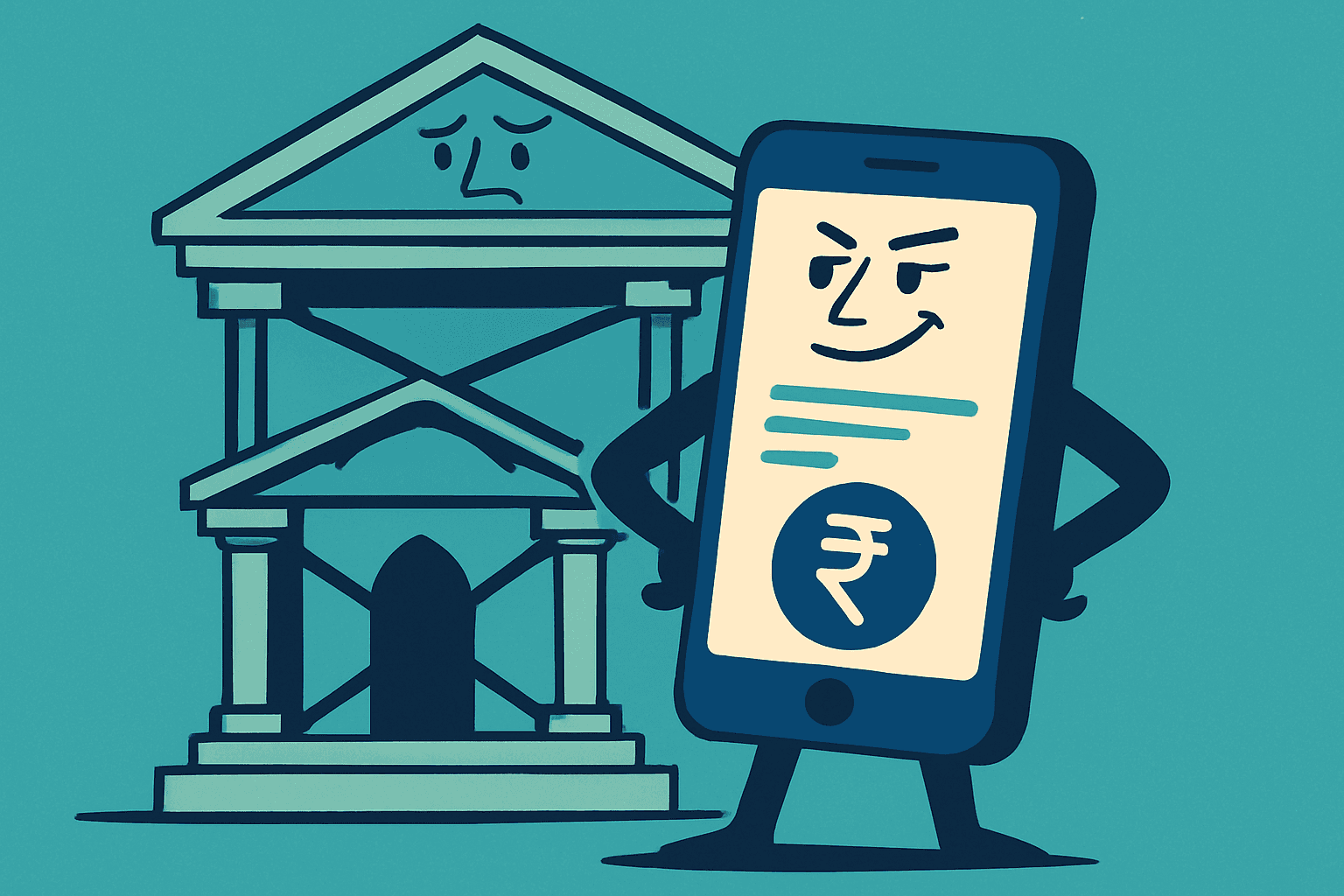
India's neo banks don't hold banking licenses of their own - they partner with licensed banks behind the scenes and compete purely on product experience.

The Future of AI in Banking: Beyond the Chatbot
AI in Indian banking has moved well past customer-support chatbots into underwriting, fraud detection, and personalization - the real shift is happening behind the scenes, not in the chat window.

Open Banking Explained: Your Data, Shared With Your Permission
Open banking lets a customer securely share their financial data across institutions with explicit consent, powering everything from instant loan approvals to apps that show every bank balance in one screen.

What is CKYC? One ID Check to Rule Every Bank Account
CKYC lets you complete your identity verification once and reuse it across every bank, mutual fund, and insurer in India, replacing the old system where each institution repeated the same paperwork independently.

Minimum Due Explained: The Most Expensive Small Number on Your Bill
Paying just the minimum due keeps a credit card account in good standing on paper, but it's one of the most expensive financial habits available, silently accruing interest on the full remaining balance.

Why Credit Limits Increase (And What It Really Means)
A credit limit increase feels like a reward, and it partly is, but banks raise limits primarily because it's profitable for them, not purely as recognition of good behavior.

UPI Transactions Hit New High: July's Spending Spree
July saw a record number of transactions through the Unified Payments Interface (UPI) in India, with consumers flocking to the instant payment system for everything from groceries to movie tickets. As digital payments continue to gain traction, UPI's rise reflects the changing spending habits of Indian consumers, supported by new features and increasing merchant adoption. This article dives into why July was a landmark month for UPI and what it means for the future of digital payments in India.

Credit Card Billing Cycle Explained: The Free Loan Window
Every credit card purchase sits inside an interest-free window that can stretch up to 45-50 days if timed right, but that window collapses to zero the moment a balance is carried past the due date.

Credit Card Rewards Explained: Who Really Pays for Your Points
Reward points feel free, but they are funded by the merchant fee card networks charge on every swipe - understanding that explains why rewards cards only make sense if you pay your bill in full every month.

How CIBIL Score Works: The Number That Decides Your Loan
Your CIBIL score is a three-digit summary of your repayment behavior, built from your entire credit history, that every lender checks before saying yes to a loan or credit card.

Loan Restructuring Explained: A Second Chance, With Conditions
Loan restructuring lets a struggling borrower renegotiate their repayment terms instead of defaulting outright, but it comes with real trade-offs that show up on the borrower's credit report.

What Happens When a Loan Becomes NPA?
A loan becomes a Non-Performing Asset the moment payments are overdue for 90 days, triggering a set of RBI-mandated responses that reshape how the bank treats that account.

How Home Loans Work: EMIs, Tenure, and the Interest Trap
A home loan's monthly EMI stays constant, but the split between interest and principal inside that EMI shifts dramatically over the loan's life - understanding that shift changes how borrowers think about prepayment.

Personal Loans Explained: The Cost of Borrowing Without Collateral
Personal loans are unsecured, which is exactly why they carry the highest interest rates of mainstream retail credit - the lender is taking your word, and your credit score, as the only guarantee.

Gold Loans Explained: India's Favorite Emergency Credit
Gold loans remain the fastest, most collateral-efficient credit product in India, letting households borrow against jewellery they already own with minimal paperwork and same-day disbursal.

Understanding CRR and SLR: The RBI's Favorite Levers
CRR and SLR are two of the RBI's oldest tools for controlling how much money banks can actually lend out, and small changes to either ripple through interest rates across the entire economy.

NEFT vs RTGS vs IMPS: Which One Should You Actually Use?
India has three separate bank transfer rails - NEFT, RTGS, and IMPS - each with different speed, minimum amount, and cost trade-offs, and most people default to whichever one their banking app shows first without knowing the difference.

UPI vs Cards: Why India Chose a Different Path
Cards took decades to reach mass adoption worldwide because they needed expensive point-of-sale hardware and charged merchants a fee on every transaction. UPI skipped both problems, which is why it overtook cards in India in a fraction of the time.

The Evolution of UPI: How India Rewired Money Movement
UPI went from a niche interbank experiment in 2016 to the backbone of India's daily payments, processing tens of billions of transactions a month and reshaping how the country moves money.