RBI
Everything Bank Talkies has covered in RBI.

Banking Leaders on the Hot Seat: Shaping Reforms for Viksit Bharat 2047
The Indian government is set to form a high-powered committee to steer banking reforms aimed at achieving a 'Viksit Bharat' by 2047. Finance Minister Nirmala Sitharaman highlighted that with non-performing assets (NPAs) at a historic low, now is the time for banks to embrace change. Stakeholders are encouraged to contribute ideas that will shape the future of the banking sector in India.

Bank Unions Gear Up for Nationwide Strike on September 11
Bank unions are on the verge of a nationwide strike on September 11 to advocate for five-day banking and improvements in pensions and incentives. After facing a 'negative attitude' from the government, the unions are ready to escalate their efforts with future strikes planned as well.

India's Banking Sector Poised for Reform: What’s Next?
Finance Minister Nirmala Sitharaman has announced that India's banking sector is ready for its next reform phase, bolstered by low non-performing assets. A High-Level Committee is set to be introduced to ensure that banks align with India's growth ambitions.

RBI’s FCNR U-Turn: Unraveling the Policy Certainty Knots
The RBI's abrupt closure of the special FCNR(B) deposit swap window has triggered concerns among bankers about the stability and predictability of India's investment policies. Originally set to close at the end of September, the window was shut earlier on August 31, leading to questions about the future of dollar borrowings and financial planning for banks.

High-Powered Panel on the Way to Review Indian Banking Sector
A high-powered committee is set to be formed by the Indian government to evaluate the current banking landscape. Finance Minister Nirmala Sitharaman announced the initiative, aiming to address and resolve key issues within the system. This comes as part of a continuous effort to strengthen the financial sector and improve its resilience.

RBI Slaps ₹59.20 Lakh Penalty on IndusInd Bank for Non-Compliance
The Reserve Bank of India has imposed a monetary penalty of ₹59.20 lakh on IndusInd Bank for failing to comply with certain guidelines related to interest rates on deposits and the securitisation of standard assets. This decision underscores the RBI's commitment to ensuring that banking regulations are adhered to diligently.
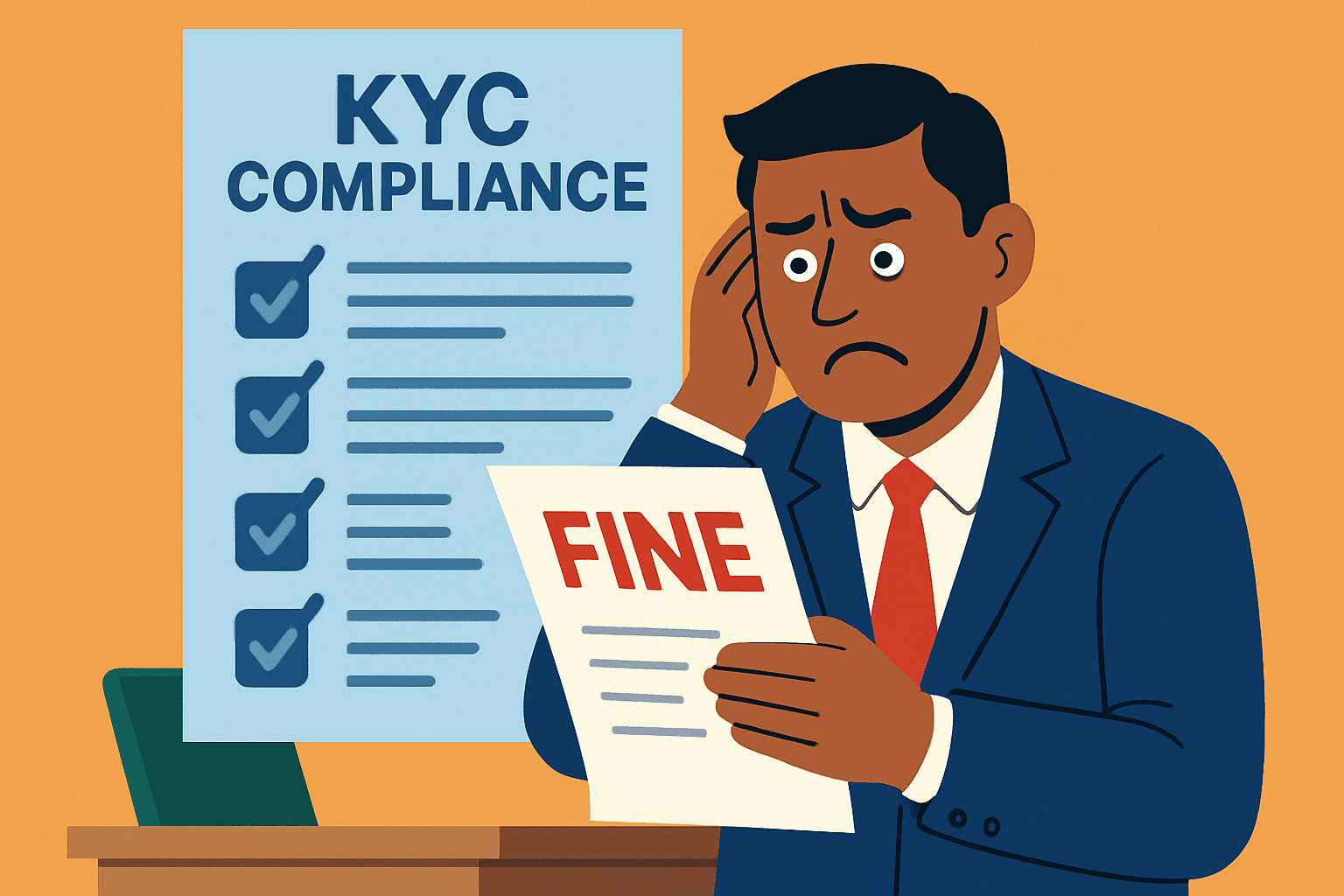
RBI Slaps ₹2.70 Lakh Fine on Fusion Finance Limited for KYC Missteps
The RBI has imposed a ₹2.70 lakh penalty on Fusion Finance Limited for failing to comply with KYC guidelines. This move highlights the bank's commitment to enforce regulations in the financial sector to enhance customer safety and uphold industry standards.

RBI’s New Norms: Banks to Share Loan Rates Monthly – What You Need to Know
The Reserve Bank of India is changing the game for borrowers by requiring banks to disclose their lending rates every month, effective April 1, 2027. This effort aims to provide transparency in loan pricing, making it easier for customers to find the best deals. Floating loans will also need to be reset quarterly, and there will be caps on microfinance and small loan charges.

Indian Bank Deposits Hit Record High: What’s Behind the Surge?
Indian bank deposits have surged by $115 billion in just three fortnights, reaching a record high. This increase primarily stems from foreign currency deposits driven by the Reserve Bank of India's special scheme. With this influx of funds, the banking system is expected to maintain robust credit conditions moving forward.

RBI Holds Latest Overnight Variable Rate Reverse Repo Auction: What You Need to Know
The Reserve Bank of India recently conducted a Variable Rate Reverse Repo auction, with a total notified amount of ₹1,00,000 crore and accepting offers totally worth ₹58,671 crore. The cut-off rate for this auction was set at 5.24%. This auction is part of the RBI’s ongoing measures in monetary policy to manage liquidity in the banking system.

RBI Hits Amravati District Central Co-operative Bank with ₹50,000 Penalty
The Reserve Bank of India has imposed a ₹50,000 penalty on The Amravati District Central Co-operative Bank for failing to comply with KYC regulations and improper bank charge practices. This serves as a reminder for banks to uphold regulatory standards and ensure fairness for their customers.

RBI Sets Date for Upcoming Variable Rate Reverse Repo Auction
The RBI is set to conduct a Variable Rate Reverse Repo auction on August 11, 2026, to manage liquidity conditions. This auction will involve ₹1,25,000 crore for a tenor of three days, with guidelines remaining unchanged from past auctions. Mark your calendars and keep an eye on your wallets!

Indian Banks Seek RBI's Blessing to Spread MTM Losses Over the Year
In light of the recent West Asia crisis causing bond-market turbulence, Indian banks are requesting the Reserve Bank of India (RBI) to allow them to spread their mark-to-market (MTM) losses across the remaining quarters of the fiscal year. This move comes as rising government bond yields significantly impact their treasury income, making it a critical moment for the banking sector.

Understanding Money Market Operations: A Snapshot from August 07, 2026
On August 7, 2026, the Indian money market displayed a vibrant mix of operations, with significant volumes being traded across various segments. The call money segment remained busy, alongside triparty repos and market repos, all reflecting competitive interest rates. This article breaks down the figures and implications of these operations without the fluff.
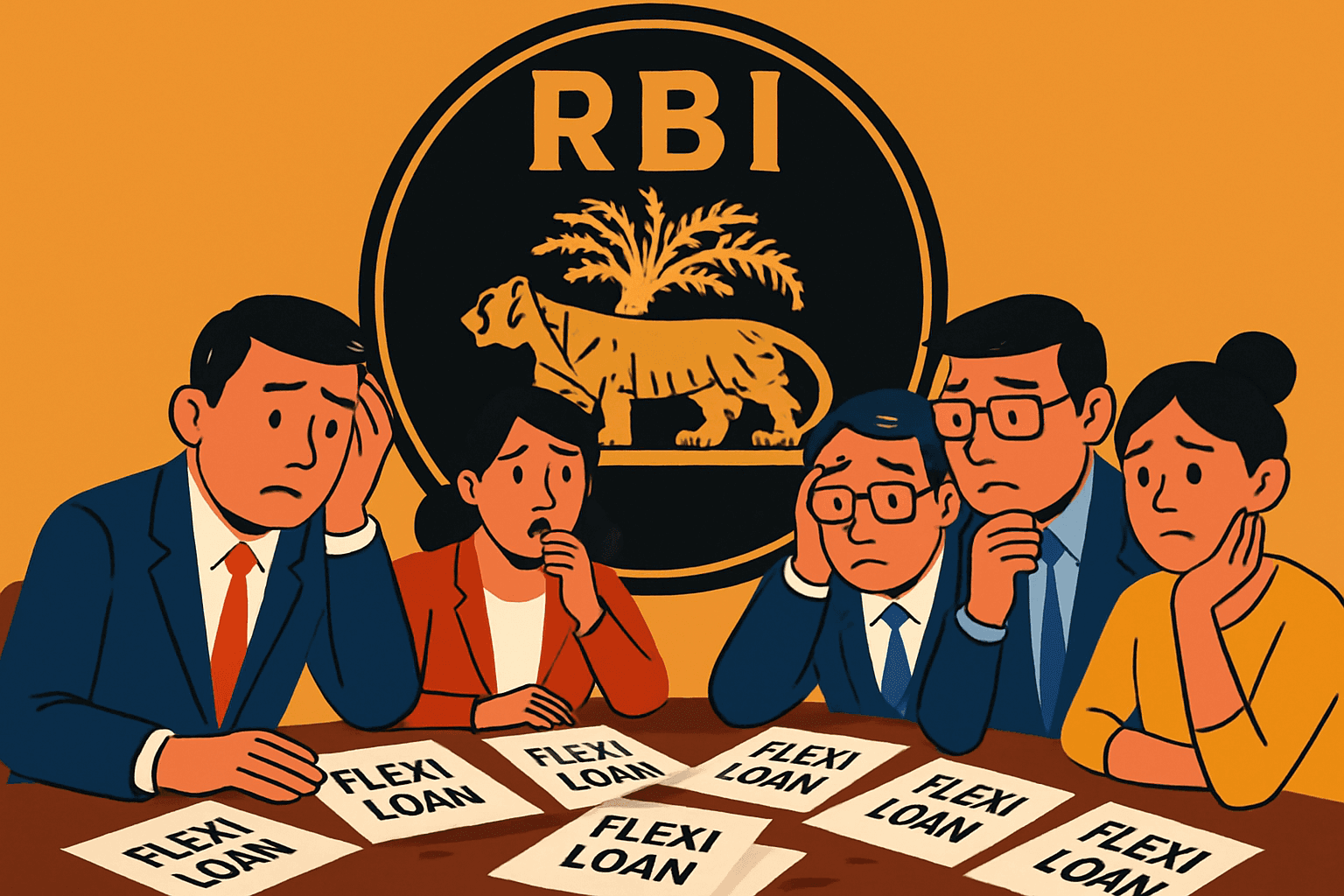
RBI’s Flexi Loan Draft: What’s at Stake for Bajaj Finance?
The Reserve Bank of India has proposed a draft guideline on Flexi Loans, which could impact lending giants like Bajaj Finance. These loans, known for their flexible repayment options, may face stricter regulations aimed at protecting consumers. While this is beneficial for borrowers, it raises concerns for lenders about profitability and operational shifts. Companies like Bajaj Finance must adapt rapidly to these potential changes or risk losing their competitive edge. Let's dive deeper into the implications of these would-be regulations.

Tata Sons Caught in Listing Limbo: What’s Next?
Tata Sons is at a crossroads as it stands classified as an upper-layer NBFC, which comes with a mandate for a stock market listing. While the Reserve Bank of India reviews its deregistration application, Tata Trusts prefer keeping the company private, contrasting with the Shapoorji-Pallonji Group's push for a listing to unlock value.

Understanding Financial Inclusion: A Key to Empowering Communities
Financial inclusion is not just a banking buzzword; it’s a powerful movement aiming to provide access to affordable financial services for all, including the underserved. In India, where a significant portion of the population remains unbanked, initiatives to promote financial inclusion are gaining momentum. This article breaks down what financial inclusion means, why it matters, and who benefits from it.

HDFC Bank CEO: No US Lawsuits Yet, Strong Governance Assured
HDFC Bank's CEO has reassured shareholders about the bank's solid governance following recent scrutiny, clarifying that no lawsuits have been filed in the US. The management expressed confidence in their readiness to defend the bank's actions, emphasizing its robust financial health and successful integration with HDFC Limited.

Kotak Predicts Balance of Payments Surplus by FY27: What It Means for India
Kotak Mahindra Bank forecasts a Balance of Payments surplus for India by FY27, buoyed by increased foreign direct investment and robust capital inflows. With headline inflation revised down to 5%, the economic outlook appears rosy, despite a potential rate hike later this year.

Government Plans to Introduce Fees on UPI Payments Over ₹2000 – What You Need to Know
The Indian government is considering introducing fees for UPI transactions exceeding ₹2000, a move that has sent shockwaves through the digital payments landscape. While this may help regulate the booming UPI ecosystem and ensure financial stability, users are concerned about potential costs. In this article, we break down the implications of this proposal and what it might mean for your everyday transactions.

Understanding the Bankers’ Book Bill: Why It Matters and What You Need to Know
The Bankers’ Book Bill aims to modernize banking practices in India by allowing banks to maintain electronic records of transactions, streamlining processes and reducing fraud risks. This important legislation not only promises to improve the efficiency and transparency of banking operations but also helps protect consumers by ensuring better data management and access. As this bill moves through Lok Sabha, its implications are vast for both financial institutions and their clients.
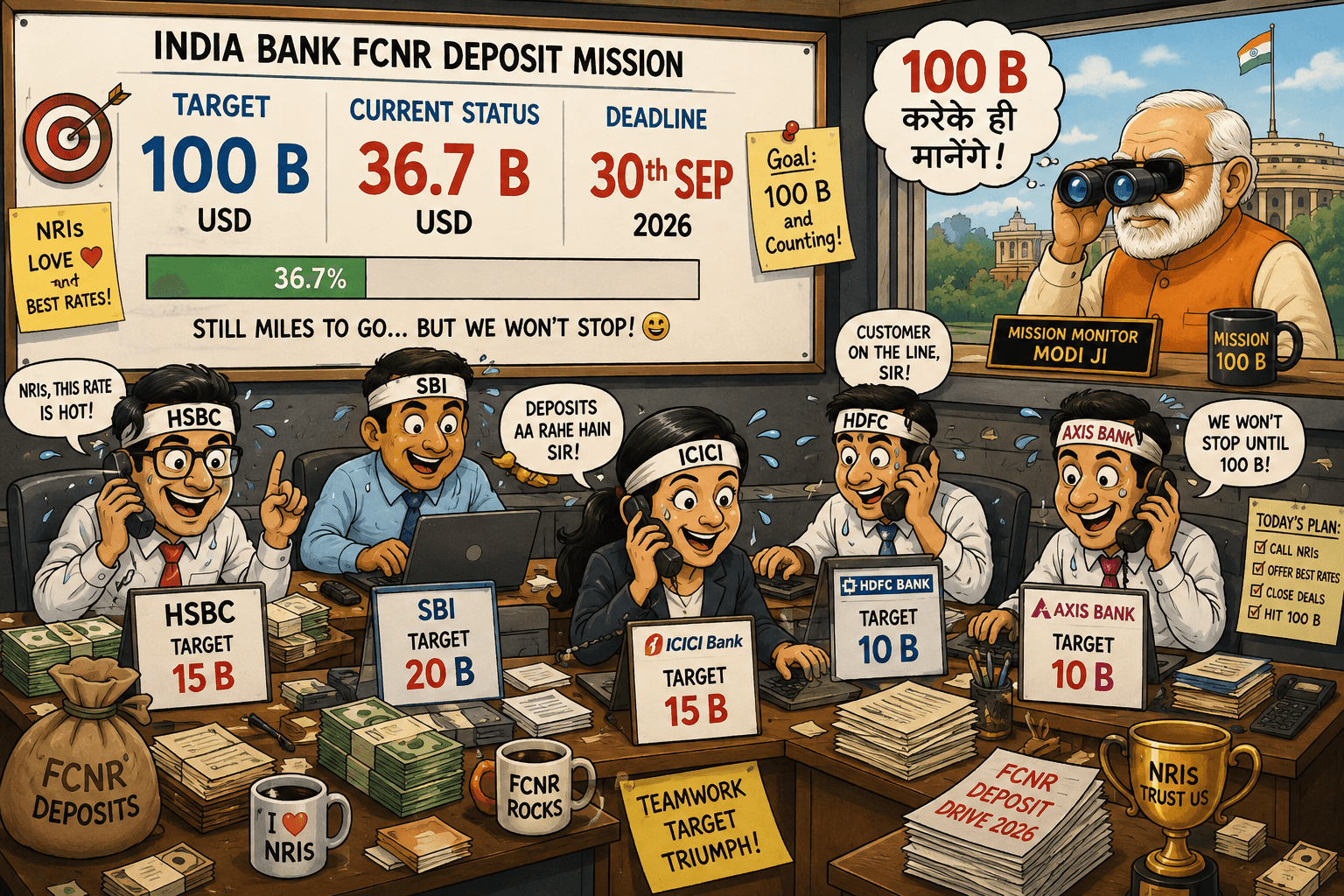
The FCNR Deposit Rate Race: Who’s Luring Desi NRIs with the Best Rates?
As Indian banks compete to attract NRIs (Non-Resident Indians) with high FCNR (Foreign Currency Non-Resident) deposit rates, we take a closer look at this banking trend. Banks are playing a playful game, enticing NRIs to make the most of their savings while keeping their foreign currency safe. The competition heats up as banks try to outdo each other in offerings, painting a light-hearted picture of the banking sector's tactics.

Understanding CRR and SLR: The RBI's Favorite Levers
CRR and SLR are two of the RBI's oldest tools for controlling how much money banks can actually lend out, and small changes to either ripple through interest rates across the entire economy.