Credit Card Billing Cycle Explained: The Free Loan Window
Careers
Banking & FinTech Jobs, curated daily
Open roles across banks, NBFCs, and fintechs - filter by category, experience, and salary.
2 Minute Summary
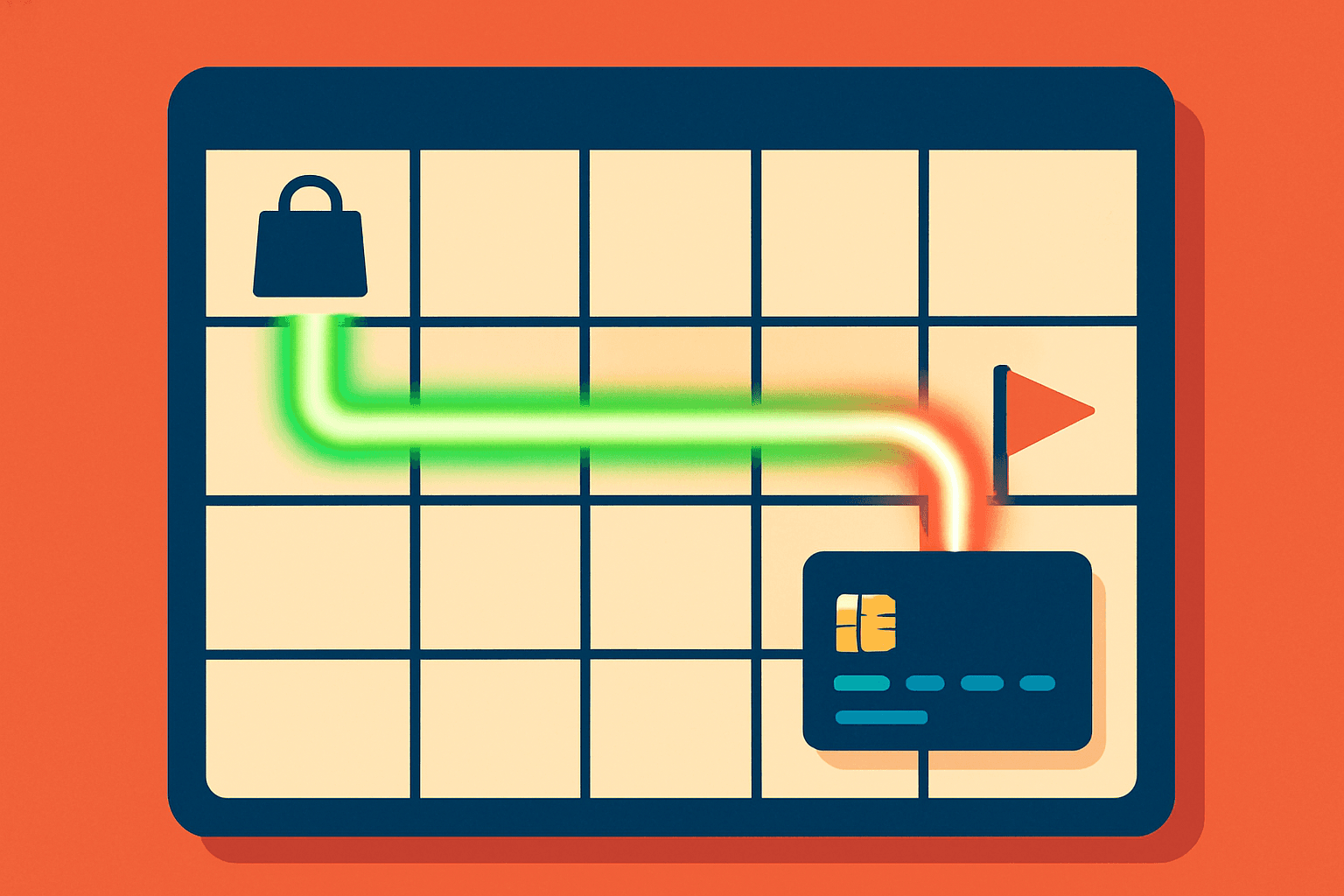
Every credit card purchase sits inside an interest-free window that can stretch up to 45-50 days if timed right, but that window collapses to zero the moment a balance is carried past the due date.
A billing cycle is typically a 30-day window during which purchases accumulate onto a statement. At the end of the cycle, the bank generates a statement, and the cardholder gets roughly 15-20 more days, the grace period, to pay it off before interest kicks in.
A purchase made right after a new billing cycle starts gets the longest possible interest-free window - the full cycle plus the grace period, which can add up to 45-50 days of using the bank's money for free.
The same purchase made the day before a statement closes gets almost no extra runway, since it's captured right at the edge of the cycle with only the grace period left before payment is due.
Miss the due date, even partially, and most Indian card issuers charge interest from the original transaction date, not just from the due date - wiping out the interest-free benefit retroactively for the entire statement.
Why It Matters
Timing large purchases around the billing cycle can genuinely extend how long you use the bank's money interest-free, at no cost.
Who Benefits
Cardholders who understand their statement date and pay in full get an interest-free short-term loan on every purchase, every month.
Who Is Impacted
Cardholders who miss even part of their due amount lose the grace period entirely and get charged interest retroactively from the purchase date.
Key Takeaways
- ✓A billing cycle plus grace period can offer up to 45-50 days of interest-free credit.
- ✓Purchases made right after a new cycle starts get the longest interest-free window.
- ✓Missing the due date usually triggers interest from the original purchase date, not the due date.