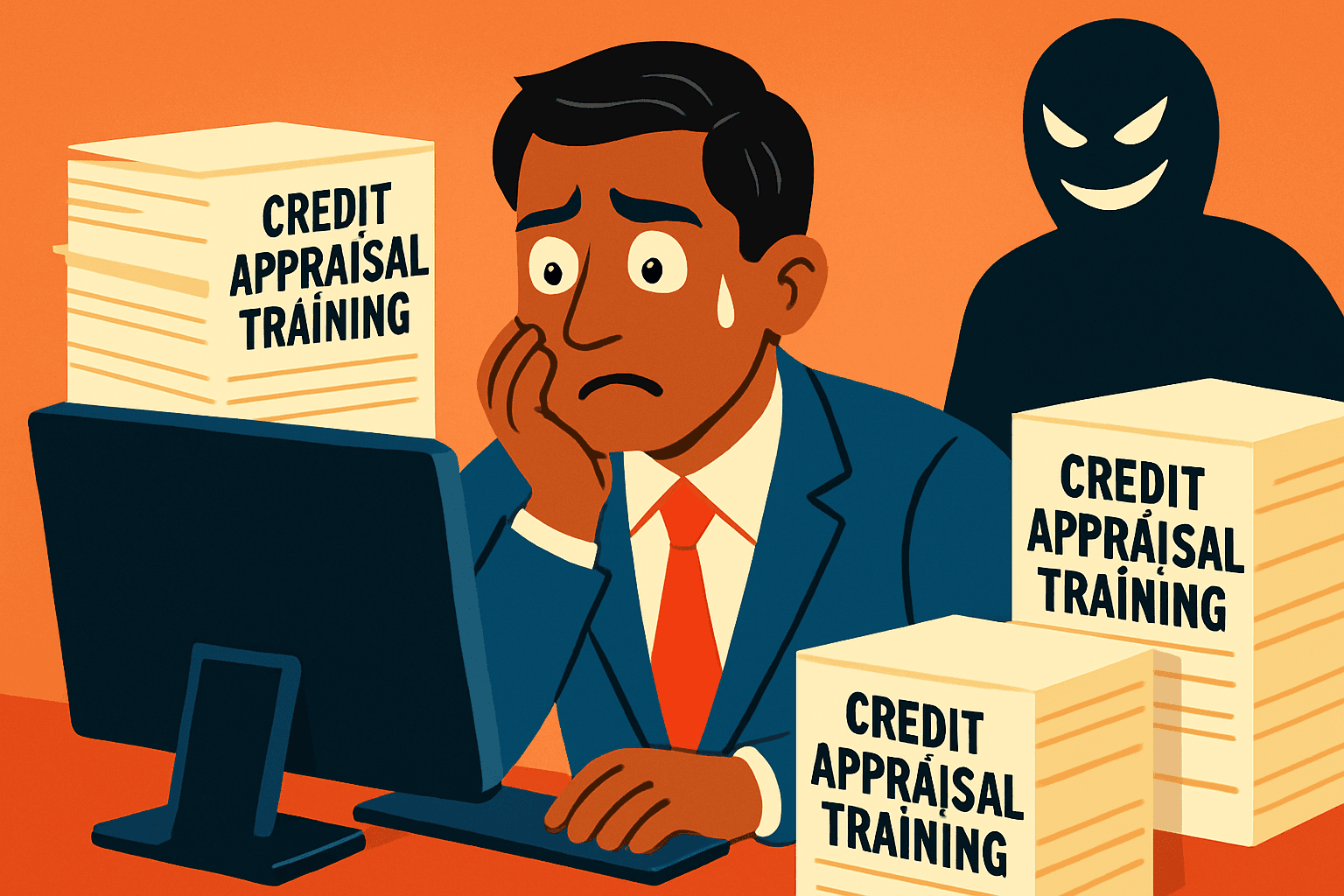
CVC Warns Banks: Train Up or Suffer Fraud Fallouts
Careers
Banking & FinTech Jobs, curated daily
Open roles across banks, NBFCs, and fintechs - filter by category, experience, and salary.
2 Minute Summary
The Central Vigilance Commission (CVC) has identified inadequate training in credit monitoring as a major contributor to fraud in the banking sector. In a proactive push, the CVC has urged banks to enhance their training programs to ensure vigilant credit appraisal and monitoring practices. Action reports are expected by November 30 as part of the campaign to improve public administration.
In a forthright message to the banking sector, the Central Vigilance Commission (CVC) has highlighted a major flaw in credit monitoring practices — the lack of proper training. This revelation comes as part of the CVC's broader initiative aimed at curbing fraud and promoting transparency within public administration. Integrity in banking isn't just a catchy phrase; it requires the right tools and techniques, starting with sound training on credit appraisal.
At the heart of the issue, the CVC points to inadequate credit appraisal processes, which can lead to precarious loan approvals and subsequent frauds. Bank officials often operate under the assumption that experience alone is enough. But without proper training, even seasoned professionals can falter in their assessment abilities. As we’ve reached an age where fraudsters seem to have PhDs in deception, it’s high time banks matched that with robust training programs.
The call to action is straightforward: conduct training sessions focused on enhancing credit monitoring practices. The CVC has set a deadline for banks to submit action taken reports by November 30, significantly emphasizing the urgency of this initiative. If banks wish to remain one step ahead of fraudsters, they need to invest in equipping their teams with the skills necessary to identify problematic patterns before they snowball into significant losses.
Prevention, as the CVC iterates, is better than cure — especially when it comes to managing public trust in financial institutions. The recent advice aims not just to stem the tide of fraud but also to reinforce the integrity of banking operations. As we head into a new financial year, it’ll be interesting to see how seriously banks take this message. Will we see a shift towards more comprehensive training programs? Only time will tell, but the countdown to November 30 has officially begun.
Why It Matters
This issue is crucial as it not only affects the financial health of banks but also the trust of the public in banking systems. Enhanced training means better fraud prevention, leading to a more stable banking environment.
Who Benefits
Ultimately, customers and bank employees will benefit from a more secure banking system, with fewer instances of fraud and a more knowledgeable workforce.
Who Is Impacted
Banks and financial institutions are directly impacted, as well as their customers who stand to lose from potential fraud.
Key Takeaways
- ✓The CVC emphasizes the need for proper training in credit monitoring to prevent banking fraud.
- ✓Inadequate credit appraisal practices are identified as a major issue leading to fraud.
- ✓Banks have been urged to conduct targeted training programs to enhance skills.
- ✓Action reports are due by November 30, emphasizing the urgency of addressing this issue.