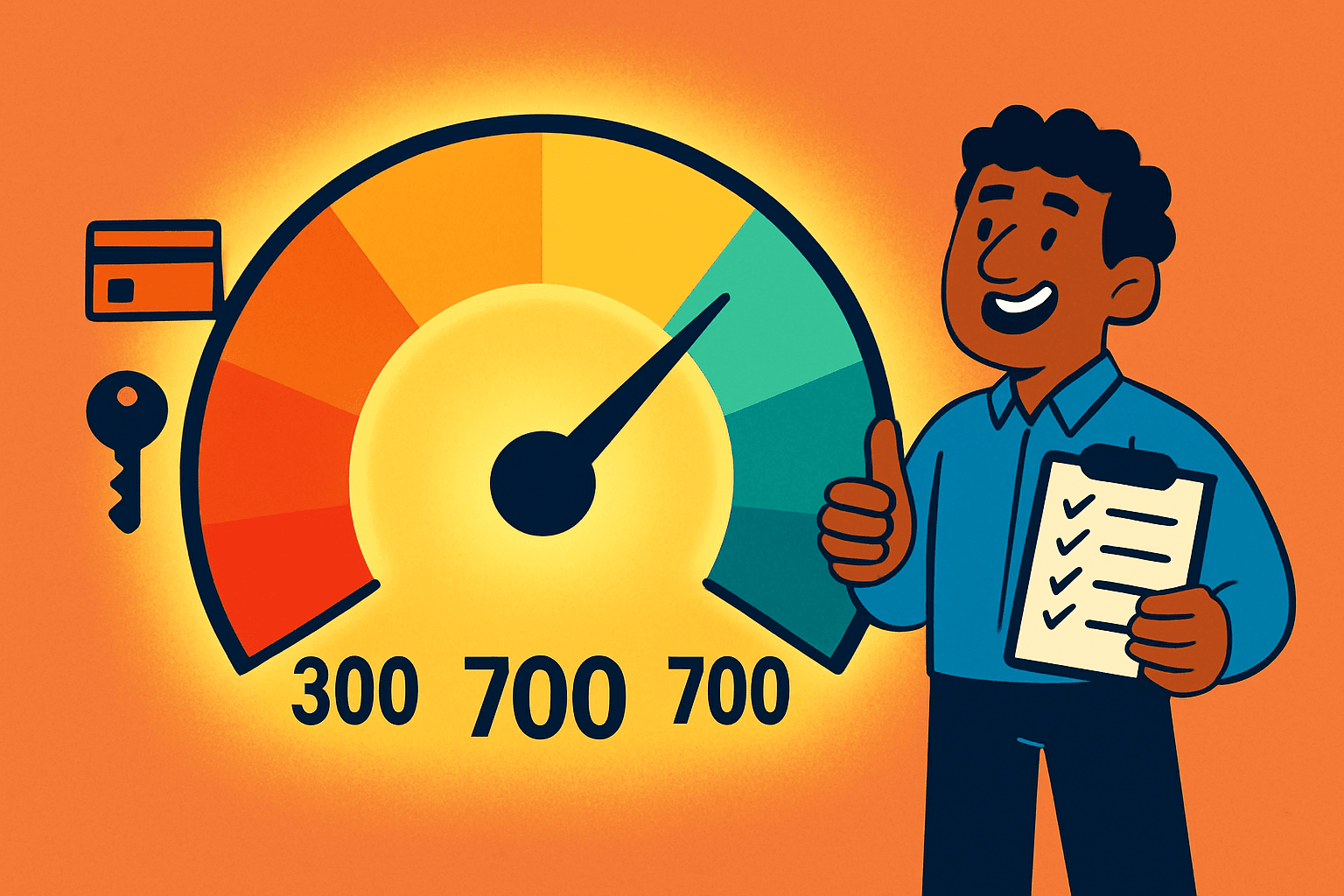
How CIBIL Score Works: The Number That Decides Your Loan
Careers
Banking & FinTech Jobs, curated daily
Open roles across banks, NBFCs, and fintechs - filter by category, experience, and salary.
2 Minute Summary
Your CIBIL score is a three-digit summary of your repayment behavior, built from your entire credit history, that every lender checks before saying yes to a loan or credit card.
CIBIL scores range from 300 to 900, calculated by TransUnion CIBIL using data that banks and NBFCs report every month - every loan, every credit card, every payment made on time or missed.
Payment history carries the most weight in the calculation, followed closely by credit utilization - how much of your available credit card limit you actually use. Maxing out cards regularly hurts the score even if payments are always on time.
The mix of credit types and the length of your credit history also factor in - a borrower with a healthy mix of secured and unsecured credit, held over several years, generally scores better than someone with a single, brand-new credit line.
Checking your own score does not hurt it - that is classified as a soft inquiry. It's only when a lender pulls your report to evaluate a loan application, a hard inquiry, that too many in a short span can nudge the score down slightly.
Why It Matters
It is the single biggest factor in whether, and how cheaply, you can borrow - a 100-point difference can mean a meaningfully different interest rate on the same loan.
Who Benefits
Disciplined borrowers who pay on time and keep utilization low get faster approvals and better rates across every lender.
Who Is Impacted
Missed payments or chronic over-leveraging can lock a borrower out of formal credit for years, pushing them toward more expensive informal lending.
Key Takeaways
- ✓750 and above is generally considered a strong CIBIL score by most Indian lenders.
- ✓Payment history and credit utilization are the two biggest factors in the score.
- ✓Checking your own score is a soft inquiry and does not affect it.