How Home Loans Work: EMIs, Tenure, and the Interest Trap
Careers
Banking & FinTech Jobs, curated daily
Open roles across banks, NBFCs, and fintechs - filter by category, experience, and salary.
2 Minute Summary
A home loan's monthly EMI stays constant, but the split between interest and principal inside that EMI shifts dramatically over the loan's life - understanding that shift changes how borrowers think about prepayment.
Home loans are typically the largest, longest loans an individual ever takes, running 15 to 30 years, secured against the property itself. Because the loan is secured and the amount is large, interest rates run lower than personal loans but the total interest paid over decades can exceed the principal itself.
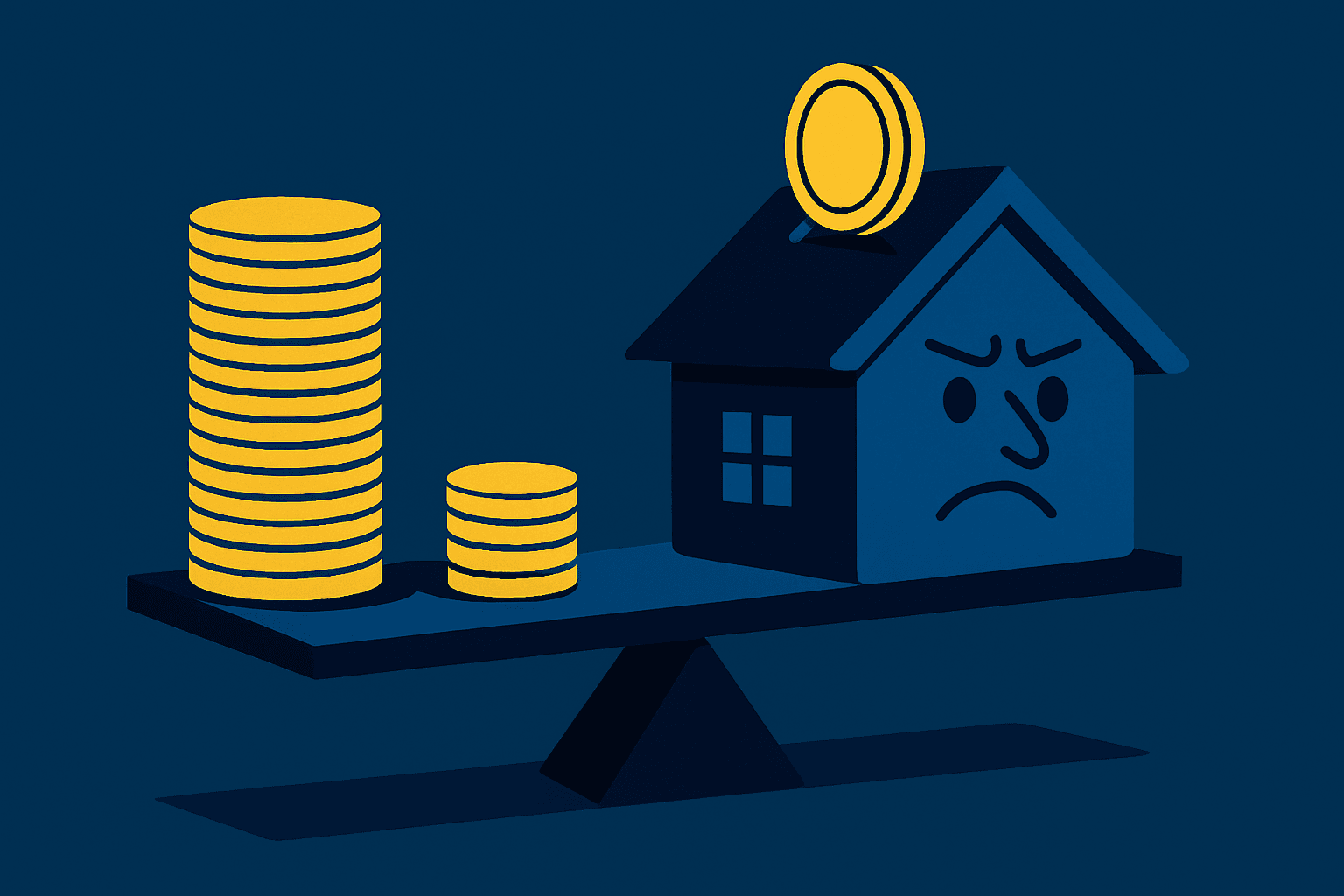
Every EMI is a mix of interest and principal repayment, calculated on the reducing balance. In the early years, the vast majority of each EMI goes toward interest, with only a small sliver reducing the actual loan amount. That ratio gradually flips as the tenure progresses.
This is why prepaying a home loan early, even by small amounts, saves disproportionately more interest than the same prepayment made later in the tenure - the earlier the principal shrinks, the less interest accrues on it going forward.
Most home loans carry floating interest rates tied to an external benchmark like the repo rate, meaning EMIs or tenure can change when the RBI moves rates, which is worth checking before signing.
Why It Matters
Understanding the interest-principal split changes how borrowers approach prepayment and refinancing decisions that can save lakhs over a loan's lifetime.
Who Benefits
Borrowers who prepay early, even in small amounts, save disproportionately on total interest paid.
Who Is Impacted
Borrowers who only pay the minimum EMI for the full tenure end up paying total interest that can rival or exceed the original loan amount.
Key Takeaways
- ✓Home loan EMIs are constant, but early payments are mostly interest, later ones mostly principal.
- ✓Prepaying early saves disproportionately more interest than prepaying later in the tenure.
- ✓Most home loans carry floating rates tied to the repo rate, so EMIs can change over time.