ITAT Chennai Paves the Way for Gratuity Tax Deductions with Common Sense Ruling
Careers
Banking & FinTech Jobs, curated daily
Open roles across banks, NBFCs, and fintechs - filter by category, experience, and salary.
2 Minute Summary
In a recent ruling, the ITAT Chennai has allowed a taxpayer to claim a deduction of ₹79.25 lakh for gratuity, which was initially denied due to an inadvertent error in the Income Tax Return (ITR). The tribunal highlighted that genuine claims should not be hindered by minor errors.
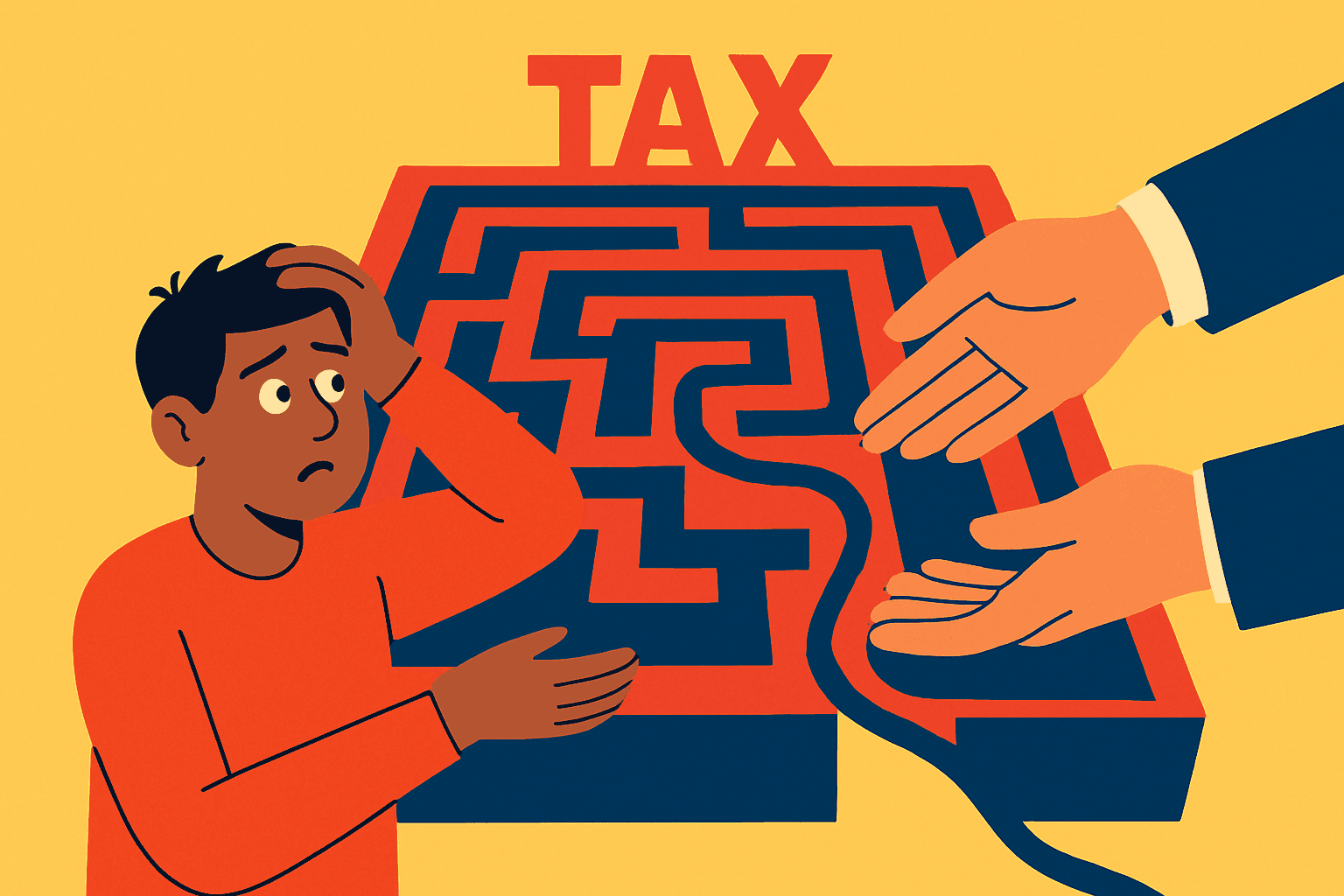
Tax matters can be as tricky as navigating through a maze blindfolded. One small misstep, and your hard-earned money could be stuck in a never-ending hyperloop of bureaucracy. Just ask the taxpayer who recently faced the wrath of tax authorities after their deduction for gratuity was denied. But in a refreshing twist, the Income Tax Appellate Tribunal (ITAT) Chennai stepped in, showcasing a bit of leniency typically absent in financial regulations.
The case revolved around a substantial gratuity amount of ₹79.25 lakh. The taxpayer had entered this figure under the wrong schedule in their Income Tax Return (ITR) and also forgot to include it in their Form 3CD—an essential form for declaring various tax-related details. It was a small slip-up, akin to misplacing your keys just before leaving home, but the tax department’s response felt more like a locked door than a mere inconvenience.
The ITAT, however, exhibited a degree of understanding that might not often be associated with tax rulings. They ruled that denying a legitimate Section 43B claim merely due to a reporting oversight was overly punitive. The section allows for the claim of tax deductions on expenses incurred while facilitating employee benefits, including gratuity. With their ruling, the tribunal has paved the way for taxpayers to breathe a sigh of relief, emphasizing that genuine claims should be acknowledged even if the paperwork isn't perfect.
This decision serves as a reminder to both tax officials and taxpayers that the spirit of the law should sometimes take precedence over the letter of the law. Mistakes can happen, and a little flexibility can go a long way in ensuring fairness in the tax system. The ruling could potentially set a precedent, encouraging careful consideration for minor errors in tax return filings.
Why It Matters
This ruling underscores the need for a sensible approach in tax assessments, ensuring that genuine claims aren't penalized by minor clerical errors. It helps clarify that the ultimate goal should be to facilitate rightful deductions, thus supporting taxpayer rights.
Who Benefits
Taxpayers and professionals seeking clarity and fairness in tax deductions and claims related to employee benefits will find this ruling beneficial.
Who Is Impacted
Taxpayers who may have faced similar issues with incorrect ITR filings will feel empowered by this ruling, knowing they can pursue legitimate claims without fear of undue penalty.
Key Takeaways
- ✓Inadvertent reporting errors shouldn't derail legitimate tax deductions, as affirmed by ITAT Chennai.
- ✓The ruling promotes a more lenient approach to tax filings, encouraging fairness and common sense.
- ✓Taxpayers facing similar situations can take heart from this decision, potentially reclaiming denied deductions.