Monsoon Blues: Microfinance Lending Takes a Dip
Careers
Banking & FinTech Jobs, curated daily
Open roles across banks, NBFCs, and fintechs - filter by category, experience, and salary.
2 Minute Summary
India's microfinance sector is reeling from an uneven monsoon, leading to a contraction in lending. With rural demand dropping and lenders exercising caution, the sector's portfolio shrank by four percent to ₹3.26 lakh crore by the end of June. As farmers battle unpredictable rainfall, the future of microfinance hangs in the balance.
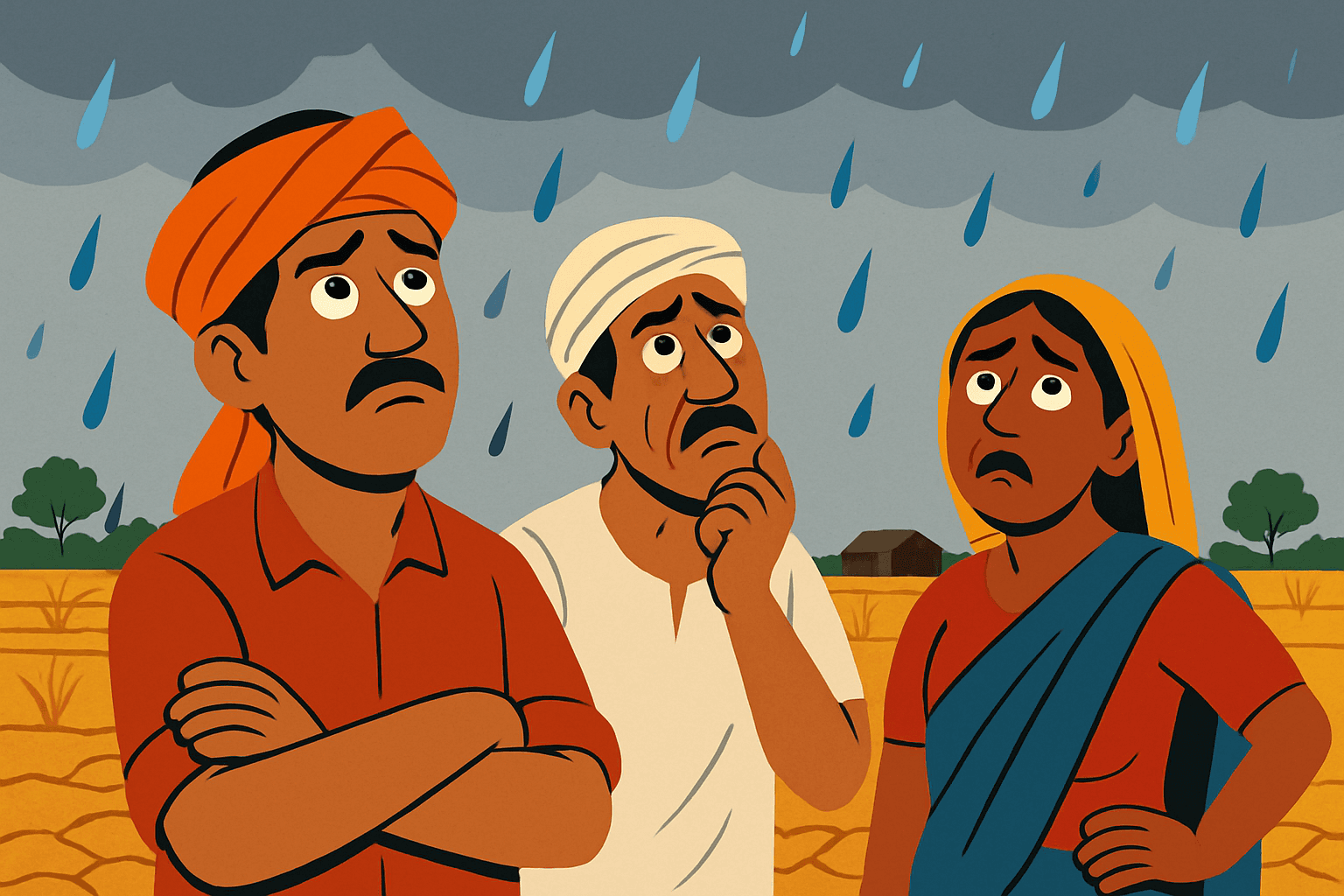
Monsoon may bring blissful rain to parched lands, but this year, it seems to have sprinkled a bit of worry instead. India's microfinance sector, which had once seen promising growth, is now bracing itself for a downturn. The first quarter of this financial year recorded a four percent dip in lending, shrinking the sector's portfolio to ₹3.26 lakh crore by June's end. It's a stark reminder that when it comes to rural finance, weather patterns matter—a lot.
The uneven progress of the monsoon has cast a shadow over rural demand, making lenders think twice before pushing out new loans. Typically, business slows down during the monsoon season, but this year, it appears that the rainfall has brought more than just the usual seasonal hiccups. The unpredictable weather patterns have created an environment of apprehension among lenders, who are now treading carefully as they navigate through these uncertain times.
While the microfinance sector has proven resilient in the face of various economic challenges, the combination of a sluggish rural market and cautious lending practices could spell trouble for aspiring entrepreneurs hoping to tap into this financial lifeline. With the specter of uncertainty looming large, lenders are prioritizing discretion over aggressive growth strategies, a prudent move given the current landscape.
Why It Matters
The contraction in microfinance lending signals challenges for rural economies heavily reliant on these funds for small-scale businesses and agricultural activities. With fewer loans available, the financial strain on rural households may increase, leading to broader economic implications.
Who Benefits
Lenders who prioritize a cautious approach in this unpredictable environment may benefit long-term by avoiding defaults, while borrowers with established credit histories may continue to receive support.
Who Is Impacted
Small farmers, rural entrepreneurs, and low-income households dependent on microfinance loans for business operations and sustenance are directly affected by this decline.
Key Takeaways
- ✓Microfinance lending in India has declined by 4% in the first quarter of this financial year.
- ✓Uneven monsoon conditions are primarily to blame for reduced rural demand and increased lender caution.
- ✓The key challenge for the sector lies in balancing growth while ensuring financial health amidst unpredictable weather patterns.