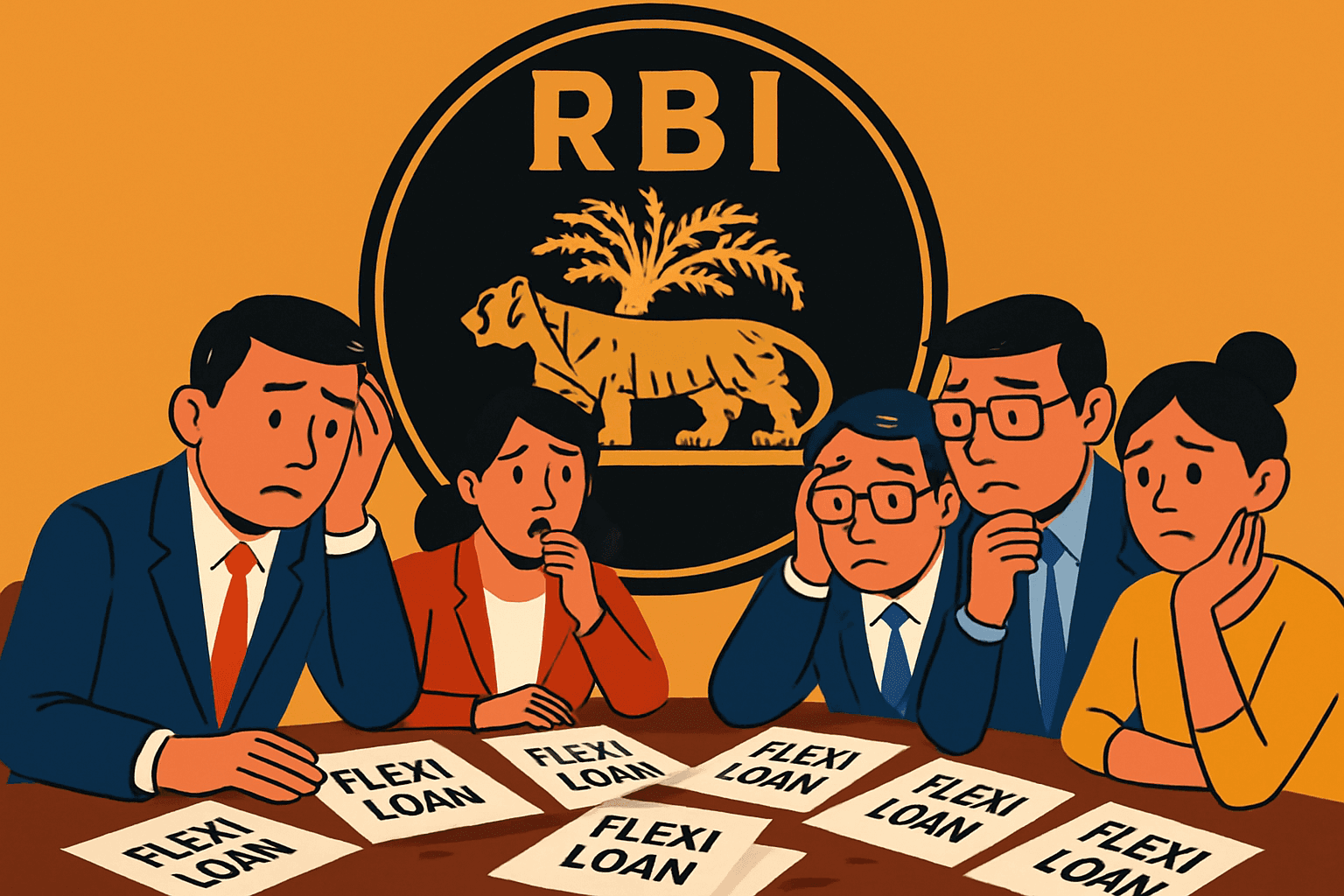
RBI’s Flexi Loan Draft: What’s at Stake for Bajaj Finance?
Careers
Banking & FinTech Jobs, curated daily
Open roles across banks, NBFCs, and fintechs - filter by category, experience, and salary.
2 Minute Summary
The Reserve Bank of India has proposed a draft guideline on Flexi Loans, which could impact lending giants like Bajaj Finance. These loans, known for their flexible repayment options, may face stricter regulations aimed at protecting consumers. While this is beneficial for borrowers, it raises concerns for lenders about profitability and operational shifts. Companies like Bajaj Finance must adapt rapidly to these potential changes or risk losing their competitive edge. Let's dive deeper into the implications of these would-be regulations.
The Reserve Bank of India (RBI) recently floated a draft guideline regarding Flexi Loans, raising eyebrows in the financial sector, especially among prominent players like Bajaj Finance. Flexi Loans, known for their adaptability in repayment schedules, have become a popular choice for consumers looking for flexibility. However, the RBI’s proposition aims to impose stricter regulations to enhance consumer protection, which could shake things up in the lending landscape.
For those unfamiliar, Flexi Loans typically allow borrowers to withdraw and repay funds as needed, akin to how you might dip into a savings account. While this feature has wooed many, it also presents risks, especially if borrowers are not fully aware of the terms. The RBI's move seems to intend to safeguard borrowers from potential pitfalls, such as falling into a debt trap due to fluctuating repayment plans.
Now, what’s at risk for companies like Bajaj Finance? As one of India's most recognizable non-banking financial companies (NBFCs), Bajaj Finance has capitalized on the demand for innovative lending solutions, including Flexi Loans. Stricter regulations might mean a re-evaluation of their loan products. They may have to strip some features to comply, potentially dampening their attractive lending offers. With the financial landscape evolving, they'll need to find a balance between adherence to regulations and maintaining a competitive edge.
Moreover, with consumers becoming increasingly savvy and demanding transparency, Bajaj Finance may need to invest in educating their customers about the new norms and how they affect borrowing. If they do not adapt quickly enough, they might find themselves taking a backseat as more compliant and customer-driven competitors enter the fray. The ability to pivot in response to regulatory changes is crucial—after all, when the RBI speaks, the industry listens.
Why It Matters
Understanding RBI's draft guidelines on Flexi Loans is crucial not just for lenders but also for consumers. The outcome of these regulations can influence borrowing costs, lending practices, and financial literacy in the country. For Bajaj Finance and similar firms, adapting to these changes is key to sustaining business and maintaining customer trust.
Who Benefits
Consumers stand to gain the most from potential RBI regulations, which aim to enhance protections and ensure responsible lending practices. As regulations tighten, customers can expect more transparent information regarding their loans, leading to more informed financial decisions.
Who Is Impacted
Lending companies, especially NBFCs like Bajaj Finance, will have to adapt to new regulations that could alter their current business models. This could affect their profitability, operational strategies, and competitive positioning in the market.
Key Takeaways
- ✓RBI's draft on Flexi Loans seeks to tighten consumer protections.
- ✓Companies like Bajaj Finance may need to adjust their offerings to comply with new regulations.
- ✓Increased transparency and borrower education are essential as the market evolves.
- ✓Navigating these changes quickly will be vital for maintaining competitiveness.