The Evolution of UPI: How India Rewired Money Movement
Careers
Banking & FinTech Jobs, curated daily
Open roles across banks, NBFCs, and fintechs - filter by category, experience, and salary.
2 Minute Summary
UPI went from a niche interbank experiment in 2016 to the backbone of India's daily payments, processing tens of billions of transactions a month and reshaping how the country moves money.
When the National Payments Corporation of India (NPCI) launched UPI in April 2016, it was pitched as a way to let any bank account talk to any other bank account instantly, using nothing more than a mobile number or a simple ID. Few predicted it would eclipse cards, wallets, and cash within a decade.
The design choice that made UPI different from earlier payment rails was interoperability by default. A payment sent from one bank's app could land directly in an account at a completely different bank, in real time, without either bank needing a special bilateral agreement. That single decision is what let hundreds of banks and apps plug into one shared network instead of building isolated walled gardens.
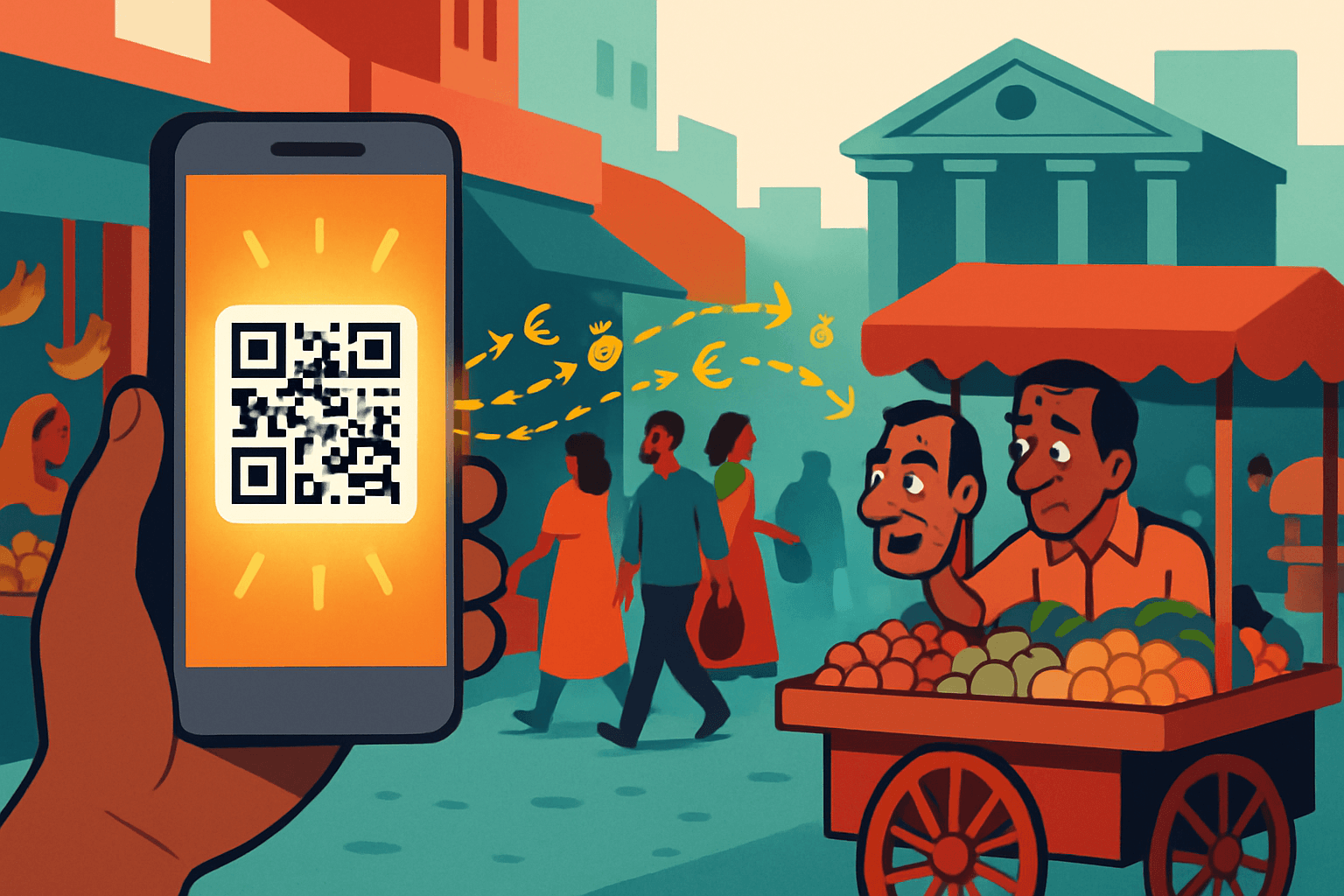
Adoption was slow at first, but demonetisation in late 2016, followed by aggressive push from apps like Google Pay, PhonePe, and Paytm, turned UPI into the default way urban and increasingly rural India pays for everything from groceries to auto-rickshaw rides. QR codes turned even the smallest roadside vendor into a digital payment acceptor overnight.
Today UPI processes more transactions in a single month than most global card networks process in a year, and it does so at close to zero cost to both the consumer and the merchant, funded instead through interchange and government incentives rather than per-transaction fees passed to users.
Why It Matters
UPI proved that public digital infrastructure, built once and opened to everyone, can out-innovate private, closed payment rails when the incentives are aligned. It has become the template other countries now study when designing their own instant payment systems.
Who Benefits
Consumers get free, instant transfers between any two bank accounts. Small merchants get a way to accept digital payments without expensive point-of-sale hardware or per-transaction merchant discount fees.
Who Is Impacted
Card networks and payment wallets lose relevance as UPI absorbs the transaction volume they used to compete for. Cash-heavy informal lenders and money changers also see their role shrink as digital rails reach further into rural India.
Key Takeaways
- ✓UPI processes tens of billions of transactions every month across India.
- ✓Interoperability between any two banks, by default, was the key design choice that drove adoption.
- ✓It has become the reference model other countries now study when building instant payment systems.