Understanding Financial Inclusion: A Key to Empowering Communities
Careers
Banking & FinTech Jobs, curated daily
Open roles across banks, NBFCs, and fintechs - filter by category, experience, and salary.
2 Minute Summary
Financial inclusion is not just a banking buzzword; it’s a powerful movement aiming to provide access to affordable financial services for all, including the underserved. In India, where a significant portion of the population remains unbanked, initiatives to promote financial inclusion are gaining momentum. This article breaks down what financial inclusion means, why it matters, and who benefits from it.
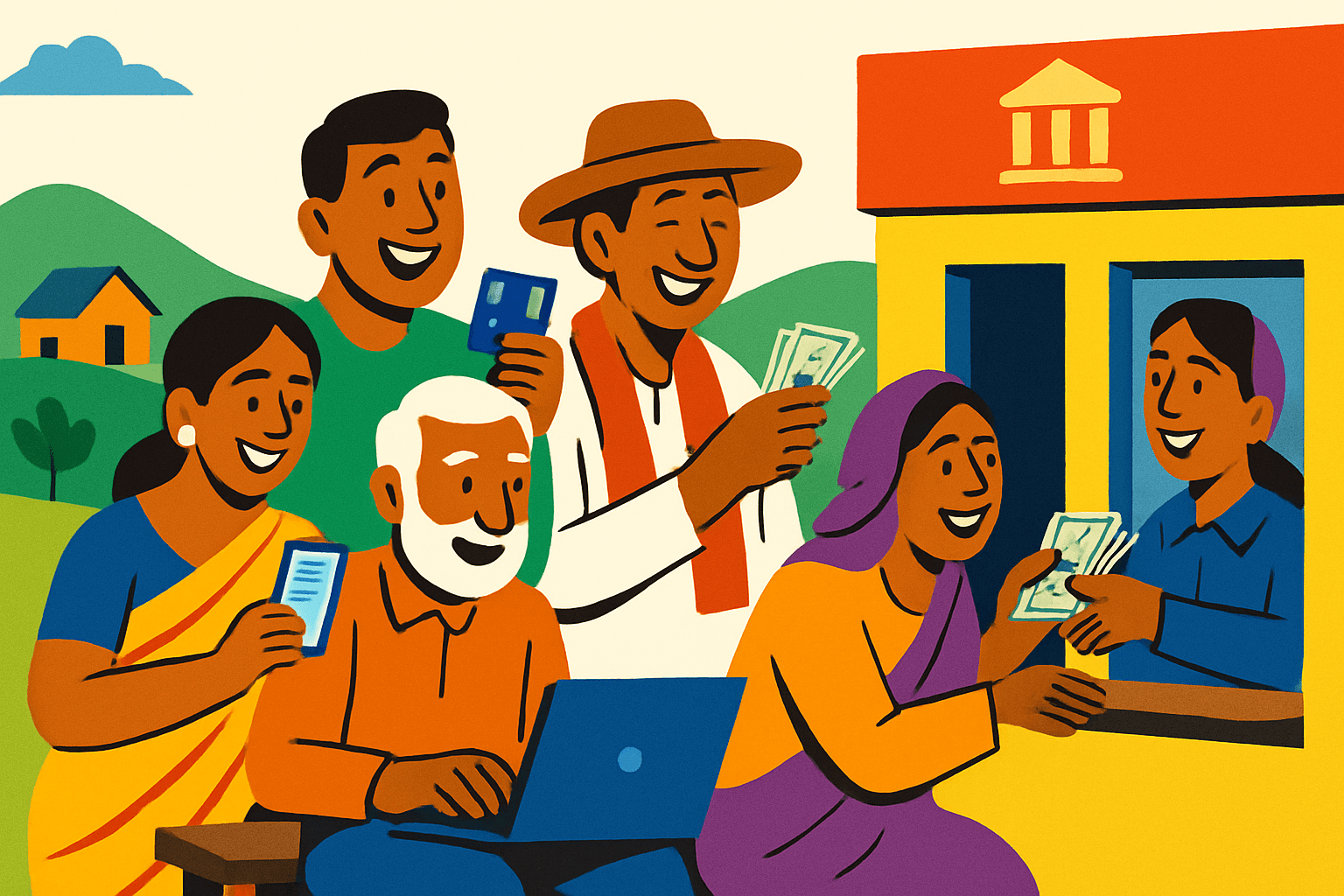
Financial inclusion is a term you might have heard thrown around in banking circles, but what does it really mean? At its core, financial inclusion refers to the efforts made to ensure that all individuals and businesses have access to useful and affordable financial products and services. This includes banking, payment systems, loans, insurance, and other essential services needed to manage money effectively. In a country like India, where a significant proportion of the population still operates outside the formal banking system, understanding this concept is more crucial than ever.
In India, financial inclusion initiatives have been ramping up in recent years. The aim is to bring the unbanked population — those who do not have access to traditional banking services — into the fold. This is crucial not just for economic growth, but for social empowerment as well. Imagine a farmer who has never had a bank account. Without access to credit or savings, he cannot buy seeds in advance or invest in better equipment. With financial services, he can secure a loan to cultivate his land better, which in turn can lead to increased income and improved living conditions for his family.
But the benefits of financial inclusion extend beyond just individuals. When more people can access banking services, it contributes to the overall economy. Increased access to banking means more saving and investing, which can stimulate local economies. This, in turn, can create more jobs and further cycle of improvement throughout communities. So, when we talk about financial inclusion, we’re not just talking about numbers and percentages; we’re discussing the very fabric of community development and economic stability.
Challenges remain, of course. Affordability, accessibility, and education about financial services are critical hurdles that need addressing. However, central banks and governments are making strides through various schemes like Jan Dhan Yojana, which aims to provide every household with a bank account. Tech innovations also play a significant role; with mobile banking apps and digital wallets transforming how people manage their finances, especially in rural areas.
In summary, financial inclusion is a vital component of socio-economic development. As more individuals gain access to financial services, not only does their standard of living improve, but the communities they belong to also thrive. The future is looking bright, but the journey towards complete financial inclusivity is a marathon, not a sprint.
Why It Matters
Financial inclusion is a catalyst for economic growth and social development. By ensuring everyone has access to financial resources, communities can become more resilient, businesses can thrive, and families can improve their quality of life.
Who Benefits
The primary beneficiaries of financial inclusion are low-income individuals, small business owners, and rural communities. By being included in the financial system, they can access credit, save money, and manage risks more effectively.
Who Is Impacted
A lack of financial inclusion impacts millions of unbanked individuals and businesses, stunting their growth and economic potential. It also hinders overall economic development in society.
Key Takeaways
- ✓Financial inclusion expands access to financial services for everyone.
- ✓It boosts economic growth and empowers communities.
- ✓Challenges like affordability and education must be addressed for greater inclusivity.