UPI Fraud Explained: The Scams Behind the Convenience
Careers
Banking & FinTech Jobs, curated daily
Open roles across banks, NBFCs, and fintechs - filter by category, experience, and salary.
2 Minute Summary
Most UPI fraud isn't a system hack at all - it's social engineering that tricks users into authorizing their own losses, usually by disguising a payment request as something else entirely.
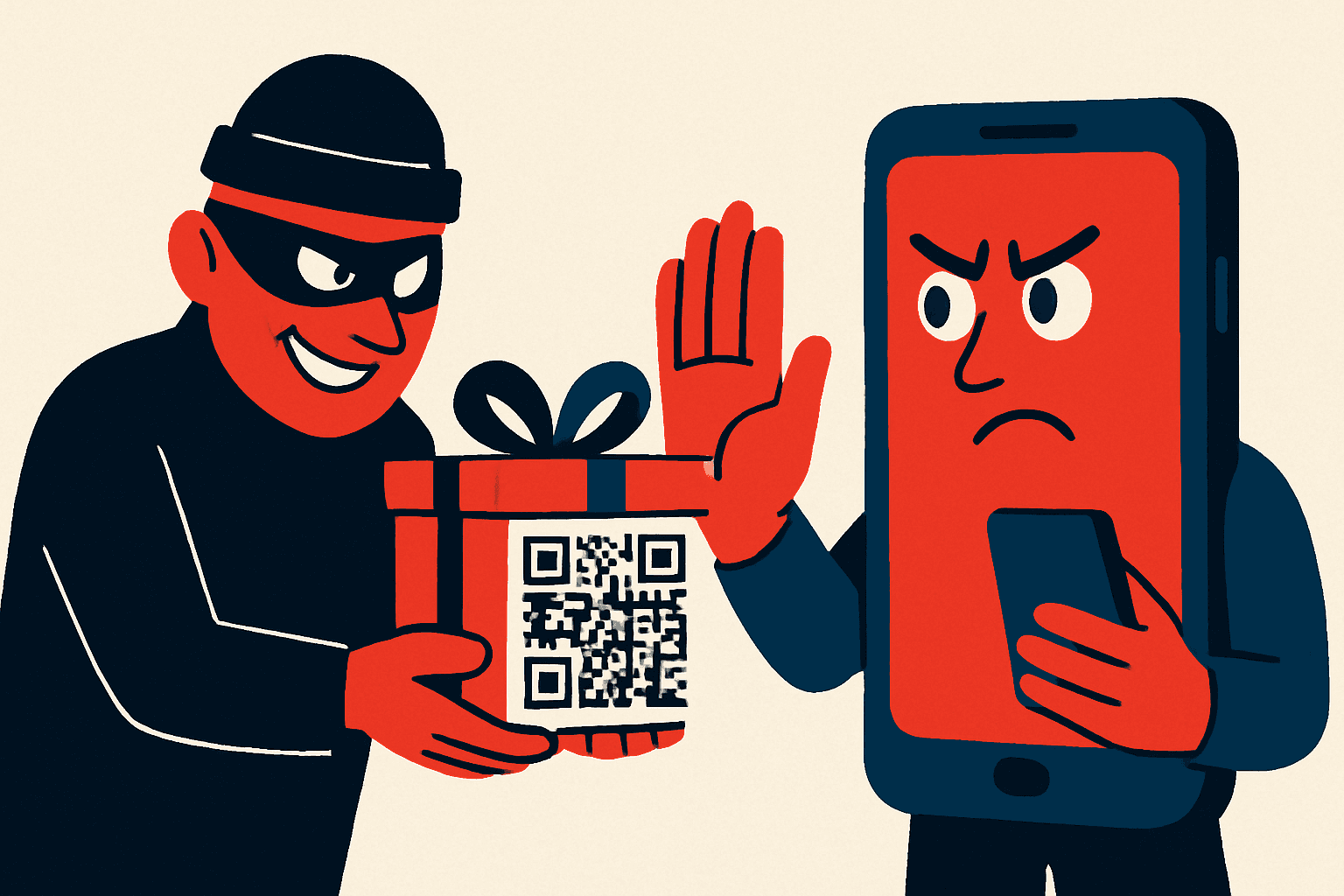
The most common UPI scam flips the basic mechanic of the app: scanning a QR code or accepting a 'collect request' always sends money, never receives it - but scammers disguise these as refunds, cashback, or prize claims to trick victims into approving a payment out of their own account.
Fake customer care numbers, often surfaced through search engines or social media rather than the bank's actual channels, walk victims through 'verification steps' that are really just guided instructions to authorize a fraudulent transaction themselves.
Screen-sharing apps, originally built for legitimate remote tech support, are frequently abused by scammers who convince victims to install them, then watch as the victim enters their UPI PIN, capturing it in real time.
Because UPI transactions are authorized by the customer's own PIN, banks treat them as legitimate at the moment of approval - recovery after the fact is difficult, which is why prevention through awareness matters more here than in most other fraud categories.
Why It Matters
Trust in digital payments depends entirely on users recognizing these patterns, since the technology itself is rarely the weak point.
Who Benefits
Banks and NPCI investing in awareness campaigns and real-time fraud pattern detection reduce successful scam attempts across the network.
Who Is Impacted
First-time digital payment users, often older or newly onboarded to smartphones, are disproportionately targeted by these scams.
Key Takeaways
- ✓Scanning a QR code or accepting a collect request always sends money, never receives it.
- ✓Never install screen-sharing apps or share your UPI PIN with anyone claiming to be support staff.
- ✓Report fraud immediately via the national 1930 cybercrime helpline to improve recovery chances.